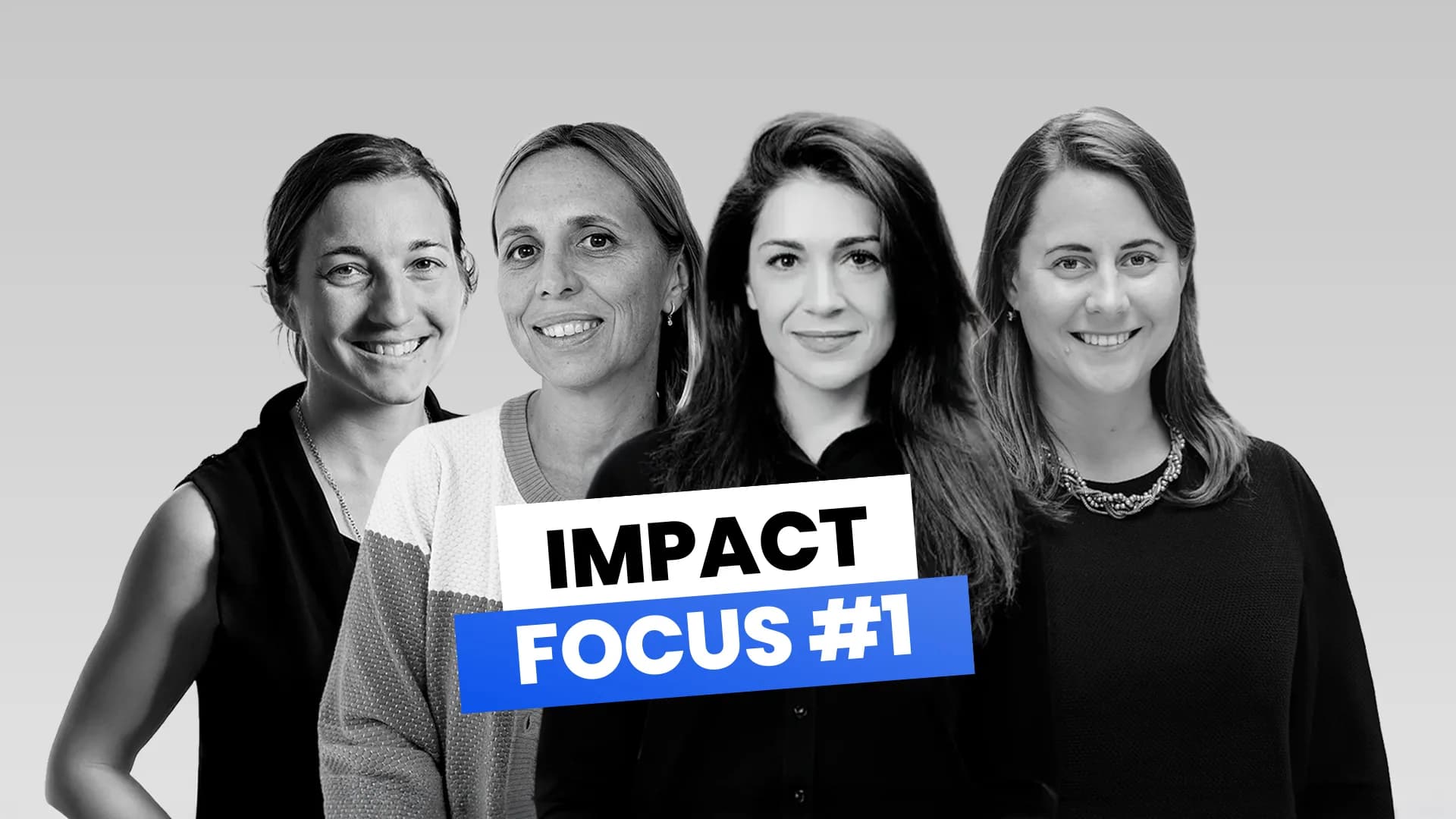
Four common beliefs about education
Children need to learn to read, write and reason. They also need to believe in their abilities, discover careers, find the right courses and build the skills they will need in a changing economy.
These challenges are connected. A child who loses confidence may slowly disengage from school. A student with learning difficulties and no support may fall behind. A young person who does not know which jobs exist may limit their choices. A graduate without a network may struggle to find a first job.
Many people still believe that success depends on talent, that learning is only about passing on knowledge, that career choices depend on grades or that a degree is enough.
Belief 1: "Success at school depends on talent"
Verdict: False.
The facts
In 2024, 9.3% of young people aged 18 to 24 in the EU left education and training early, according to Eurostat. The EU target is less than 9% by 2030.
Confidence, early support and teaching methods all shape success at school. Difficulties that are not identified early can have a lasting effect.
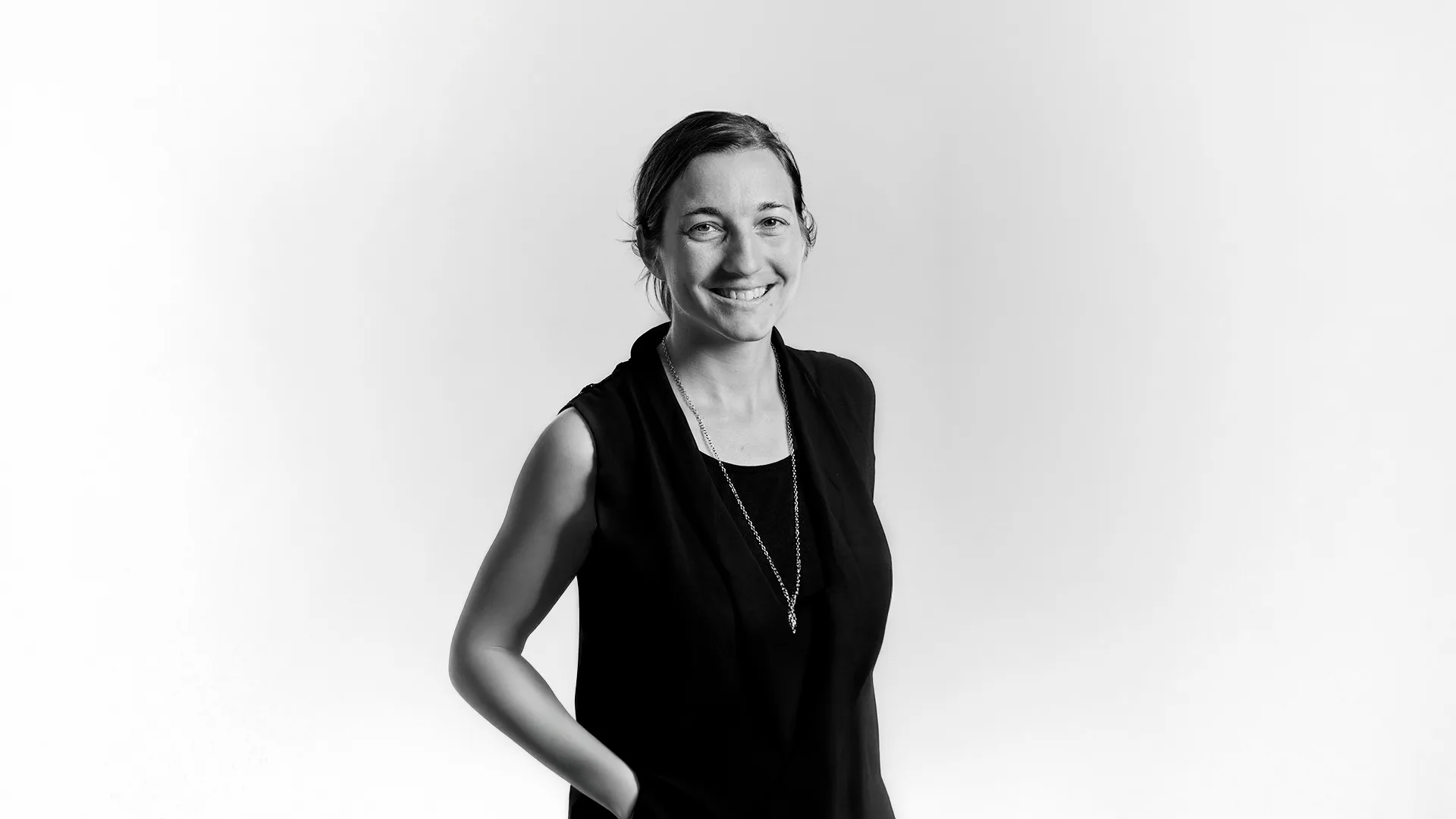
Build confidence from an early age
In France, Coup de Pouce has worked against educational inequalities for 40 years. With education researchers, it runs after-school programmes that focus on children's relationship with learning: enjoyment, meaning and confidence in their ability to succeed. Children work in small groups and use play to try new things without fear of failure. According to parents and teachers surveyed by Coup de Pouce, 96% of participating children gained confidence.
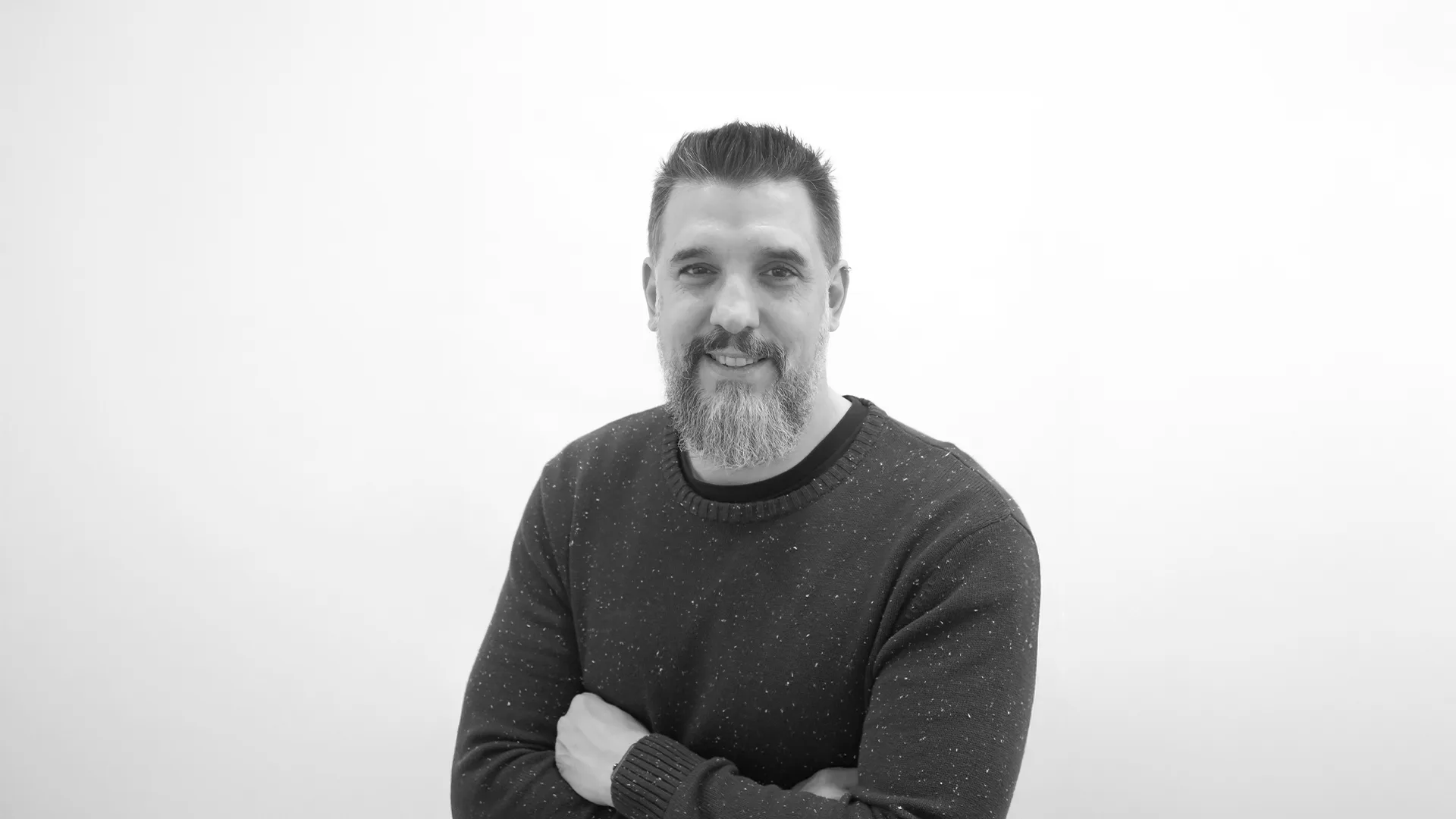
Detect learning difficulties earlier
In Spain, Neurekalab, a spin-off from the University of Barcelona and the University of Vic, uses artificial intelligence and games to identify learning difficulties and high abilities. Its tools can predict some difficulties in the first weeks of the school year. Neurekalab says its interventions can triple the performance of students with dyslexia or dyscalculia within four months. The aim is to give teachers better information, not to replace them.
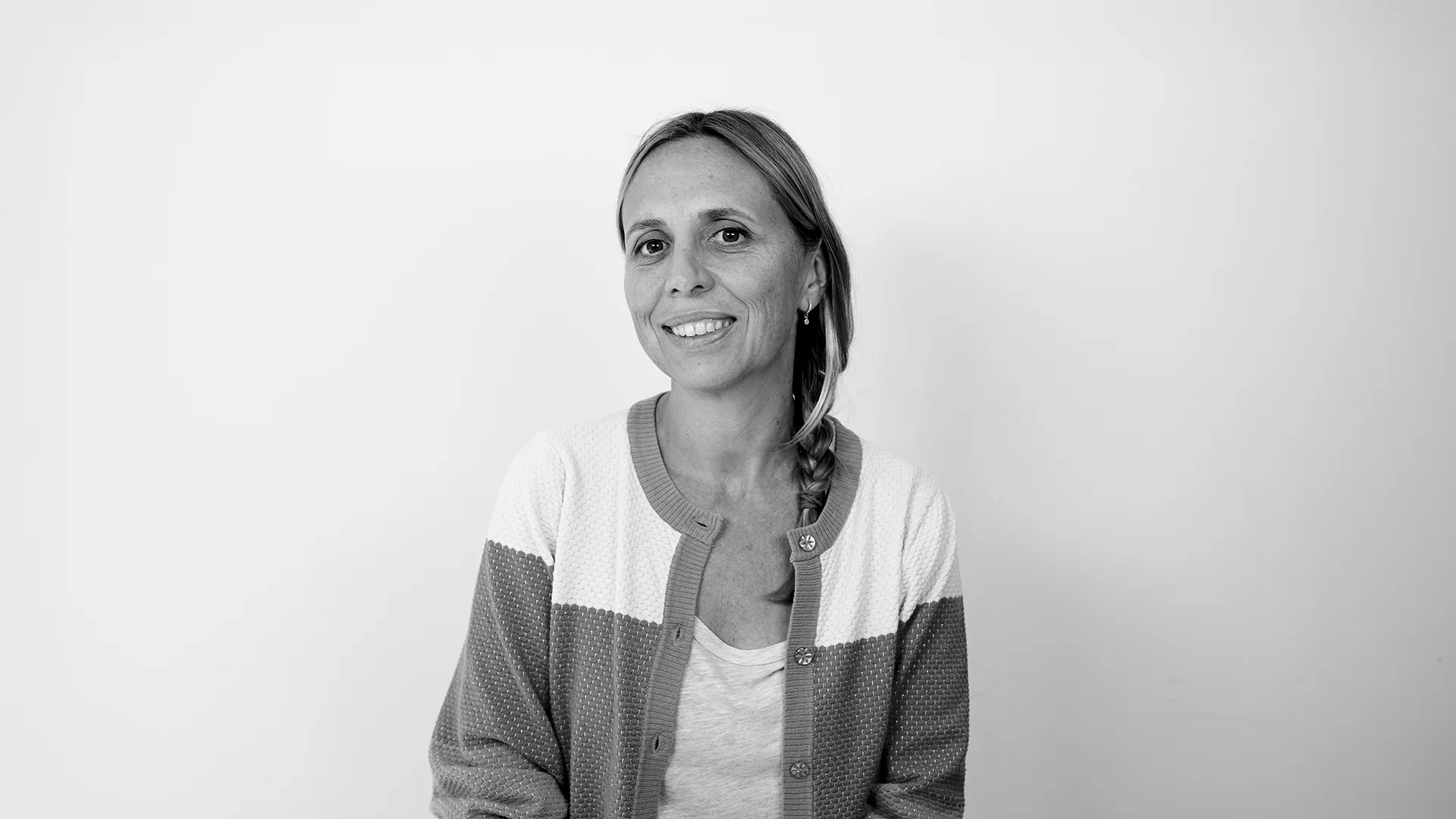
Bring research into the classroom
In Spain, Tekman develops teaching methods and resources that help teachers adapt their practices. For product director Lea del Pozo, advances in educational research must reach teachers and students. Tekman uses games, practical activities and emotions to increase engagement. It estimates that up to 13% of students in a class may need additional support at some point.
Elsewhere on impact.info
Do Well Do Good (France). Hind Guedira explains why every young person should be helped to excel.
Why Help All Young People Excel?Culture Prioritaire (France). Christine Genin explains why social determinism must be tackled.
Why Tackle Social Determinism?Educo (Spain). Guiomar Todó explains why education must be transformative.
Why Education Must Be Transformative?
Belief 2: "Learning is only about passing on knowledge"
Verdict: False.
The facts
In 2023, only 56% of people aged 16 to 74 in the EU had at least basic digital skills, according to Eurostat. The EU target is 80% by 2030.
Young people also need skills that knowledge alone does not give: creativity, problem solving, cooperation and the ability to judge information.
Make digital learning accessible
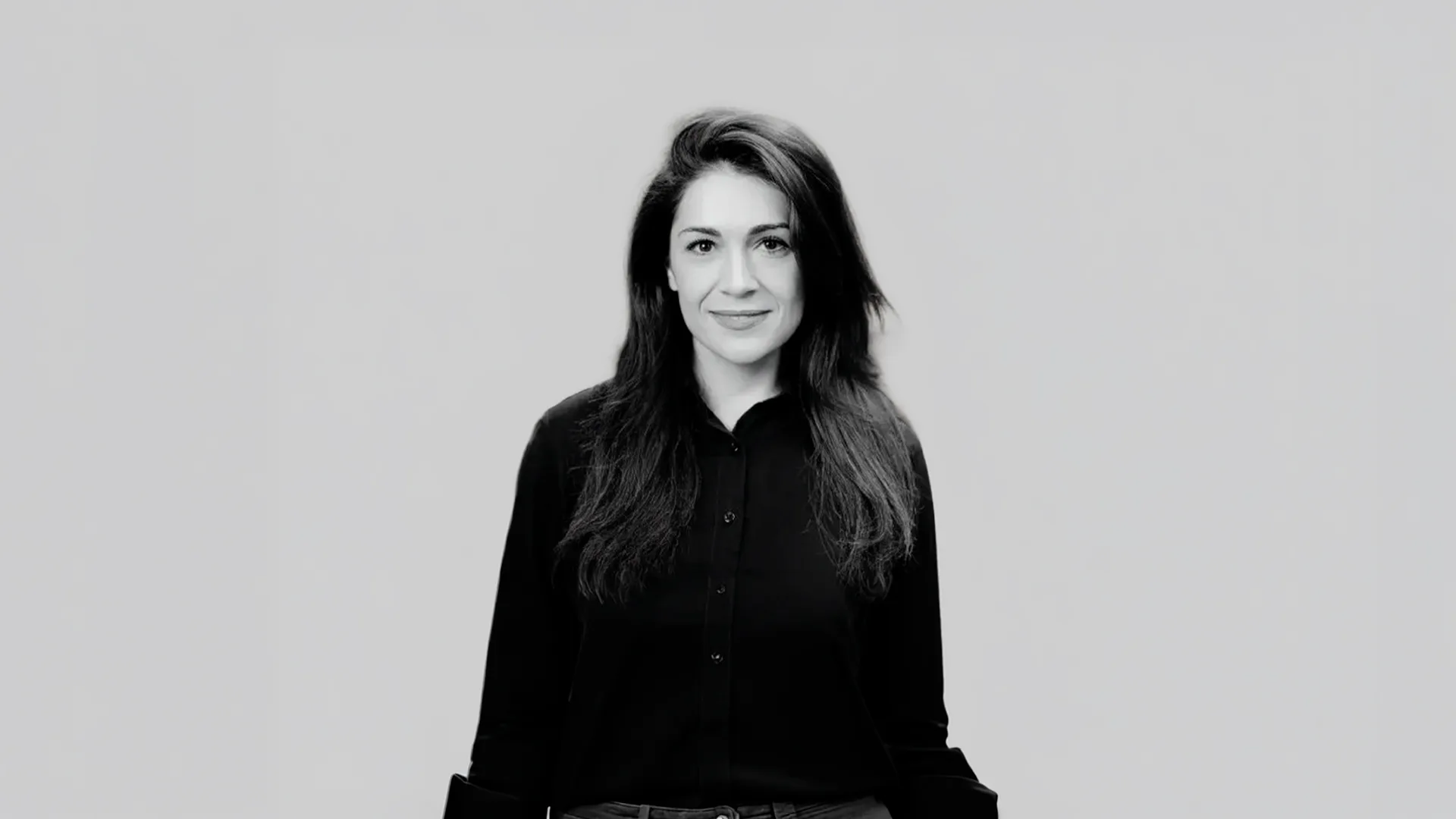
In Germany, Kiron Digital develops digital learning platforms, in particular for people with a migration background. It combines online learning with support for companies. The aim is not only to teach a technical skill, but also to help people who face barriers understand the opportunities open to them and use them.
Learn by making
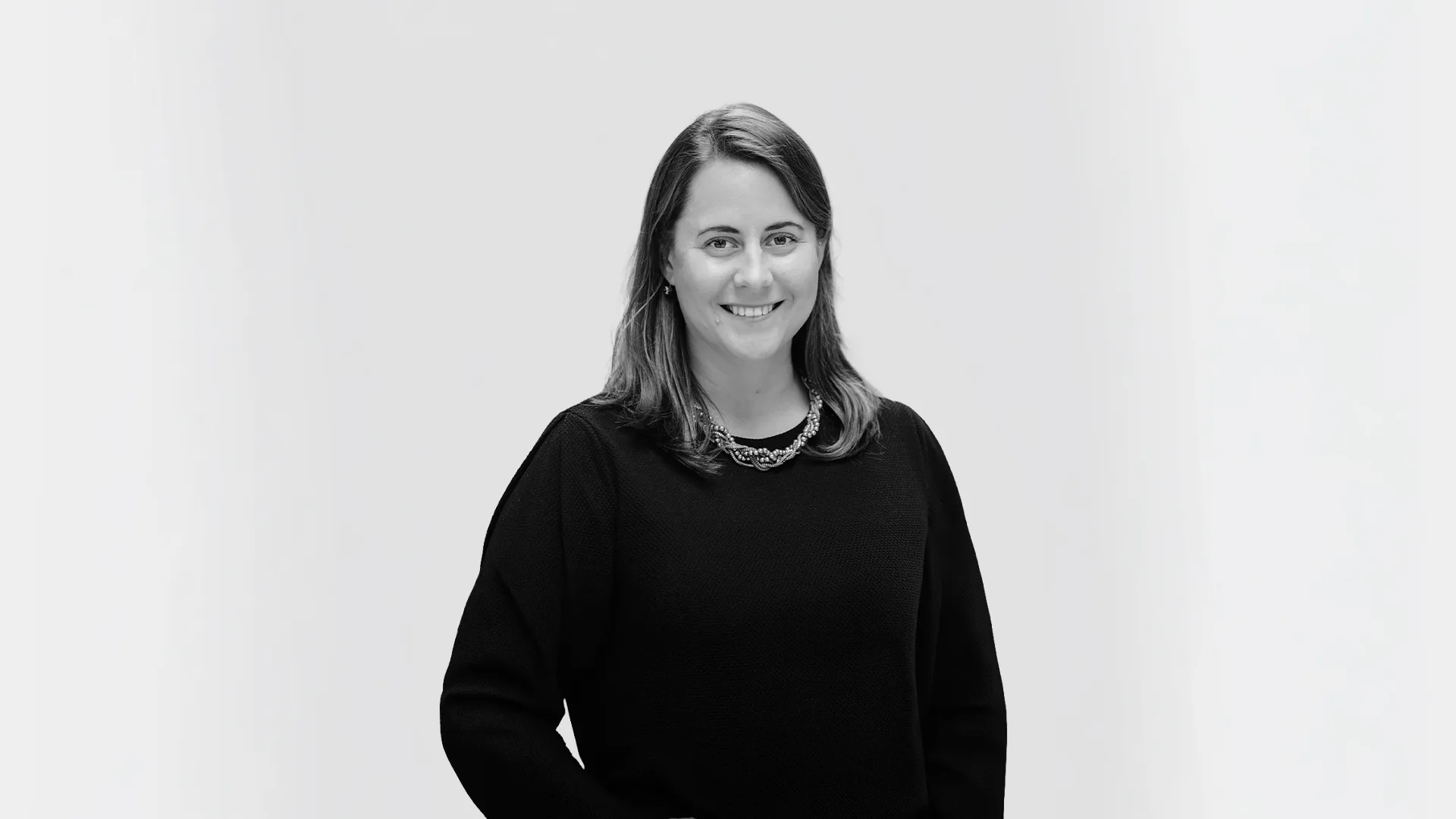
In Germany, Junge Tüftler uses "maker learning". Children and teenagers experiment, build things and develop their own projects. They become active participants in their learning. This approach develops creativity, problem solving, cooperation and an understanding of technology, skills they will need in careers where they will keep learning.
Teach young people to judge information
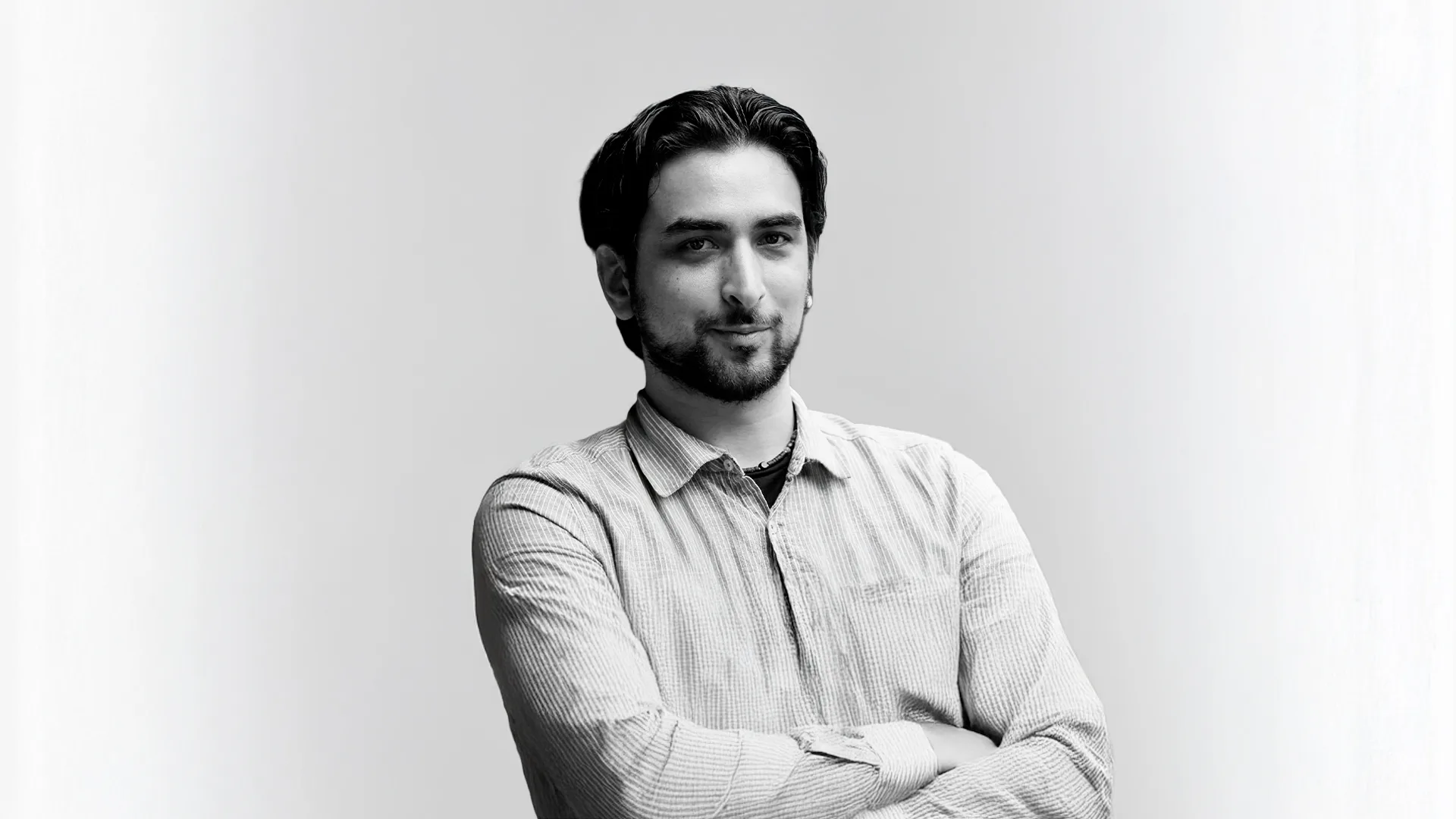
In the United Kingdom, Shout Out UK, founded by Matteo Bergamini, works on media literacy and democratic education. It responds to disinformation, radicalisation and conspiracy theories. Young people learn to analyse information, understand how manipulation works and take part in democratic life. For Shout Out UK, this education must start at school.
Elsewhere on impact.info
Orchestre à l'école (France). Marianne Blayau explains how music can transform learning at school.
Why Music Can Transform Learning at School?O'TECH (France). Bruno Batailly explains the value of learning by doing.
Why "learning by doing"?ScholaVie (France). Laure Reynaud explains why psychosocial skills should be developed.
Why Develop Psychosocial Skills?
Belief 3: "Career choices depend on grades"
Verdict: Mostly false.
The facts
In 2024, 44.2% of people aged 25 to 34 in the EU had a tertiary degree, according to Eurostat. The EU target is 45% by 2030.
Grades matter. But choices also depend on information, networks and role models. A young person whose parents know many professionals can easily find an internship. Others do not have this network, and some rule themselves out of courses they could succeed in.
Give every young person access to professional networks
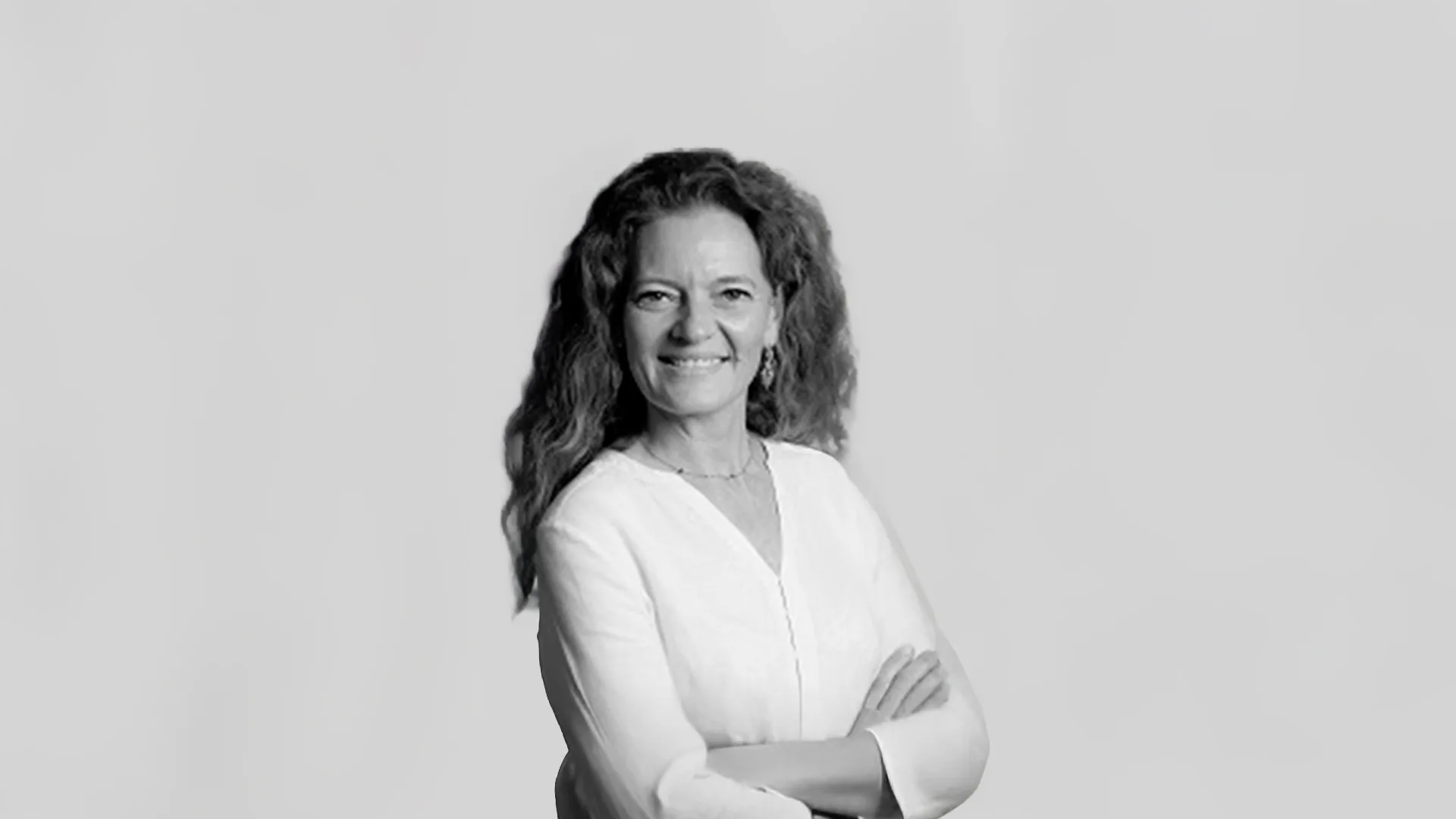
In France, JobIRL connects young people with professionals. It has 180,000 active members and runs programmes in priority neighbourhoods and rural areas. Young people can discover jobs, talk to professionals and look for internships or apprenticeships. In the schools it supports, 80% of students say they discovered jobs they did not know, and 93% feel more motivated to work on their career plans.
Open the door to top universities
In the United Kingdom, Zero Gravity helps young people from less advantaged backgrounds get into the most selective universities. The issue goes beyond tuition fees: some young people do not have the same information, networks or role models. Professionals and students mentor them on their choices and applications, so that they do not rule out opportunities they never imagined were within reach.
Elsewhere on impact.info
Capital Filles (France). Laurence Beldowski explains why girls should be helped to choose their future.
Why Empower Girls to Better Choose Their Future?Collectif Mentorat (France). Nicolas Viennot explains how mentoring can bring society together.
Why Mentoring Has the Power to Reconcile SocietyR2E (France). Julien Fernandez explains the role of teachers in guiding young people.
Why Teachers Play a Key Role in Guiding Young People
Belief 4: "A degree is enough to find your place"
Verdict: False.
The facts
In 2023, 11.2% of young people aged 15 to 29 in the EU were neither in employment nor in education or training, according to Eurostat. The EU target is 9% by 2030.
Many students graduate with theoretical knowledge but little practical experience. Others have skills and ideas but lack money, workspace or contacts.
Connect universities with real challenges
In Spain, U4Impact connects companies and students so that final undergraduate or master's projects respond to real challenges faced by organisations. Students gain a first professional experience. Companies get an outside view and meet new talent. U4Impact has worked with more than 500 students, 200 companies and 60 universities. According to the organisation, participating students have an employability rate 300% higher six months after graduating.
Turn potential into a business
In the United Kingdom, Launch It supports young entrepreneurs from disadvantaged backgrounds. Starting a business needs more than a good idea: affordable workspace, specialist advice and a network. Launch It combines low-cost workspace with tailored support. According to Launch It, 66% of the businesses it supports are still operating after five years, compared with an average of 42% in the UK.
Elsewhere on impact.info
Les Idéateurs (France). Kalya Sampo explains how entrepreneurship can promote equal opportunities.
How Entrepreneurship Can Promote Equal OpportunitiesUnis-Cité (France). Raphaëlle Blache explains how civic service prepares young people for working life.
Why Civic Service Ensures a Professional Future?Ashoka (Spain). Ana Dubois explains why looking for entrepreneurs outside the usual circles can change society.
Why Seeking Entrepreneurs Outside of Usual Circuits Can Be a Tool for Social Transformation?
What they have in common
The four beliefs share one point: they see education as a matter of individual merit. The 10 initiatives in this dossier show that confidence, support, information and networks also make the difference.
They act early, to build confidence and detect difficulties before they grow.
They change how young people learn: by making, experimenting and judging information.
They open doors that grades alone do not open: professional networks, top universities, first jobs and businesses.
These initiatives come from France, Spain, Germany and the United Kingdom. They respond to challenges shared across Europe. Many more can be discovered on impact.info.
Where a young person starts in life should not decide where they can go.