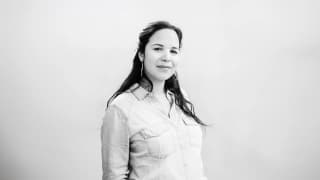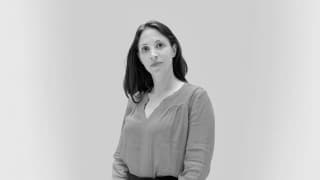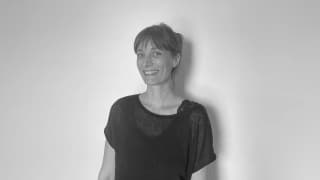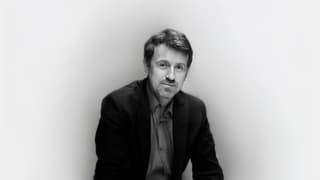

Across Europe, entrepreneurs, psychologists, engineers and employers are testing new ways to answer these questions.
Work takes up a large part of our lives. It can provide income, purpose and social connections. But it can also affect people's health. Stress, burnout, back pain, long commutes and long hours affect many workers across Europe.
Mental health has become a major issue for employers. In France, about one employee in two experienced psychological distress in the past twelve months, according to figures cited by PepPsy. Physical health is also at risk. Three workers in five in Europe say they suffer from a musculoskeletal disorder, according to Japet Médical.
At the same time, many jobs remain physically demanding. Many people also spend long hours sitting. Back pain is the first cause of sick leave in France, according to Percko. Health at work is therefore not only a personal issue. It is also an economic and social issue.
The challenge is not only to repair health problems after they appear. It is also to prevent them. This means detecting risks early, adapting workplaces and tools, and creating organisations that protect the people who work in them.
Here are twelve approaches to protect and improve health at work.
1. Recognise burnout before it becomes a serious problem
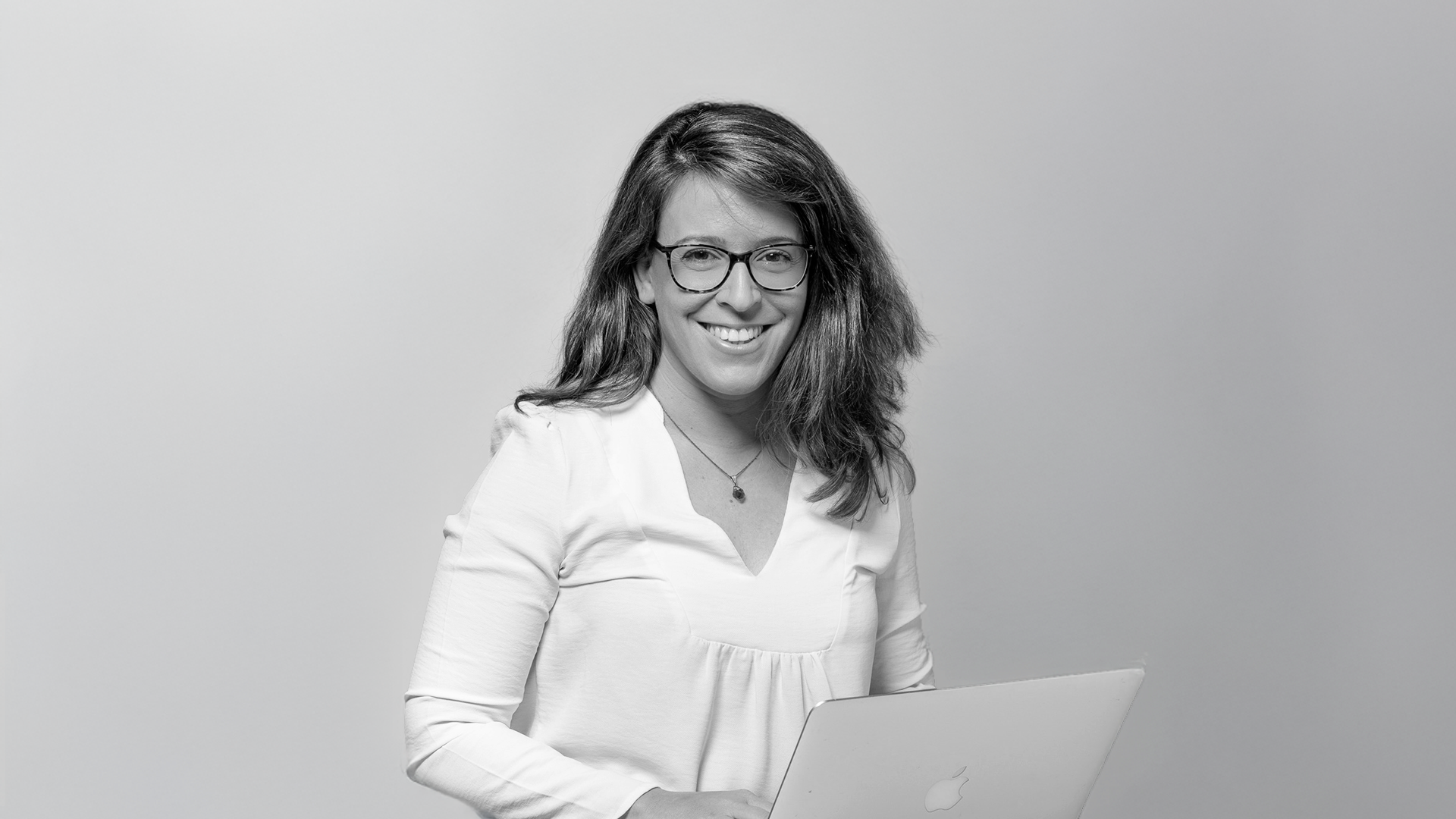
Mar Cabra is the executive director of The Self Investigation. The foundation is based in the Netherlands and works around the world to promote a healthier work culture.
In 2017, Cabra won a Pulitzer Prize as part of the Panama Papers investigation. At the same time, she was exhausted and experienced burnout. She did not have the words to describe what was happening to her, and neither did her managers.
Since 2020, The Self Investigation has supported more than 12,000 professionals and worked with large media organisations such as The Guardian. In line with World Health Organization recommendations, it starts by training managers. They learn to identify warning signs in themselves and in their teams.
Cabra also recommends simple habits, such as taking regular breaks during the day. Her message is clear: "You are more important than your work."
Key idea: Burnout is not a normal part of work. Training managers to detect warning signs early can help prevent serious mental health problems.
2. Offer support before people ask for help
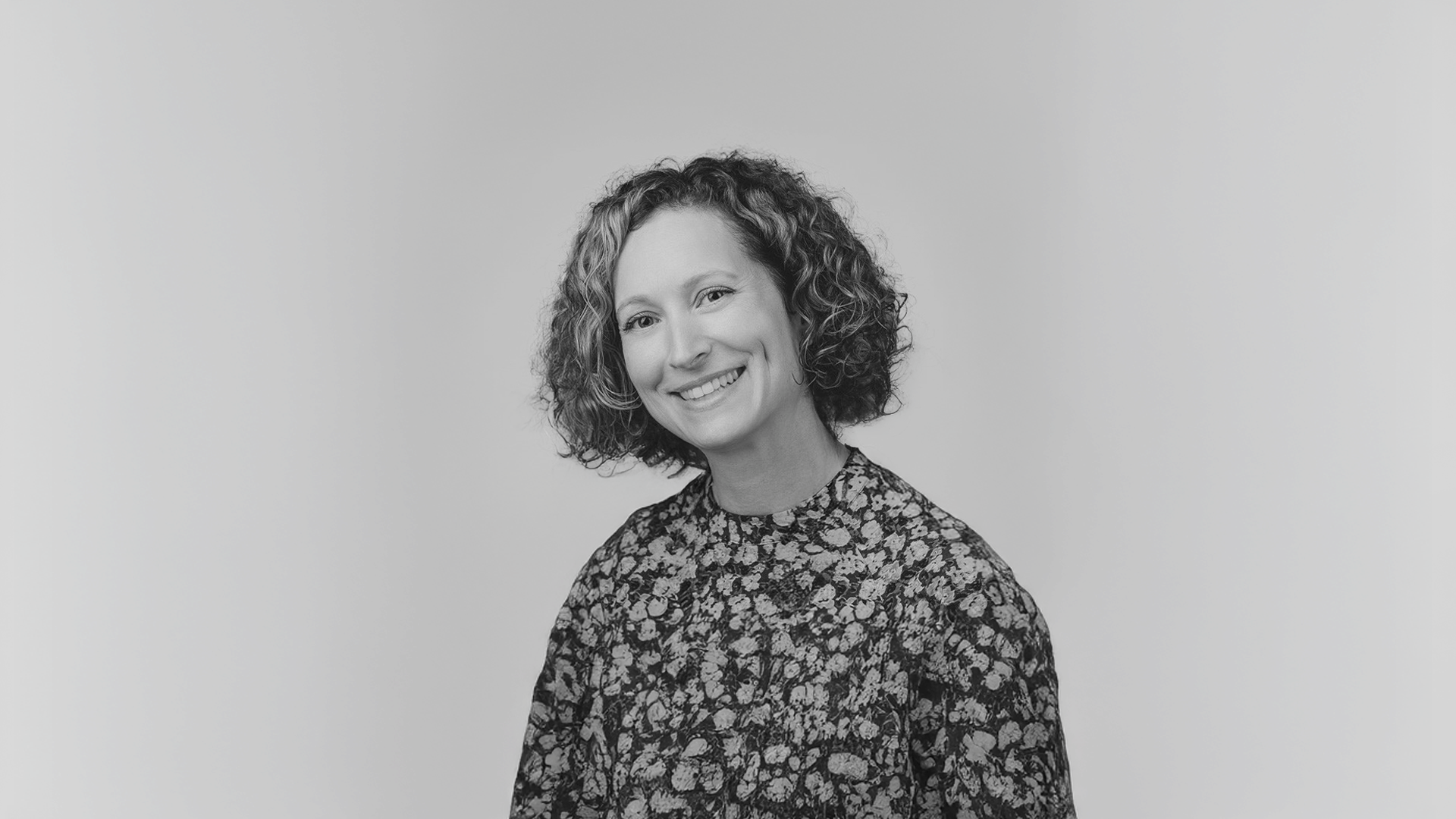
Anwen Cooper is the co-founder and mission director of Thrivall in the United Kingdom. The company provides mental health support to employees throughout the year.
According to Cooper, two people in ten experience mental health difficulties. Many do not ask for help because of stigma or because they do not know they could benefit from support.
Thrivall connects employees with qualified counsellors who are also coaches. These "personal check-in sessions" combine counselling and coaching. They are not a medical treatment. The company measures results with its own survey on engagement and wellbeing, which runs throughout the programme.
Cooper cites research showing that investment in good mental health can increase productivity by up to 12%. She wants companies to include people, and not only the planet, in their idea of sustainability.
Key idea: Regular and proactive support can reach employees who would not ask for help on their own.
3. Diagnose psychosocial risks as a team
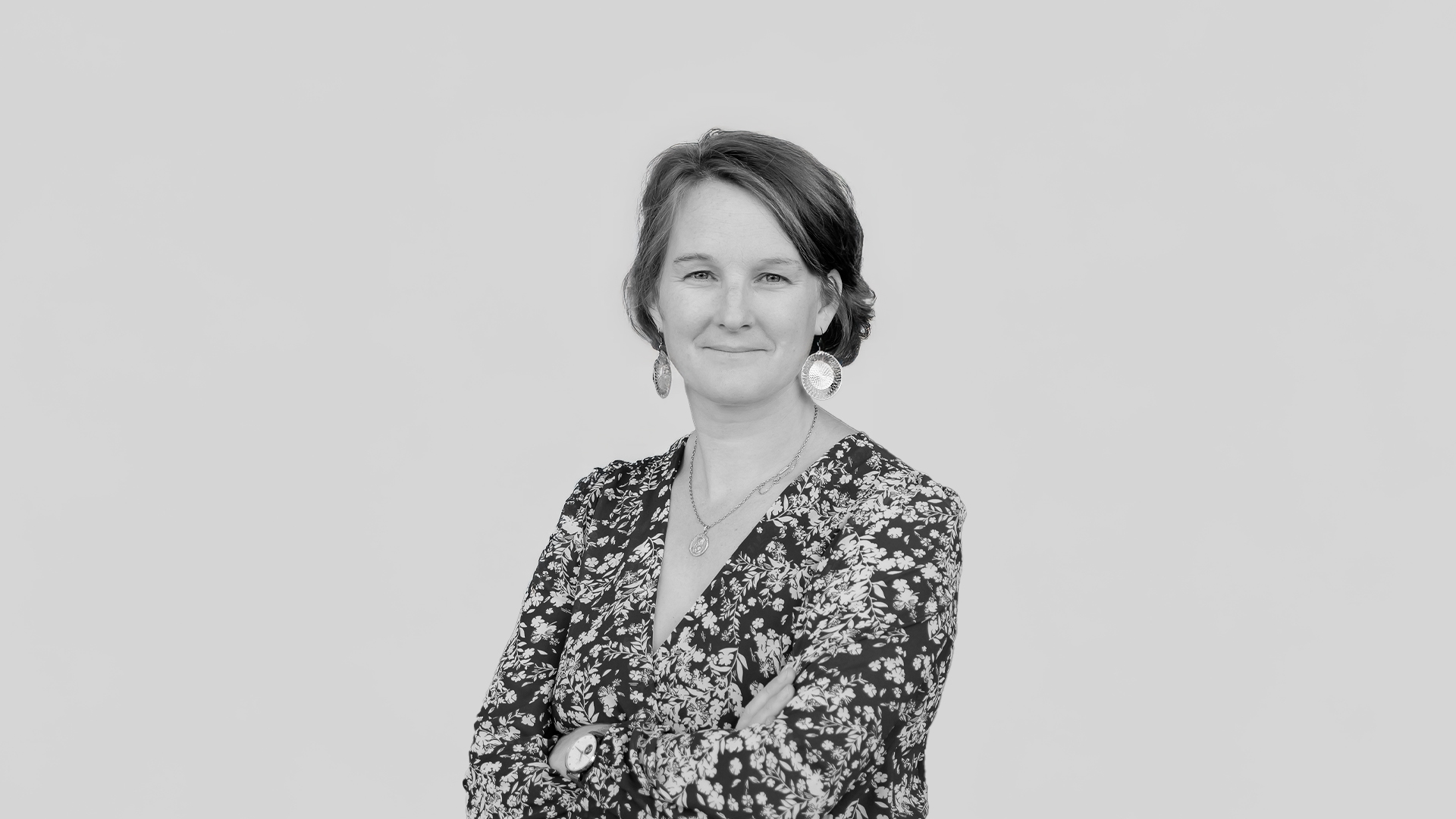
Juliette Lachenal is a psychologist and the CEO of PepPsy, based in Mayenne in western France. The company helps organisations improve their social performance and reduce absenteeism and staff turnover.
In France, the Labour Code requires employers to ensure safety and protect the physical and mental health of their employees. Lachenal believes that change must start with the group, not only with the individual.
PepPsy works with management, human resources and staff representatives. It uses a collective workshop called the "social performance fresco" to identify psychosocial risks, such as stress or harassment. The organisation then builds a concrete action plan.
The approach has two complementary goals: reduce risk factors and increase protective factors.
Key idea: A collective diagnosis helps organisations understand the causes of stress and act on them step by step.
4. Train leaders to create a healthy work environment
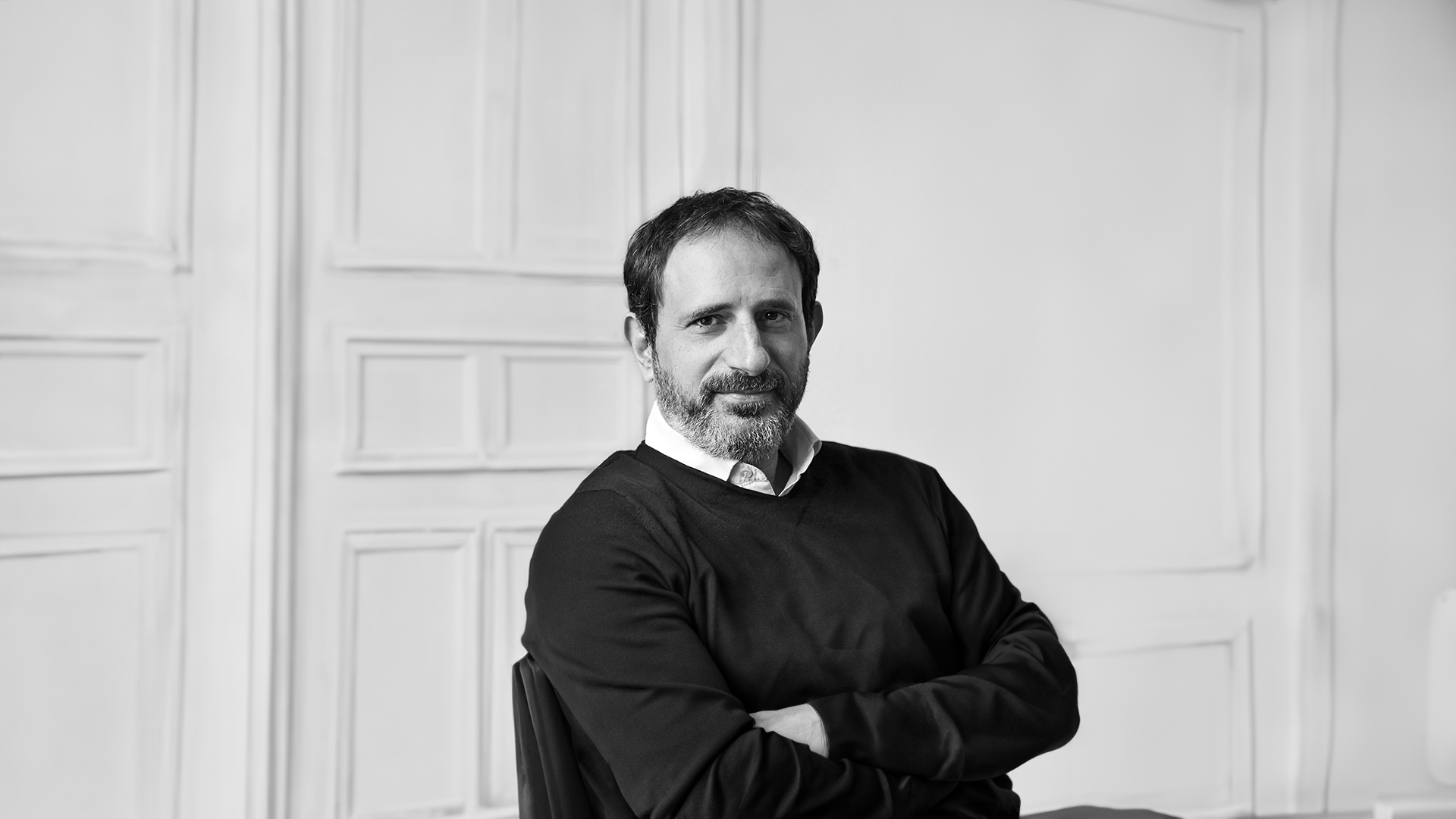
Nicolas Magnant is the co-founder of Alterhego, a French human resources consultancy. It specialises in preventing psychosocial risks and improving quality of life at work.
His team has 20 people, most of them clinical or occupational psychologists. They train managers, leaders and employees who want to create or restore a healthy and safe working environment.
According to Magnant, the most common problem in companies is distress that is not taken seriously enough. Growing pressure for productivity over the past ten years has increased the mental load on workers.
For Magnant, a leader should think about employee wellbeing as much as about growth and profit.
Key idea: Managers and leaders play a central role in preventing psychological risks at work.
5. Treat back pain as a workplace issue
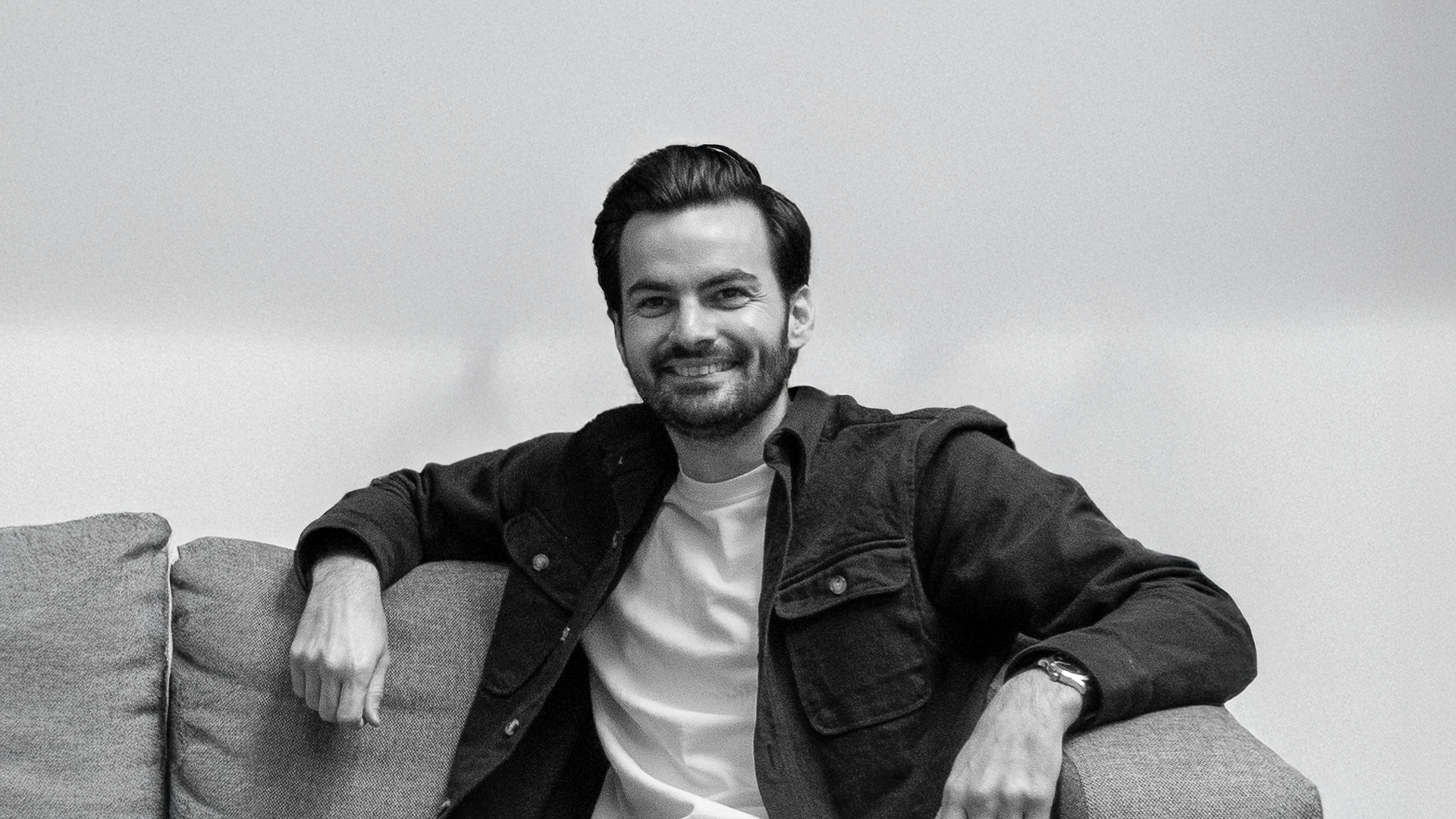
Quentin Perraudeau is the co-founder and director of Percko in France. The company creates simple solutions to fight back pain, for individuals and for companies.
According to Perraudeau, back pain affects eight people in ten during their lives. In France, it is the first cause of sick leave and the first reason for visits to a general practitioner. Long hours sitting and poor posture can make the problem worse.
For companies, Percko offers a vest that helps workers stand straight and reduces fatigue, as well as ergonomic office chairs. It has also developed an exoskeleton that reduces the load on the lower back by 46% when carrying loads. It is used in logistics, construction and warehouses.
Companies can buy these solutions for their employees, and some health insurers help finance them. For Perraudeau, ergonomic tools must be easy to use. If they are too complex, people do not use them.
Key idea: Back pain is a major cause of sick leave. Simple tools that people actually use can help prevent it, in offices as well as in physical jobs.

6. Protect the back with tested solutions
Amélie Blondeaux is the co-founder and CEO of Japet Médical in France. The company develops solutions to fight musculoskeletal disorders and protect the health of workers.
These disorders are a major issue. According to Blondeaux, three workers in five in Europe say they suffer from one. They affect many jobs that involve difficult postures, carrying loads or repeated movements.
Japet develops exoskeletons that assist movement and relieve the back. According to the company, clinical studies show up to 40% decompression of the spine.
Blondeaux believes the technology also changes how companies think. It raises awareness of the need to care for employees and to create a healthy work environment. For her, maintaining quality of life is part of the responsibility of the employer.
Key idea: Physical health at work needs tools tested with evidence and a culture of care inside the company.
7. Make physical activity part of working life
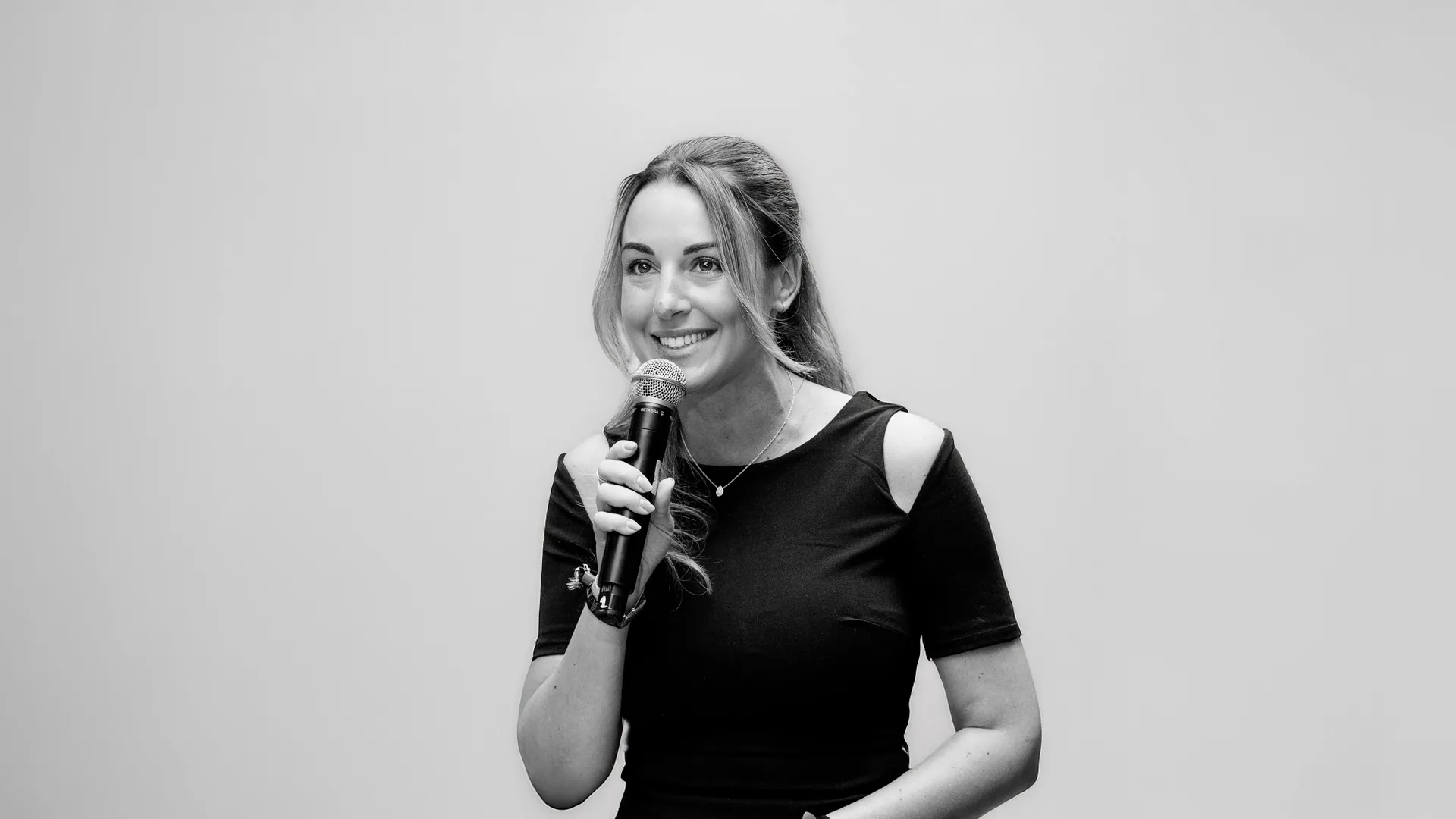
Jennifer Sitruk is the executive director for France and Belgium at Egym Wellpass. The company gives employees access to sport and physical activity, with a subscription partly paid by the employer.
The system works in a similar way to meal vouchers. Employees can use many gyms and activities, such as football, climbing or yoga, near their home or their workplace.
The main goal is prevention. According to Sitruk, 40% of the people who joined did not practise any sport before. The workplace helps remove two important barriers: cost and motivation.
For employers, sport can help reduce absenteeism, increase productivity and strengthen team cohesion. Sitruk also sees a responsibility for companies, because people spend many hours sitting at work.
Key idea: Employers can help fight a sedentary lifestyle by making physical activity easier and more affordable.
8. Turn the commute into a healthy moment
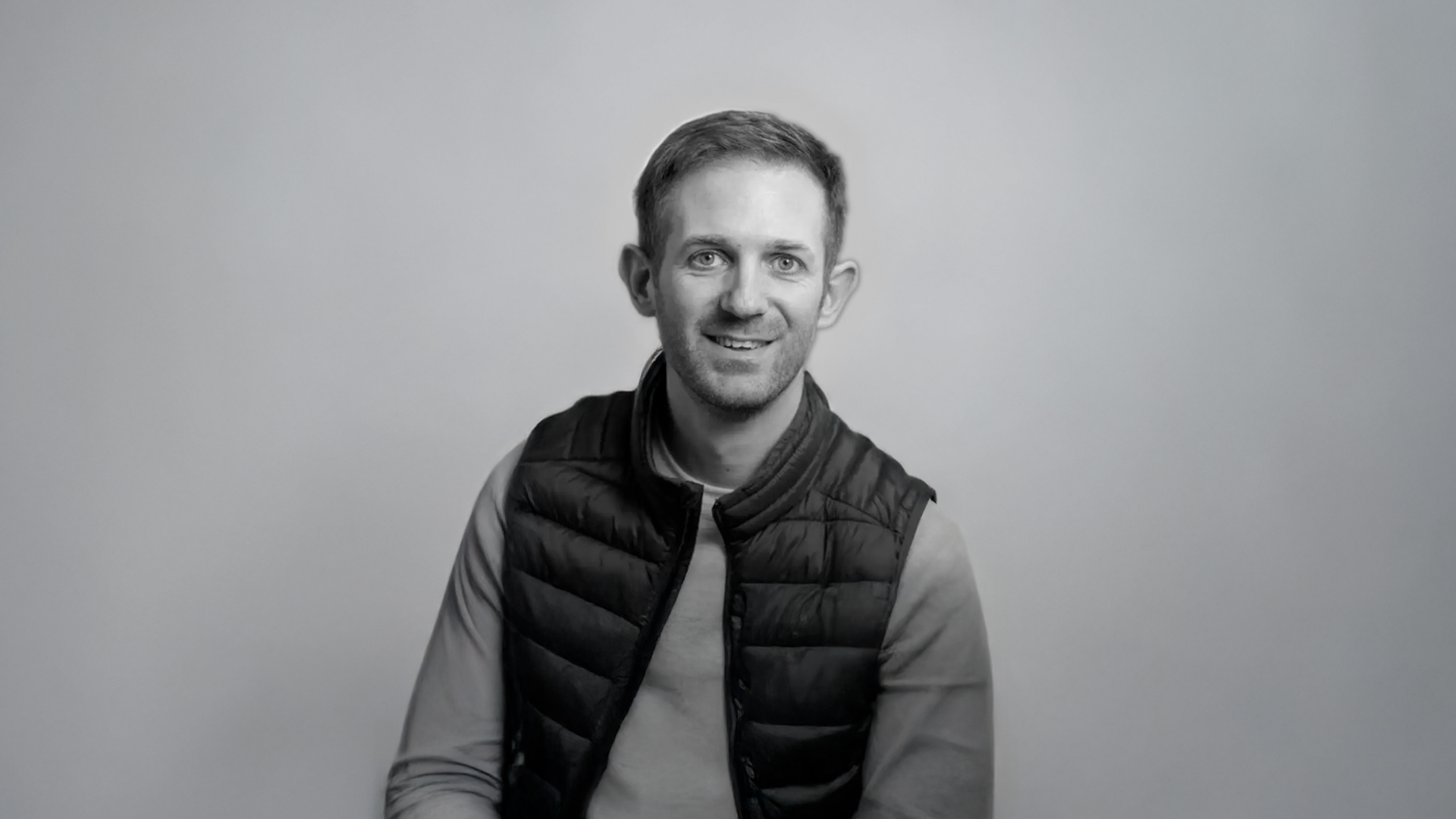
Olivier Issaly is the co-founder and president of Zenride in France. The company offers a bicycle as an employee benefit, co-financed by the employer.
A difficult commute can affect people's quality of life and can even push people to leave their job. Zenride allows employees to lease a bicycle for the journey to work and for daily life. The service includes insurance, assistance, maintenance and road safety training.
Electric bicycles help more people start cycling, but they remain expensive. According to Issaly, the average price is about 2,000 euros. Spreading the cost over time, with support from the employer, makes them more accessible.
Issaly sees employers as a strong lever because they ask people to come to work. More cyclists can also encourage public authorities to build more cycling infrastructure.
Key idea: Employers can improve health, purchasing power and the environment by changing how people travel to work.
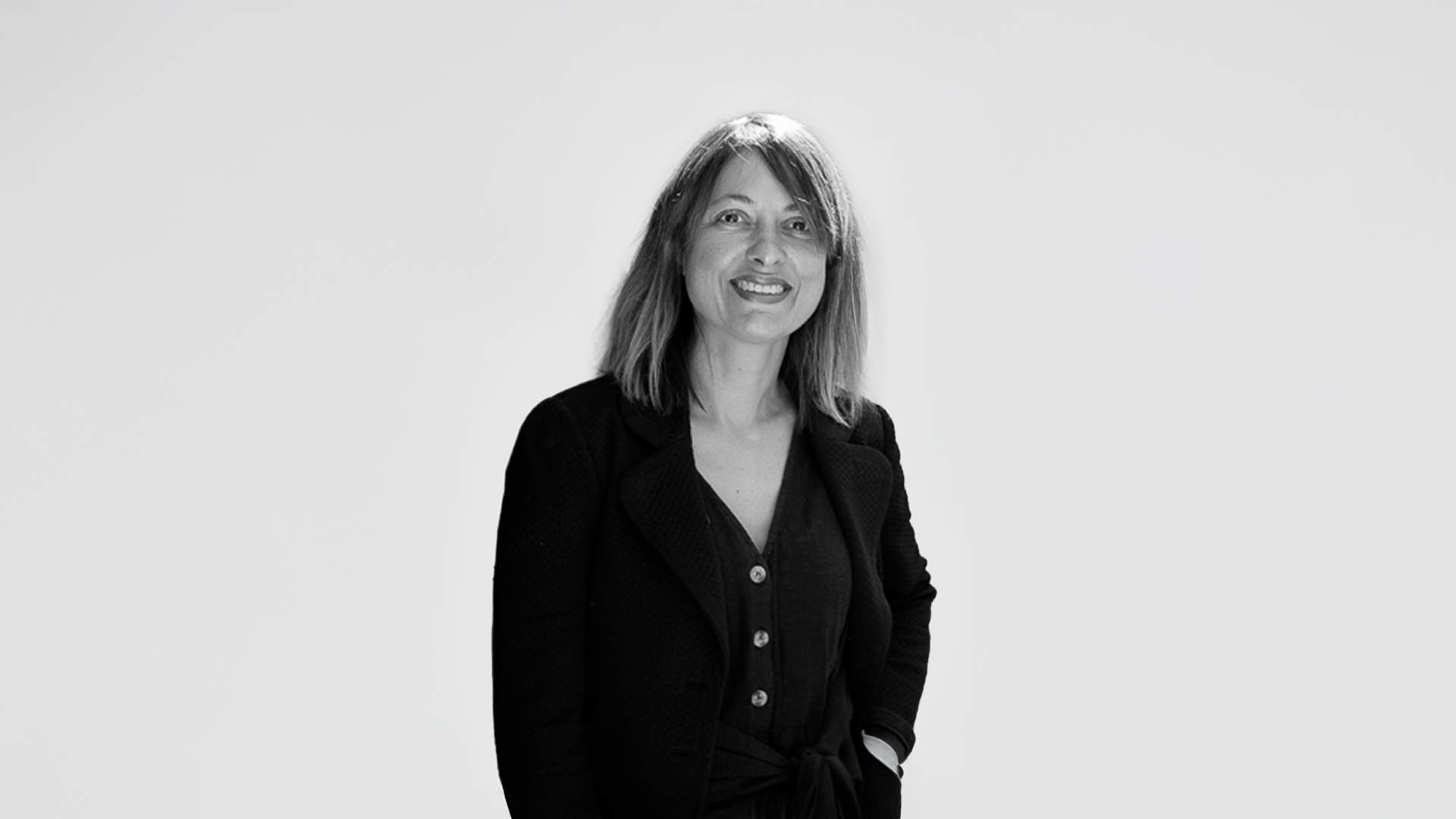
9. Design workplaces that support health
Raquel Traba is the co-founder and CEO of TRIPLE in Madrid, Spain. The company runs ecological coworking spaces and supports eco-social innovation projects.
The TRIPLE building is a former industrial building renovated with ecological criteria. It includes hospital-grade air purification, water filtering and lighting adapted to the daily rhythm of the body.
Traba, a lawyer by training, believes that the workplace affects how people feel and how they work. The community that uses the space sees work as an "extension of the person".
TRIPLE also organises an academy, thematic labs and monthly breakfasts for debate and reflection.
Key idea: The physical quality of the workplace, such as air, water and light, is part of health at work.
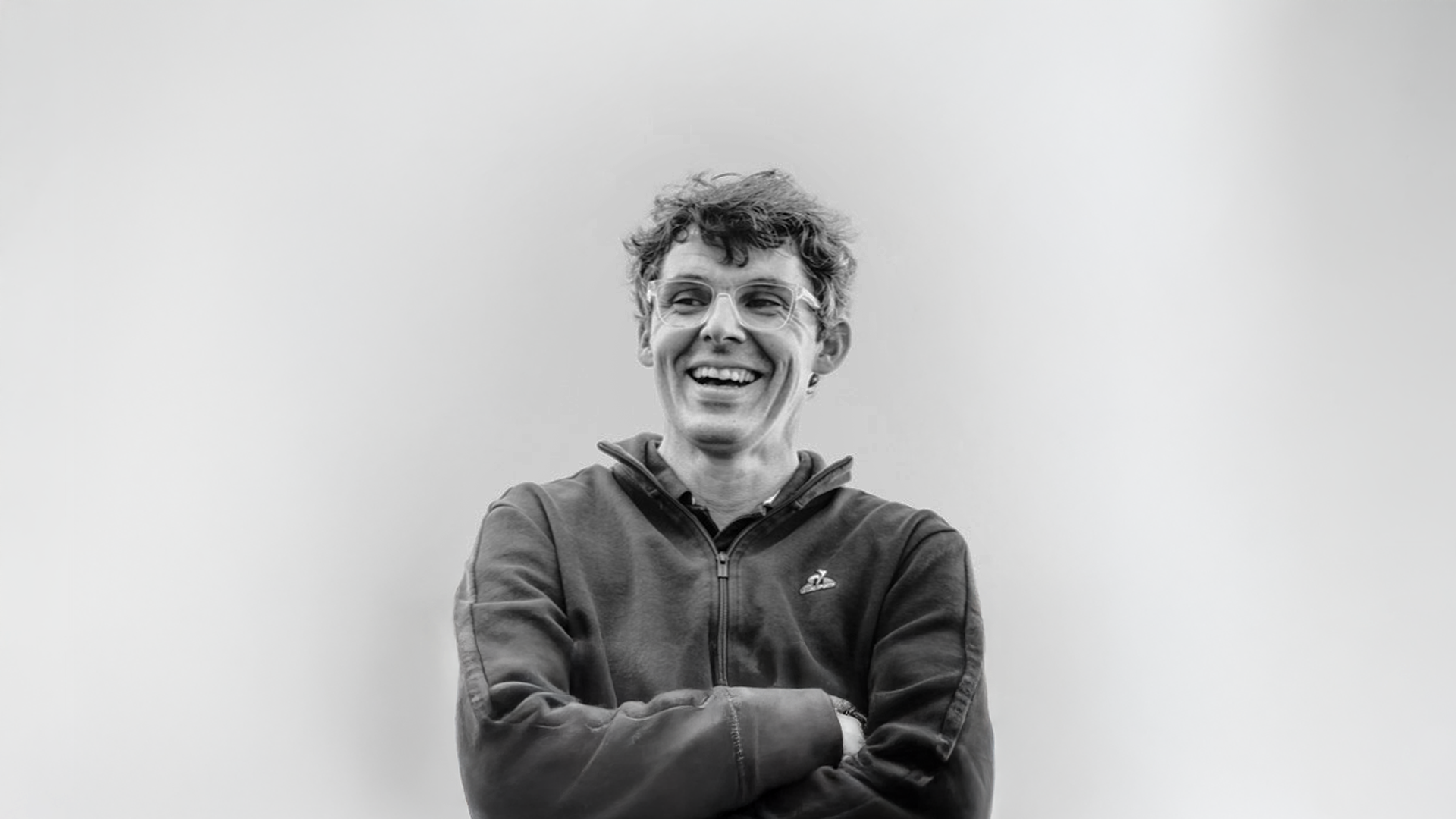
10. Use technology to reduce the fear of error
Benoit Le Franc is a hospital pharmacist in La Rochelle, France, and the founder of Eurekam. The solution uses image recognition to check chemotherapy preparations.
The idea came in 2009, after a patient died in a hospital day unit. Investigations found that an allergy was the cause. The event still raised many questions. It showed Le Franc that the safety of chemotherapy preparation depended too much on manual work.
With the University of La Rochelle, he developed a system that detects mistakes in volumes or vials. The person preparing the treatment can then correct the error. From one centre in 2012, Eurekam is now used in 110 centres.
The technology also changes daily work. Teams feel calmer. Some say they sleep better because they no longer replay each preparation in their head at night.
Key idea: Tools that reduce the risk of error can also reduce stress and improve quality of life at work.
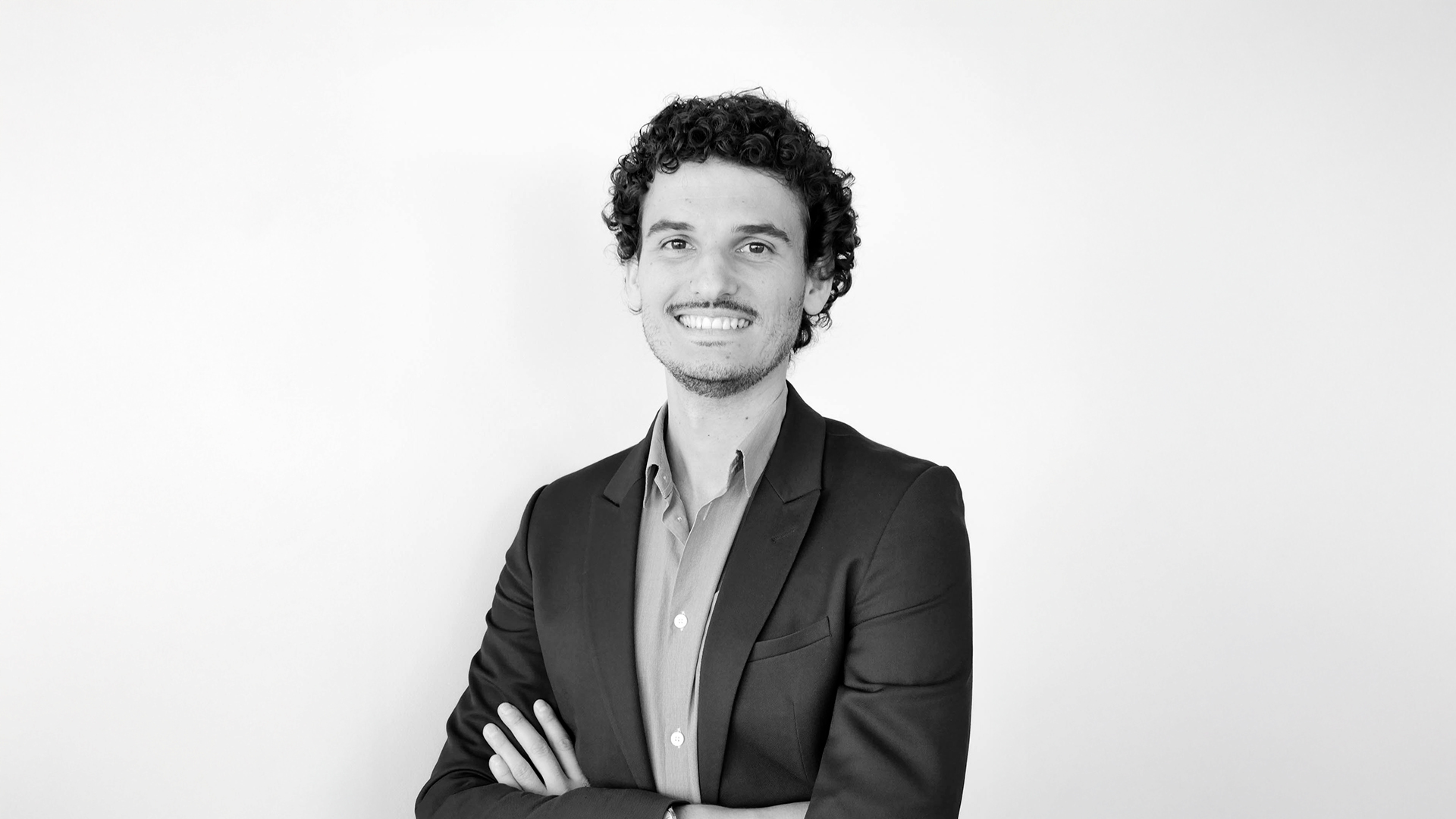
11. Look after the people who care for others
Adrien Bourzat is the founder and president of App'Inès in France. The platform helps healthcare professionals find replacements, partners and jobs.
The idea came from his brother, a self-employed nurse. He rarely attended family events because he struggled to find someone to replace him and ensure continuity of care.
App'Inès connects healthcare workers for replacement missions, collaborations and salaried jobs. Registration is free, and the platform uses artificial intelligence to speed up recruitment. It also aims to help areas with few health professionals, such as the rural Corrèze region, where Bourzat created the company.
According to Bourzat, many carers continue to suffer in silence after the Covid crisis. His conviction is simple: "A happier carer means healthier patients."
Key idea: Better working conditions for healthcare professionals can also improve care for patients.
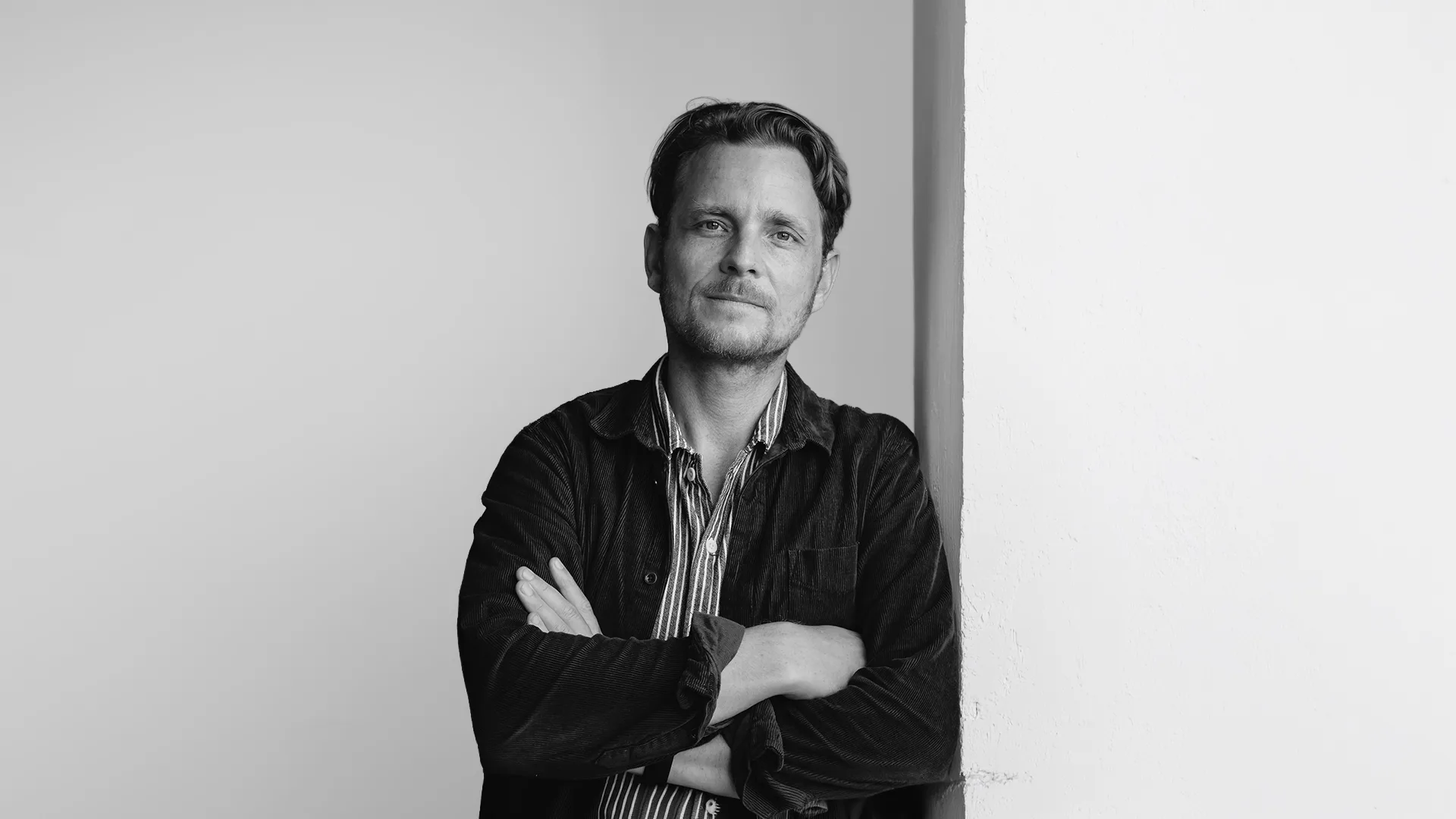
12. Put people at the centre of work
Sebastian Klein is the co-founder of Neue Narrative in Germany. The magazine and its digital platform, 9 Spaces, help organisations change the way they work.
Klein studied psychology before working in strategy consulting. There, he saw a model focused mainly on money and profit. For him, the old model, where people are treated as resources to consume, no longer works.
Klein uses the "doughnut" model of economist Kate Raworth. A company that makes too little profit goes bankrupt. A company that seeks too much profit can cause harm, for example worker exhaustion from overwork or damage to the environment.
For Klein, "New Work" means human-centred work. It takes the needs and personalities of people seriously.
Key idea: Organisations that protect the energy of their workers also protect their own future and the planet.
Twelve approaches, one European challenge
These twelve approaches address different parts of the same problem: work should support the health of people instead of damaging it.
The Self Investigation, Thrivall, PepPsy and Alterhego focus on mental health and the prevention of psychosocial risks. Percko and Japet Médical work on back pain and musculoskeletal disorders. Egym Wellpass and Zenride help employees move more in their daily lives.
TRIPLE shows that the building itself can support health. Eurekam reduces stress by reducing the risk of error. App'Inès supports healthcare workers. Neue Narrative questions the way organisations use human energy.
These approaches respond to major European challenges. They include burnout, back pain, musculoskeletal disorders, sedentary lifestyles and the pressure on care professions.
The European challenge is not only to repair damage after it happens. It is to prevent it by changing tools, places, habits and management practices.
Europe already has many organisations working on these issues. The next step is to share their knowledge and help effective solutions reach more workplaces.
The goal is simple: work that keeps people healthy, for longer, across Europe.