How can we help everyone find their place in a rapidly changing labour market?
Jobs are evolving, some skills are becoming obsolete while new ones are emerging. At the same time, companies are struggling to recruit, while certain groups of workers remain more exposed to unemployment or precarious employment.
The European labour market therefore faces several challenges at once.
Young people need help discovering the jobs that are in demand. Working people need access to lifelong learning. Those looking to change careers need support. Companies need to improve the way they recruit, while creating working environments where employees can remain in the workforce for longer.
These challenges are closely connected.
A company may struggle to find the skills it needs while people are looking for work. A profession may be hiring while few candidates have the required qualifications. An experienced worker may leave the labour market because their age becomes a barrier to recruitment. A person with a disability may have the right skills but still face barriers that prevent them from being hired.
The challenge is therefore not simply to create jobs.
It is also about building effective pathways between people, skills and businesses.
Across Europe, entrepreneurs and organisations are experimenting with new approaches.
Here are twelve ways Europe is rethinking the future of work.
1. Help young people discover the jobs of tomorrow
Access to employment can begin long before someone starts looking for their first job.
For young people, choosing a course of study or a career requires knowing what opportunities are available. But access to this information is not evenly distributed.
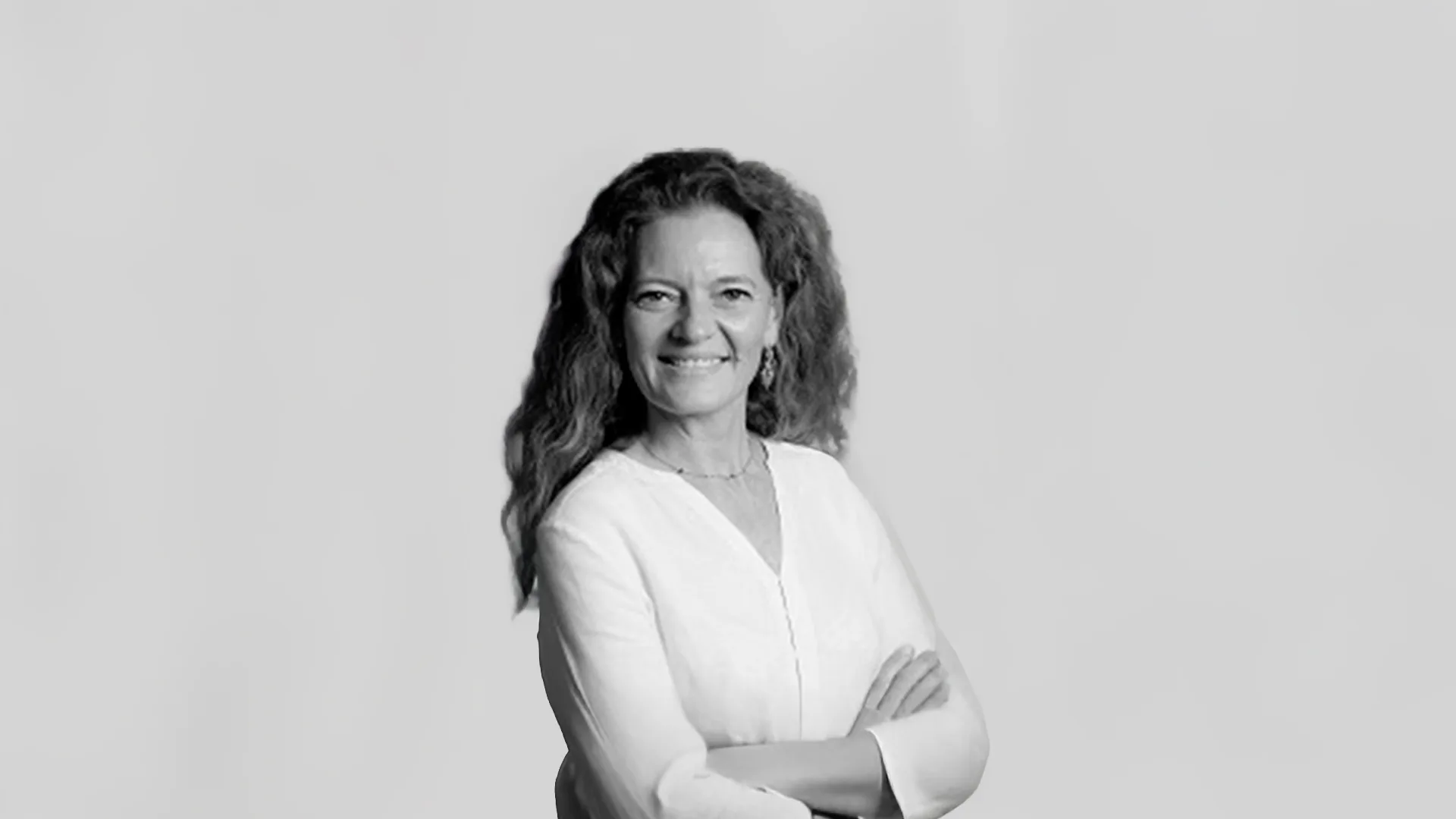
In France, JobIRL seeks to reduce this gap by connecting young people with professionals.
The organisation now has 180,000 active members and also runs programmes in priority neighbourhoods and rural areas. Young people can discover different careers, talk to professionals, look for internships or apprenticeships and receive support with their career choices.
The strength of the model lies in bringing the professional world into the career guidance process.
In the middle and high schools supported by JobIRL, 80% of students say they discovered careers they were previously unaware of, while 93% say they feel more motivated to work on their career plans after meeting professionals.
The challenge is therefore to reduce an inequality that exists even before people enter the labour market: access to information and professional networks.
Key idea: Better career guidance also means giving young people access to the people and information that can broaden their choices.
2. Make professional training accessible to more people
Jobs are changing, but training is not always accessible to those who need it most.
Digital technology creates new opportunities to make training more flexible and enable more people to develop in-demand skills.
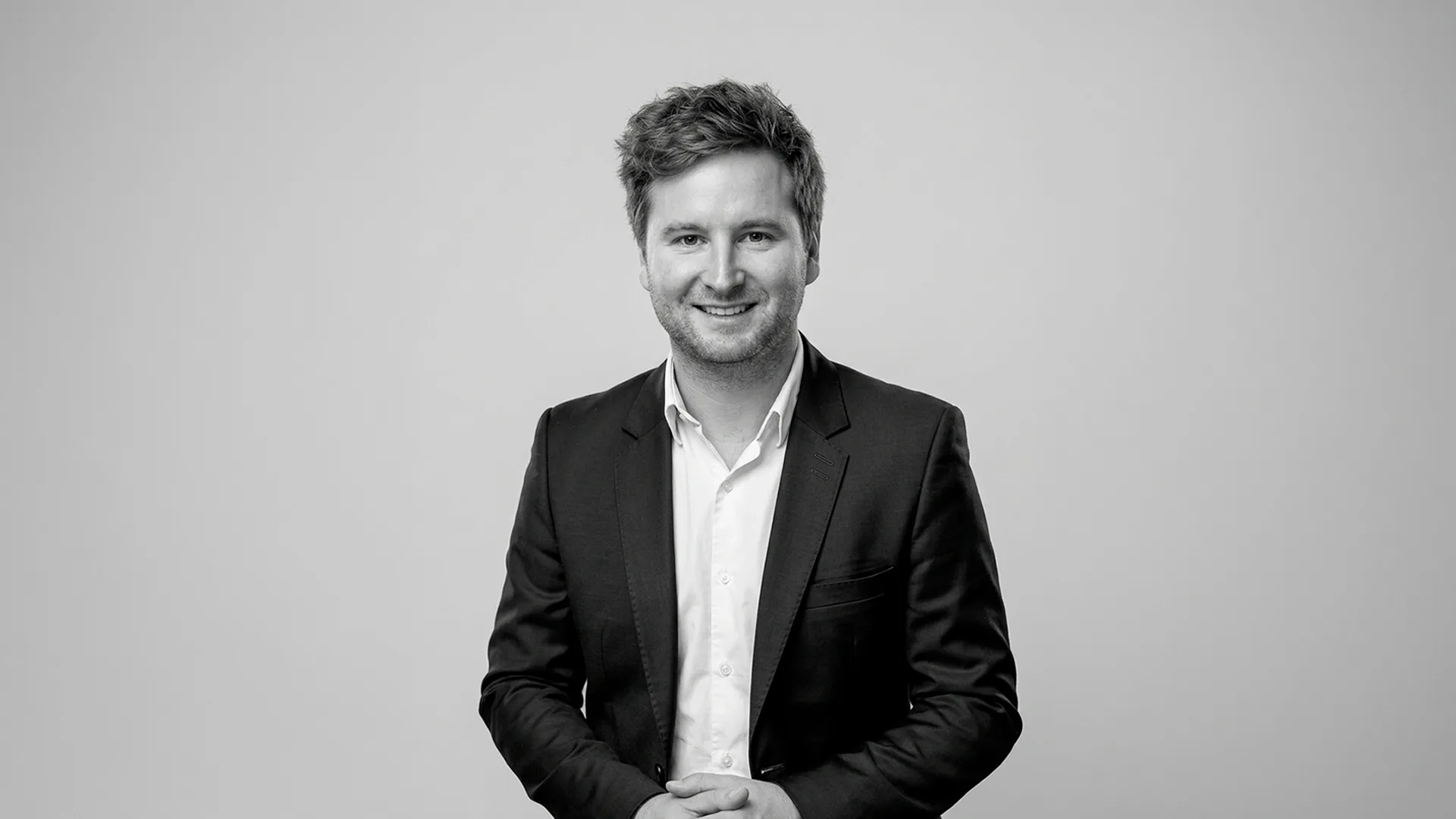
In France, Actual School, led by Julien Cyr, provides training in technology-related professions.
The approach aims in particular to make tech training more accessible and create pathways into professions where companies are facing strong demand.
This question is becoming increasingly important in an economy where digital skills are spreading across almost every sector.
Professional training should therefore no longer be seen as something that happens only at the beginning of a career.
It is becoming a permanent infrastructure that enables workers to adapt as their professions evolve.
Key idea: In a changing labour market, access to training is becoming a fundamental condition for employability.

3. Train people for jobs that are changing
Training does not necessarily mean changing careers completely.
Some professions themselves need to evolve.
This is particularly visible in sectors undergoing the green transition.
In the United Kingdom, Mat Ilic works on training already-qualified professionals so they can adapt their skills to the new demands of the energy transition.
The challenge is significant: building new infrastructure, renovating homes and deploying low-carbon technologies requires professionals who can work with new technologies and methods.
Training a new generation of workers is therefore not enough.
People already in the workforce also need opportunities to update and adapt their skills.
The green transition is therefore also a transition in the way we work.
Key idea: Economic transformations require us to update the skills of people already in the workforce, not only train new professionals.

4. Make career changes possible throughout life
Linear careers are becoming less common.
People may change sectors, return to education, start a business or look for work that is more closely aligned with their aspirations.
In France, Le Bol, co-founded by Sarah Cambot, supports precisely this kind of transition.
The platform brings together resources, professional training and a community focused on ceramics.
Sarah Cambot knows this journey herself: she retrained after an initial career as an audiologist.
Her experience led her to create the resources she would have wanted to find when she was looking for information about her new profession.
But the model is not based on training alone.
The community also allows people who may be geographically isolated to share their experiences and challenges.
Career transitions are therefore both a skills issue and a network issue.
Key idea: Successfully changing careers requires access to the right skills, but also to a community that can support people through the transition.
5. Remove barriers that keep people out of employment
Some people are excluded from employment not because they lack skills.
They may instead face barriers linked to their administrative situation, background, disability, career history or recruiters' preconceptions.
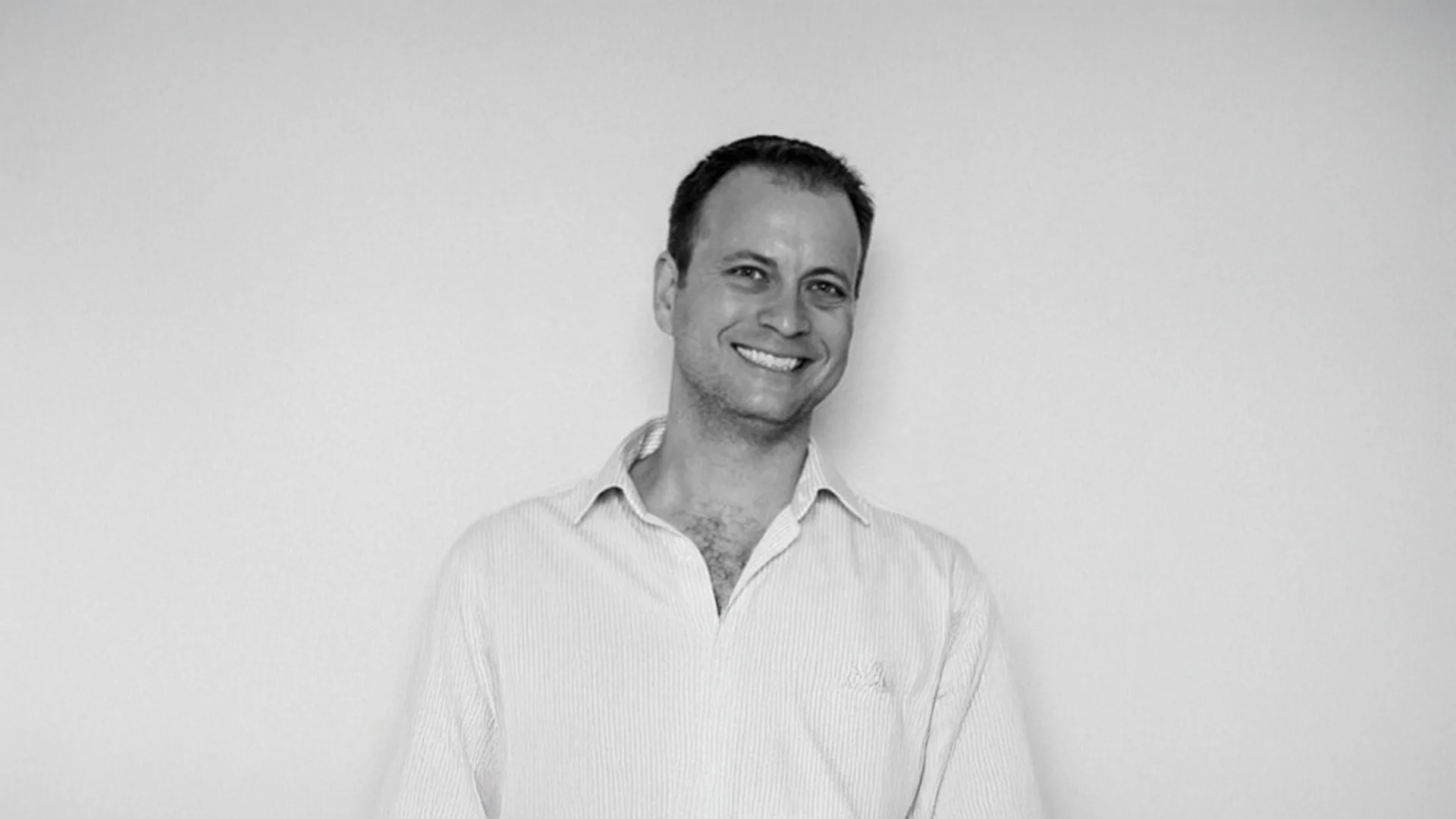
In the United Kingdom, Nemi Teas uses its business activity as a direct pathway into employment for refugees.
The company was created after its founder met Syrian refugees who had worked as doctors, lawyers or executives in their home country but were unable to find employment in the UK because they lacked local experience or references.
Nemi Teas first employs them in its production activities and then in cafés run by refugees.
This allows them to gain UK work experience, practise their English, build confidence and obtain a first professional reference.
The company then uses its customer network to help them find their next job.
Work becomes a bridge.
The goal is not simply to provide an income, but to help people gradually rebuild a professional career.
Key idea: Creating a first professional experience can be a practical way to remove some of the barriers preventing qualified people from accessing employment.

6. Turn work into a pathway out of exclusion
Work can also play a role in particularly complex reintegration journeys.
In France, SPILE, which stands for Sortir de prison, intégrer l'entreprise, supports people under judicial supervision as they transition into employment.
The organisation works with people from their time in prison through to their return to society, while working with companies to create employment opportunities.
The aim is to make employment one of the pillars of reintegration.
The model is based on a simple idea: having a job does not solve every problem, but it can provide structure, income, skills and, above all, a new professional identity.
Recruitment can therefore also become a tool for preventing reoffending.
Key idea: Employment can become a powerful reintegration tool when it is part of a genuine pathway between prison and the workplace.

7. Make neurodiversity an asset for companies
Companies often seek to recruit people who fit predefined criteria.
But these criteria can exclude people whose skills could nevertheless be valuable.
In France, Autypik, founded by Mara Staub, has developed a recruitment platform designed by and for neurodivergent people.
The aim is to reduce the barriers that can arise during traditional recruitment processes.
The issue goes beyond inclusion alone.
It also raises questions about how companies define skills, assess candidates and organise work.
A company that adapts its recruitment practices may gain access to profiles it would not otherwise encounter.
Diversity therefore becomes a question of how the labour market functions, rather than simply a matter of corporate social responsibility.
Key idea: Making recruitment more inclusive can help companies access skills that traditional recruitment methods do not always identify.

8. Help experienced workers stay in the labour market
An ageing population is also transforming the labour market.
Companies will need to retain the skills and experience of older employees for longer, while allowing younger generations to take their place.
In France, Les Infatigables, founded by Wassila Louisa Djellal, focuses on the employability of older workers and intergenerational management.
The challenge is not simply to keep older people in employment.
It is about rethinking careers and relationships between generations so that accumulated experience can continue to benefit organisations.
This means tackling age-related stereotypes and improving the way knowledge and skills are passed on.
An ageing population is therefore as much a human resources issue as it is a demographic one.
Key idea: In an ageing Europe, maintaining the employability of older workers and strengthening cooperation between generations is becoming an economic priority.
9. Rethink the way companies are governed
The future of work does not depend on skills alone.
It also depends on how companies are organised.
In Spain, Mondragón has been offering a different approach to the distribution of economic power for several decades.
The cooperative group brings together 92 cooperatives and more than 70,000 worker-owners.
Employees also participate in important business decisions, while the model is based on limiting pay gaps.
This organisational model seeks to combine economic performance, employee participation and employment stability.
The cooperative model therefore raises a broader question: who should have a say in how a company is run?
When employees become more directly involved in their organisation, their relationship with work can also change.
Key idea: Rethinking work can also mean rethinking corporate governance and the role employees play in business decisions.

10. Give employees a stronger voice
Participation does not necessarily require a cooperative structure.
It can also start with something simpler: listening to employees.
In the United Kingdom, ChooseMyCompany, founded by Celica Thellier, collects feedback from employees, candidates, interns, customers and students to create greater transparency around relationships between organisations and their stakeholders.
The company seeks to give workers a way to express their experience of an organisation.
For companies, this information can help identify problems that do not always make their way through traditional management channels.
Work becomes less hierarchical.
Employees are no longer simply the recipients of company decisions. They also become a source of information that can help improve how the organisation operates.
Key idea: Listening to employees can help companies better understand their own challenges and improve the relationship between work and management.

11. Make work healthier
Transforming work also means considering its impact on health.
Some people leave their jobs not because they no longer want to work, but because their working conditions have become too difficult to sustain.
In Spain, The Self Investigation addresses this issue by seeking to transform workplace culture, particularly in so-called purpose-driven professions.
The goal is to develop healthier and more sustainable ways of working.
This approach challenges an idea that remains widespread in some sectors: that loving your job should be enough to accept its demands.
But a strong sense of vocation does not protect people from burnout.
In fact, people who are deeply committed to their work may find it even harder to set boundaries.
The future of work therefore also depends on our ability to create environments where professional commitment remains compatible with a sustainable life.
Key idea: Loving your job is not enough to make work sustainable; organisations also need to create healthy and sustainable working conditions.
12. Create new pathways into entrepreneurship
The future of work will not be entirely based on traditional employment.
For some people, entrepreneurship can offer another way to build a professional career.
In the United Kingdom, Launch It supports young entrepreneurs from disadvantaged backgrounds.
The organisation combines below-market workspace, entrepreneurial support and mentoring.
The model seeks to remove several barriers at once: the cost of getting started, a lack of networks and limited access to support.
Data shared by Launch It shows that 66% of supported businesses are still operating after five years, compared with an average of 42% in the UK. Other beneficiaries find employment through the contacts they build during their entrepreneurial journey.
Entrepreneurship can therefore become another pathway into employment.
Key idea: Making entrepreneurship more accessible can create new professional opportunities for people who face barriers to traditional employment.
Twelve approaches, one European challenge
These twelve initiatives operate at different points across the labour market.
JobIRL helps young people better understand the world of work. Actual School seeks to make professional training more accessible. Mat Ilic focuses on the changing skills required by the green transition. Le Bol supports career transitions. Nemi Teas uses business as a pathway into employment for refugees. SPILE turns work into a tool for reintegration. Autypik seeks to make recruitment more inclusive. Les Infatigables focuses on the employability of older workers and intergenerational relationships. Mondragón experiments with a different approach to corporate governance. ChooseMyCompany gives employees a stronger voice. The Self Investigation focuses on making work more sustainable. Launch It creates pathways into entrepreneurship.
These approaches do not represent a single model for the European labour market.
Instead, they show that the future of work is not simply about the emergence of new jobs.
It depends on our ability to help people enter the labour market, remain in it, change careers and continue learning throughout their working lives.
It also depends on how companies recruit, organise work and make decisions.
These questions are becoming particularly important as several transformations take place at the same time.
The green transition is creating new skills needs.
Digital technology is transforming many professions.
An ageing population is changing the structure of the workforce.
Companies need to attract a wider range of profiles.
And workers are placing greater importance on purpose, flexibility and the quality of their working environment.
The European labour market therefore needs more pathways.
Between education and employment. Between one career and another. Between training and retraining. Between exclusion and inclusion. Between experience and new skills. Between employment and entrepreneurship.
Europe does not need to invent all these solutions from scratch.
Some of them already exist.
The challenge now is to make them better known, connect them and enable more people and businesses to benefit from them.