Four common beliefs about health
European healthcare systems face several challenges at the same time. Populations are ageing. Some regions lack doctors. Chronic diseases and mental health problems are increasing.
These challenges are connected. Equal access to care is difficult when some regions have far fewer health professionals than others. Prevention is difficult when healthy habits are hard to adopt. And a health system is not inclusive when its tools and services ignore different needs.
Many people still believe that prevention means telling people what to do, that everyone has the same access to a doctor, that health inequalities are only medical or that mental health is a private matter.
Belief 1: "Prevention means telling people what to do"
Verdict: False.
The facts
In 2022, 31% of adults worldwide, about 1.8 billion people, did not do enough physical activity, according to the World Health Organization. Most people know that they should move more, eat better or stop smoking. Knowing is not enough.
Prevention works better when it makes healthy choices easier and when it starts before problems appear.
Make healthy choices easier
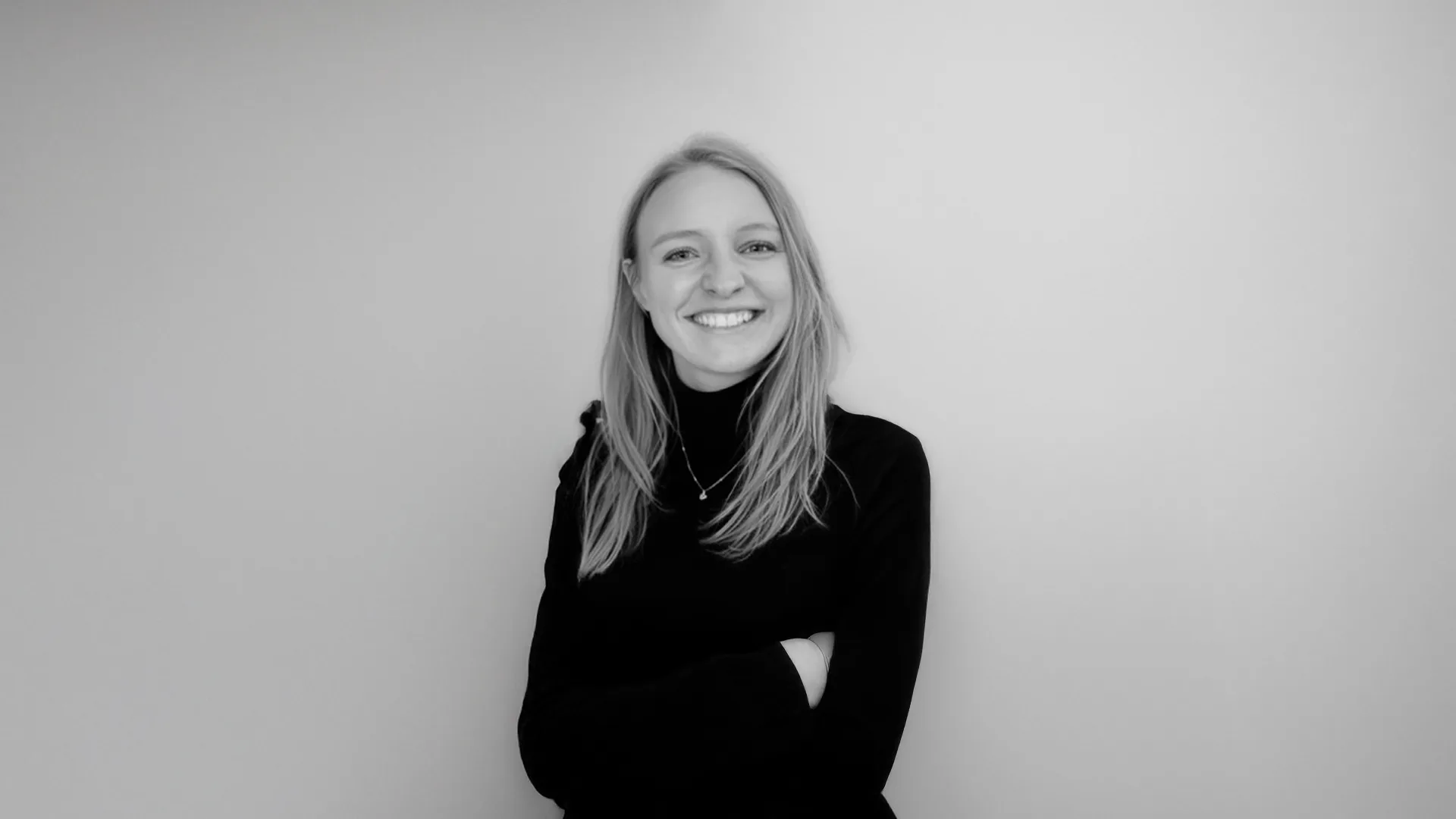
In France, VIF uses methods from marketing and behavioural science to improve health. Its starting point: traditional prevention messages do not always work. VIF first studies people's situation, needs and motivations. It then designs "nudges" that make healthy choices easier, without making people feel guilty. This matters most for people in difficult social or economic situations, for whom daily constraints make healthy habits harder.
Train the brain before problems appear
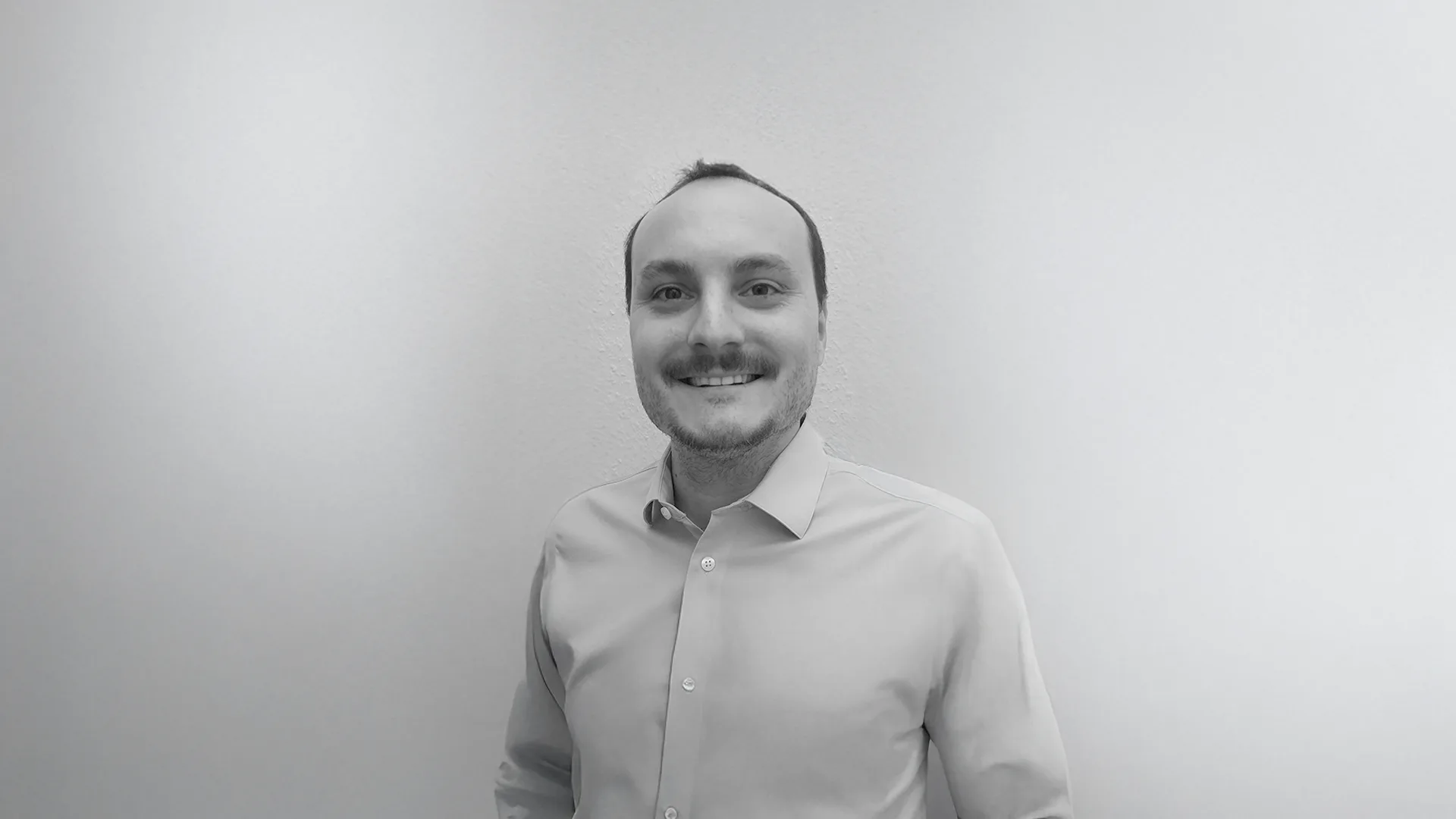
In Germany, NeuroNation develops digital tools for cognitive health. It offers an app for the general public and a medical solution for some patients. Younger people use the tools to train their cognitive abilities. Older people use them for prevention. Digital tools make it possible to offer exercises to many people and to follow their use over time.
Elsewhere on impact.info
Vivons en Forme (France). Sophie Mc Gannan explains why health prevention can be fun.
Why Health Prevention Can (and Should) Be Fun?Qida (Spain). Oriol Fuertes explains how prevention could reduce hospital overcrowding.
Why Prevention Could Help Reduce Hospital OvercrowdingAlphadiab (France). Emmanuel Claude explains why diabetes screening can save lives.
Why Diabetes Screening Can Save Your Life?
Belief 2: "Everyone has the same access to a doctor"
Verdict: False.
The facts
In 2024, 3.6% of people aged 16 or over in the EU reported an unmet need for medical care because of cost, distance or waiting lists, according to Eurostat. The share is much higher in some countries and among people on low incomes.
Access also depends on where people live and on whether they know which professional to see.
Make underserved regions attractive to young doctors
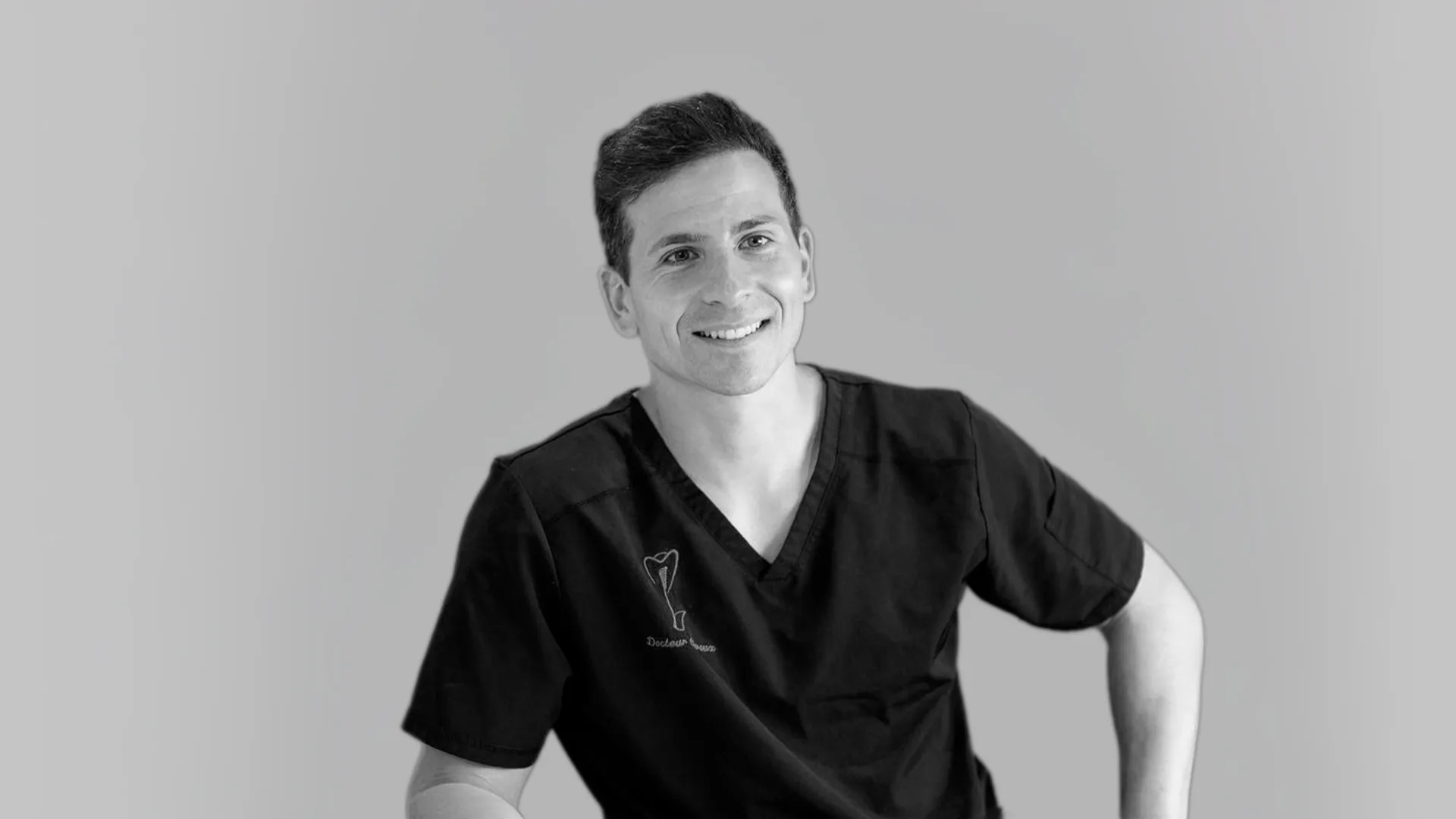
In France, Alexandre Chéroux created Doc Tripper after seeing how hard it is for rural areas to attract young health professionals. Local authorities use the platform to present placements, housing and local activities. Students and young professionals can first discover a region through an internship or a short replacement. At the time of the interview, 130 local authorities had joined.
Find the right care for a child quickly
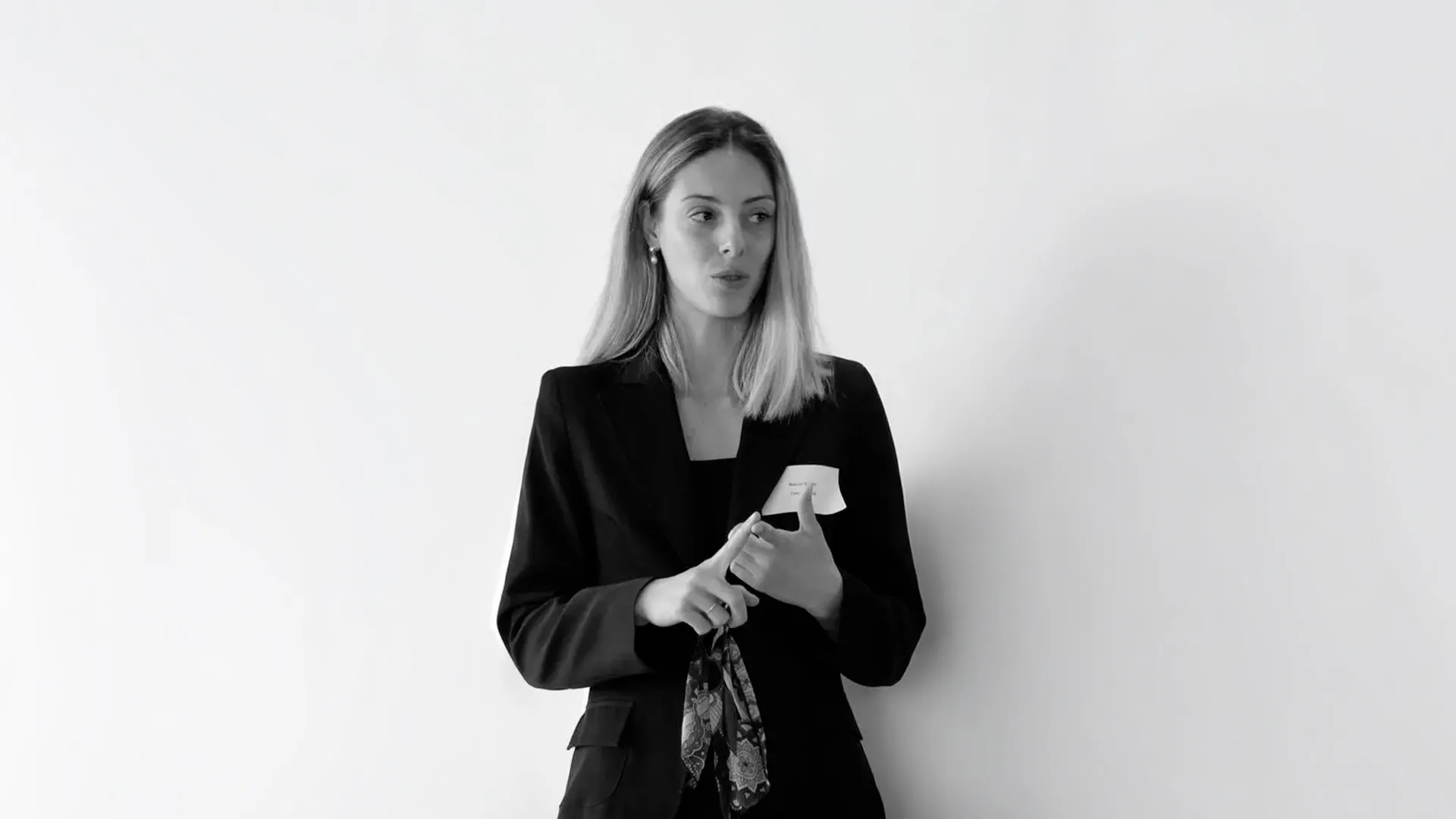
In France, Manon Sauter created Famille Santé after struggling to find the right professional for her own child. A few questions help parents assess the level of urgency. If needed, they are directed to emergency services. In other cases, the platform arranges a remote consultation with a paediatrician, seven days a week, from 8 a.m. to 10 p.m. According to Sauter, 70% of requests are resolved online.
Help patients find the right specialist
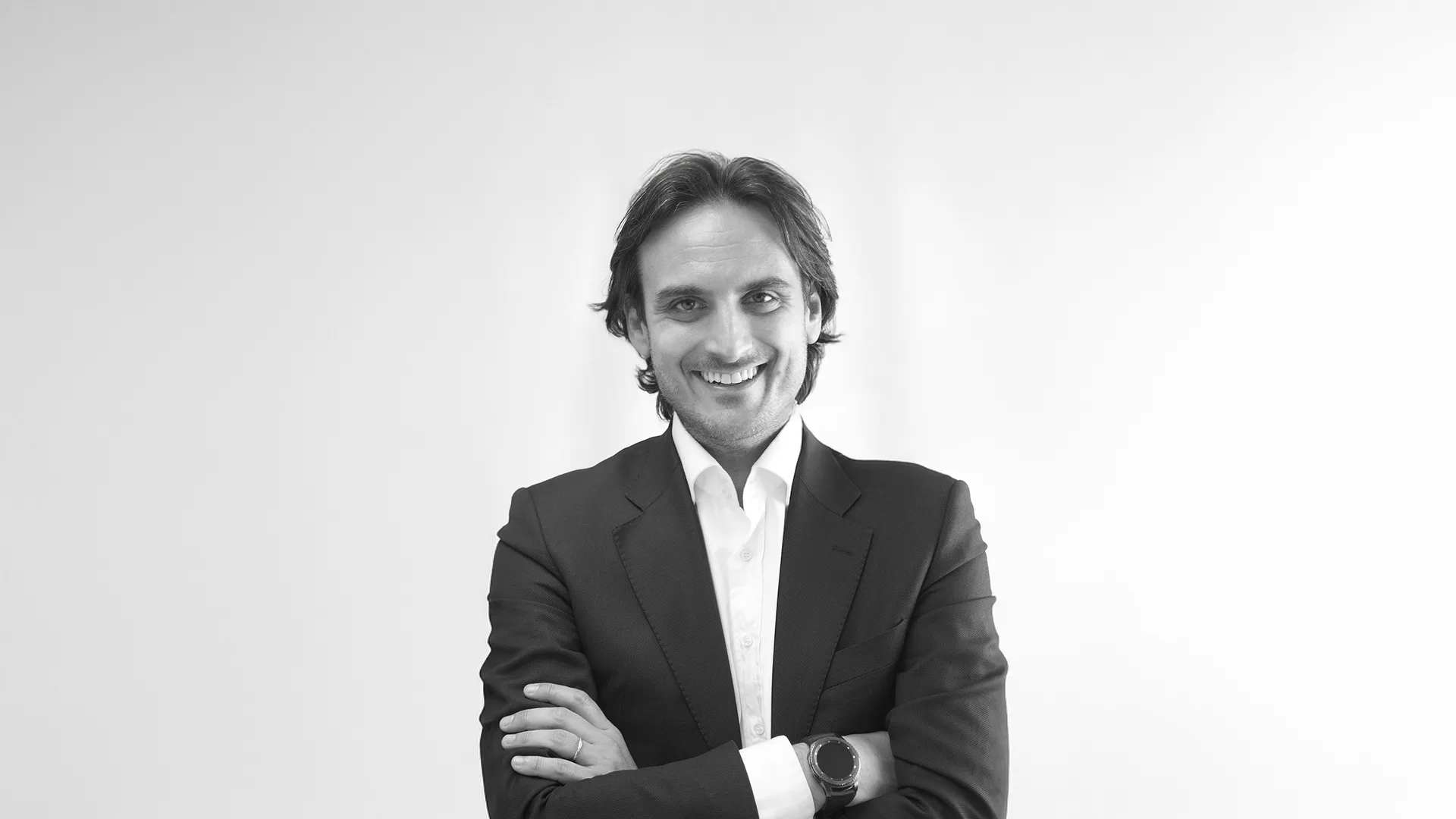
In Spain, Top Doctors helps patients search for specialists and book appointments online, including teleconsultations. This helps people who do not have a network to recommend the right specialist, and people who live far from a large hospital. Top Doctors says it manages more than 7 million appointments and teleconsultations every year.
Elsewhere on impact.info
Helen Keller Europe (France). Anne Gaëlle Guiard explains why access to healthcare is a basis for equal opportunities.
Why Access to Healthcare is a Foundation of Equal Opportunities?L'Ecrin de soi (France). The team explains why health and mental health spaces are essential in rural areas.
Why Creating Health and Mental Health Relay Spaces is Essential in Rural Areas?
Belief 3: "Health inequalities are only medical"
Verdict: False.
The facts
In 2024, 23.9% of people aged 16 or over in the EU had a disability, according to Eurostat. Many barriers to health have nothing to do with medicine: the cost of equipment, language or exclusion from work.
Good care exists. The question is whether everyone can use it.
Make exoskeletons accessible
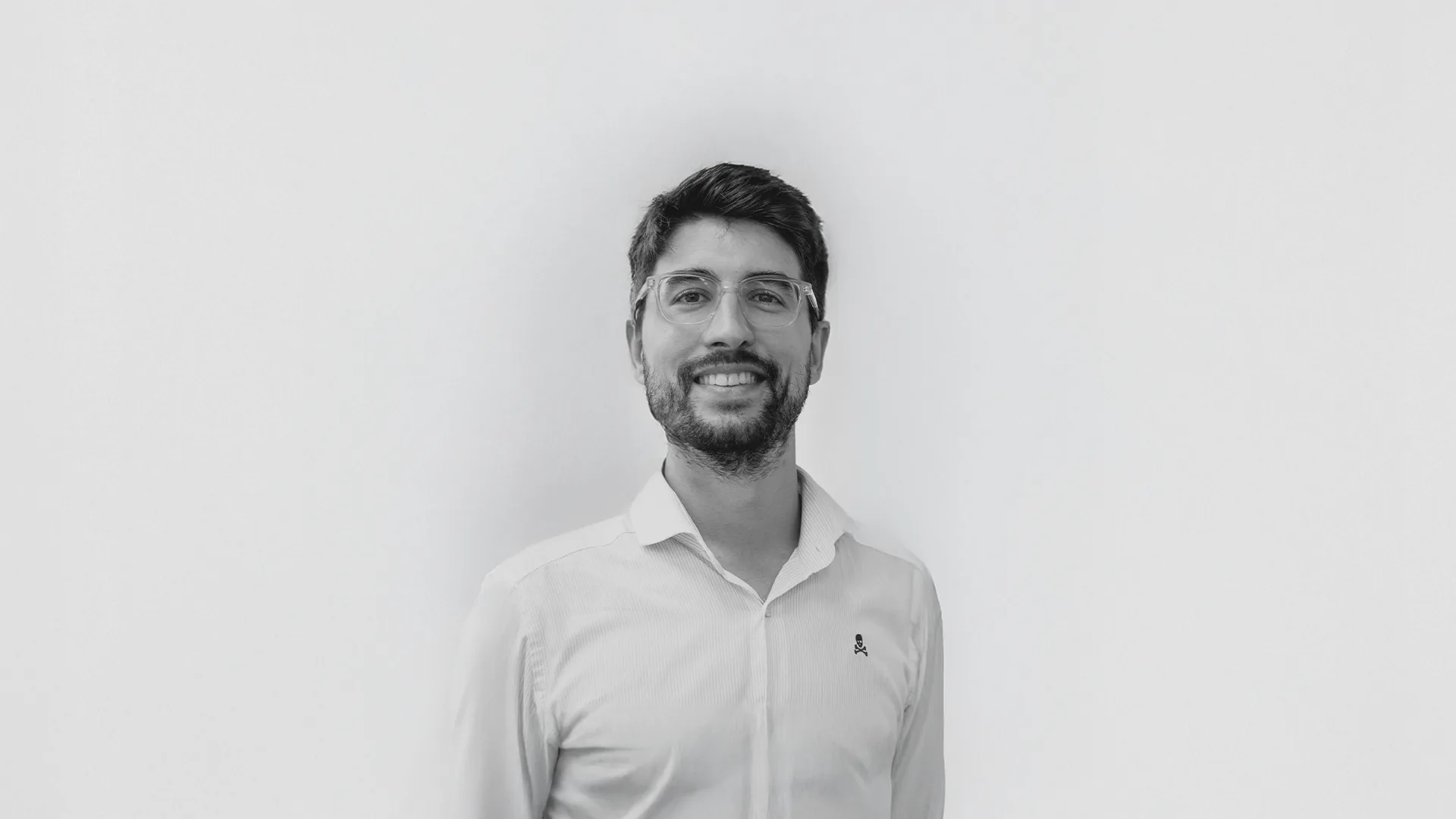
In Spain, Able Human Motion develops robotic exoskeletons for people with mobility impairments. This technology was long limited to highly specialised centres. The company wants more people to use it for rehabilitation and in daily life. For an innovation to be inclusive, technical performance is not enough. Cost, ease of use and links with existing care pathways also matter.
Remove language barriers
SAVD grew out of research at the Medical University of Vienna, Austria, on emergency situations in hospitals. It provides remote audio and video interpreting to hospitals, public administrations and other public services in German-speaking countries. Explaining a symptom or following a prescription should not depend on speaking the local language fluently. The service is especially important for refugees and recent arrivals.
Support entrepreneurs with disabilities
In France, H-Up Entrepreneur supports people with disabilities who want to start or grow a business. People with disabilities remain more exposed to unemployment, yet thousands of them are already entrepreneurs or want to become one. This changes how disability is seen: a person is not only someone who needs medical or social support, but also an entrepreneur and an employer.
Elsewhere on impact.info
Comme les autres (France). Jonathan Jeremiasz explains how sport can change everything after an accident.
Why Sports Can Change Everything After an Accident?L'Envol (France). Joanna Jammes explains why psychological and social support matters in the fight against illness.
Why the psychosocial aspect is essential in the fight against illness?
Belief 4: "Mental health is a private matter"
Verdict: False.
The facts
Depression and anxiety cause an estimated 12 billion lost working days each year worldwide, costing nearly one trillion US dollars, according to the World Health Organization and the International Labour Organization.
A person may struggle because their working environment itself is a problem. Support for individuals helps. Changing the environment also matters.
Combine individual support and team data
In France, Teale offers employees a private space to assess their mental health. Depending on their needs, they can access content, exercises and appointments with psychologists or coaches. Individual data is anonymised and grouped to identify teams where working conditions may harm mental health. The responsibility does not rest only on the individual.
Act before problems become serious
In the United Kingdom, Thrivall offers programmes that support employees' mental health throughout the year, instead of waiting for serious problems. It also helps organisations create healthier working environments. A company can give resources to its employees. It can also act on the factors that cause stress, burnout or a loss of meaning.
Elsewhere on impact.info
AirZen Radio (France). Christophe Duhamel explains why a radio station with only positive news can support mental wellbeing.
Why is tuning into a radio station airing 100% positive news so critical to our mental wellbeing?Healmind (Spain). Catalina Ayuso de Paúl explains how technology can improve mental health treatment.
Why Technology Can Improve Mental Health Treatments?
What they have in common
The four beliefs share one point: they reduce health to what happens in a doctor's office. The 10 initiatives in this dossier show that health also depends on habits, places, information and working conditions.
They make prevention easier, before a disease appears.
They bring professionals closer to patients, with platforms, teleconsultation and new ways to attract doctors.
They remove barriers linked to disability, language and work.
These initiatives come from France, Spain, Germany, the United Kingdom and Austria. They respond to challenges shared across Europe. Many more can be discovered on impact.info.
Better health is not only about better care. It is also about making prevention, information and care accessible to everyone.