Five common beliefs about food
Food is part of our daily lives. It affects our health, our budget, the climate and the people who produce it. Across Europe, the way we produce and eat food is changing.
In 2024, 8.5% of people in the European Union could not afford a meal with meat, fish or a vegetarian equivalent every second day, according to Eurostat.
Many people still believe that eating well is a luxury, that food waste only happens at home or that farming has no future.
Belief 1: "Eating well is a luxury"
Verdict: Partly true.
The facts
People at risk of poverty are three times more likely to go without a proper meal. In 2024, this was the case for 19.4% of them, compared with 6.4% of other people, according to Eurostat.
Healthy and sustainable food often costs more. At the same time, many farmers do not earn enough from their work. In France, 200 farms disappear every week, according to Terre de Milpa and Terre de liens.
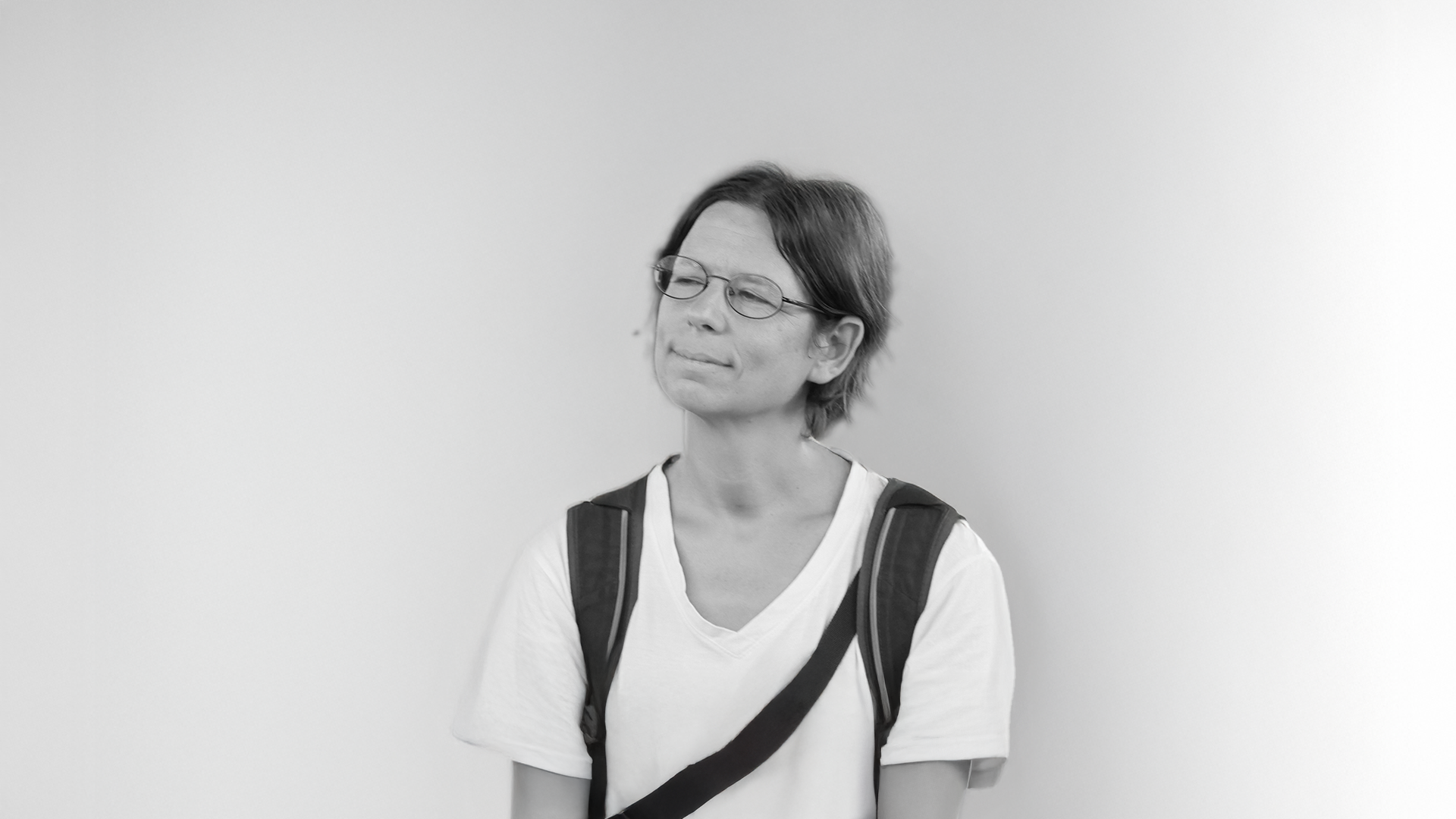
Grow vegetables and jobs at the same time
In the Rhône department, in France, Terre de Milpa was created in 2020. It runs a farm where people far from employment grow organic vegetables and bake bread. They work under contracts of six months to two years. They also receive support to find a job afterwards.
Part of the vegetable baskets are sold at very low prices to families with low incomes, through a solidarity scheme of the Cocagne network. The association is now preparing farms designed by and for women in precarious situations. For its founder, Olivia de Roubin, "eating well should not be a luxury."
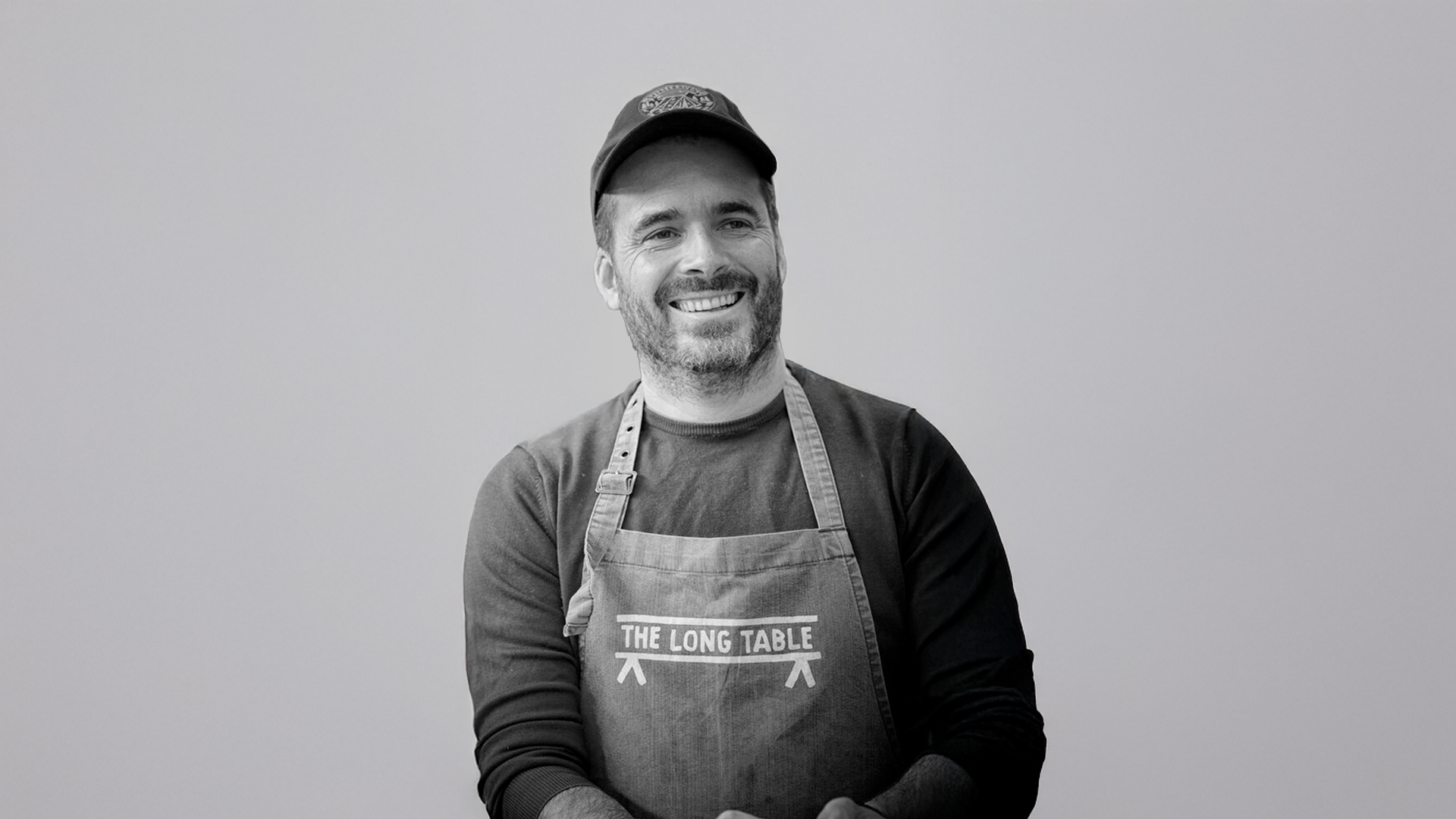
Pay what you can
In Stroud, a small town in England, the baker Tom Herbert founded The Long Table in 2017. It is a real restaurant where customers pay what they can for all main meals. They can see how much a meal costs to make: about 10 to 12 pounds. People who pay more help to pay for others.
Last year, the restaurant fed about 44,000 people, according to its founder. Half of them paid the cost of the meal or more. For 12% of them, someone else paid. The staff are paid at least a living wage, and the food comes from local farms. The idea has inspired projects in Bristol, Belfast and Portland, in the United States. "Amazing things happen when we eat together," says Tom Herbert.
Elsewhere on impact.info
Les Cuisiniers solidaires (France). Jacques Cardot explains how an association in Vannes fights food waste and promotes quality food for everyone.
Why is it important to raise awareness about healthy eating at all ages and in all environments?Re-Belle (France). Charlotte Porez presents a work-integration project in Seine-Saint-Denis where women work in sustainable food.
Why Demonstrating a System of Socio-Professional Inclusion and Sustainable Food is Possible for Everyone?
Belief 2: "Food waste is a household problem"
Verdict: Partly true.
The facts
In 2022, the European Union produced 59.2 million tonnes of food waste, about 132 kg per person, according to Eurostat. Households produced 54% of this waste. The rest came from food manufacturing (19%), restaurants and food services (11%), shops (8%) and farms (8%).
Households are the largest source. But almost half of food waste happens before food reaches our homes.
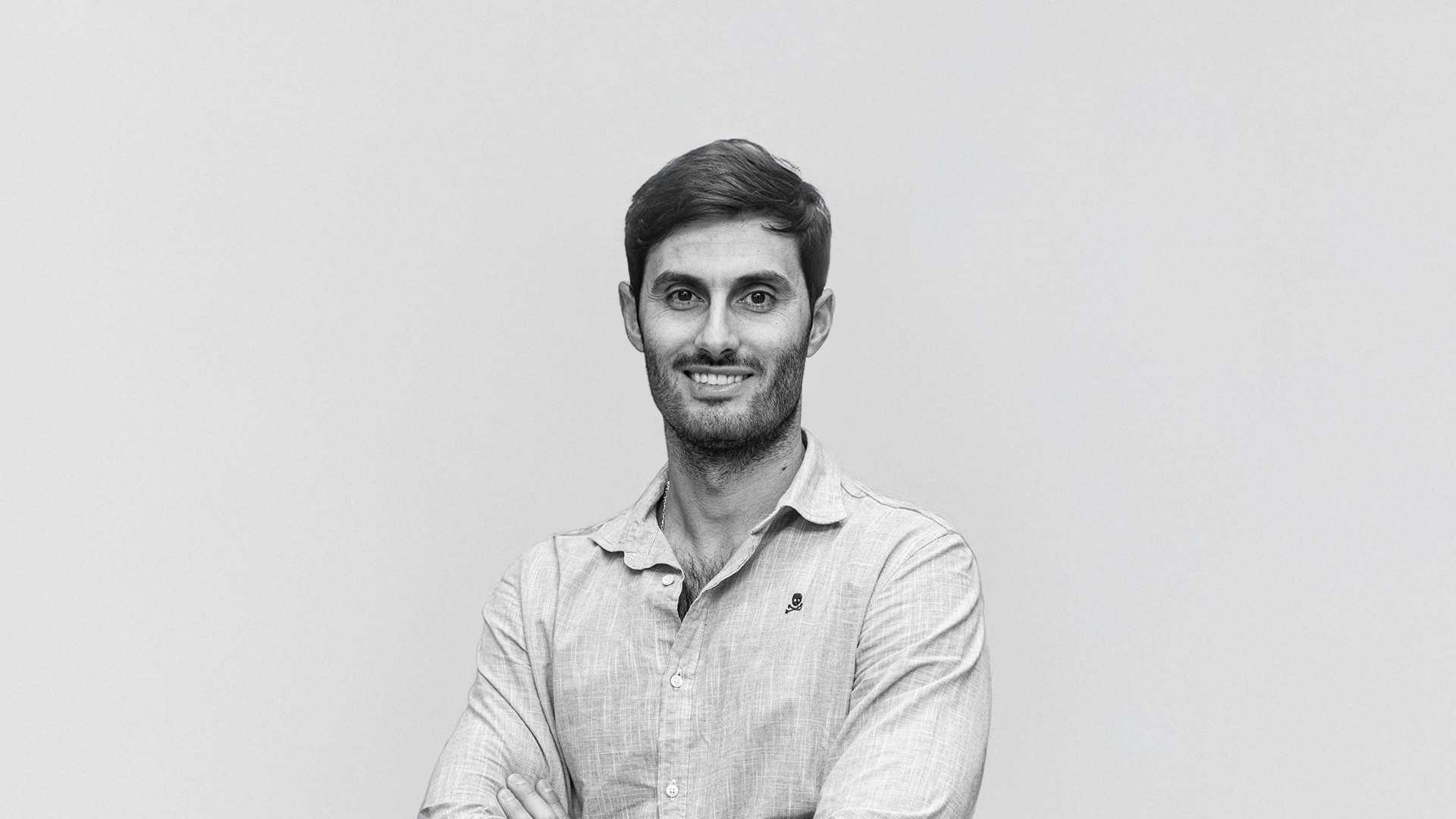
Turn food aid into vouchers for local shops
In Spain, Coometas started in 2018 as an app to sell the surplus products of shops. Today, it turns food aid from non-profit organisations and local authorities into digital vouchers. Families use these vouchers in local shops that are part of the network. According to the company, the network now has 1,500 shops.
Its partners include Cáritas, the Red Cross and Action Against Hunger. The company also fights food waste and brings new customers to local shops. Its founder, Gabriel Ramas, started from a simple question: "How is it possible that on the same street a shop wastes good products and a family struggles to access food?"
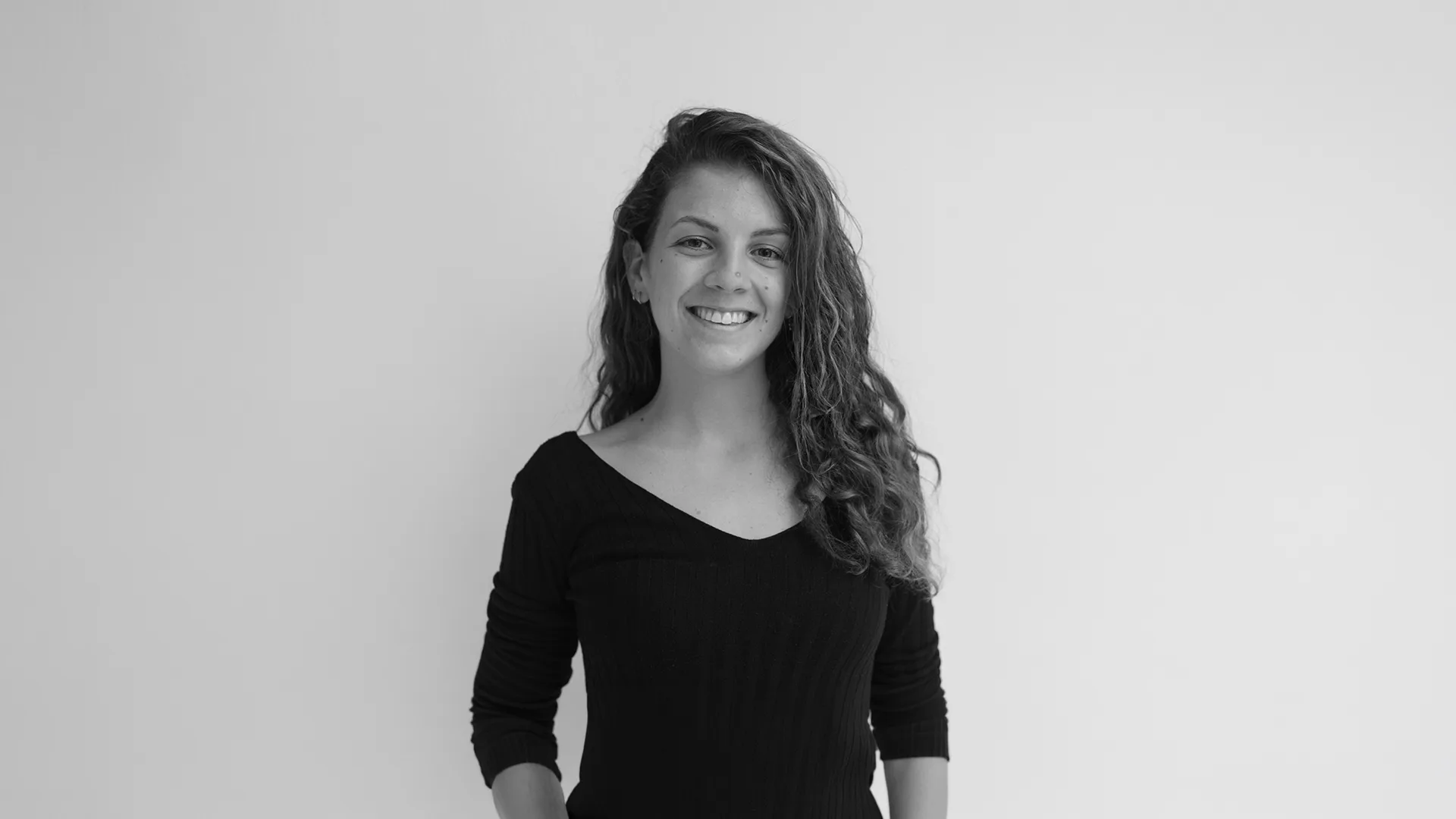
Help restaurants change what they buy
In France, Écotable was created in 2019. It helps restaurants adopt more sustainable practices. It offers a label with three levels, a list of more than 500 committed suppliers, training and tools to weigh food waste.
According to Écotable, about 80% of the carbon footprint of a restaurant comes from the food it buys. To receive the label, at least 15%, 30% or 50% of purchases must be organic or sustainable, depending on the level. Restaurants are checked every year. For Eva Rumeau, head of development, owners of independent restaurants have "ten jobs in one" and need simple support.
Elsewhere on impact.info
Querfeld (Germany). Yana Graf explains why fruit and vegetables with unusual shapes deserve to be sold and eaten.
Why is crooked produce worth being utilized?Comerso (Spain). Juan Ángel Martín explains why fighting food waste can be profitable for a company.
Why fighting against waste can be profitable for a company?
Belief 3: "Farming has no future"
Verdict: Partly true.
The facts
In France, one farmer in two will retire by 2030, according to Fermes d'Avenir. Setting up as a farmer costs about 500,000 euros when the farm is bought, according to Terre de liens.
Yet people still want to become farmers, even when they do not come from a farming family. According to Terre de liens, two thirds of the new farmers it supports come from outside the farming world.
Buy farms with the savings of citizens
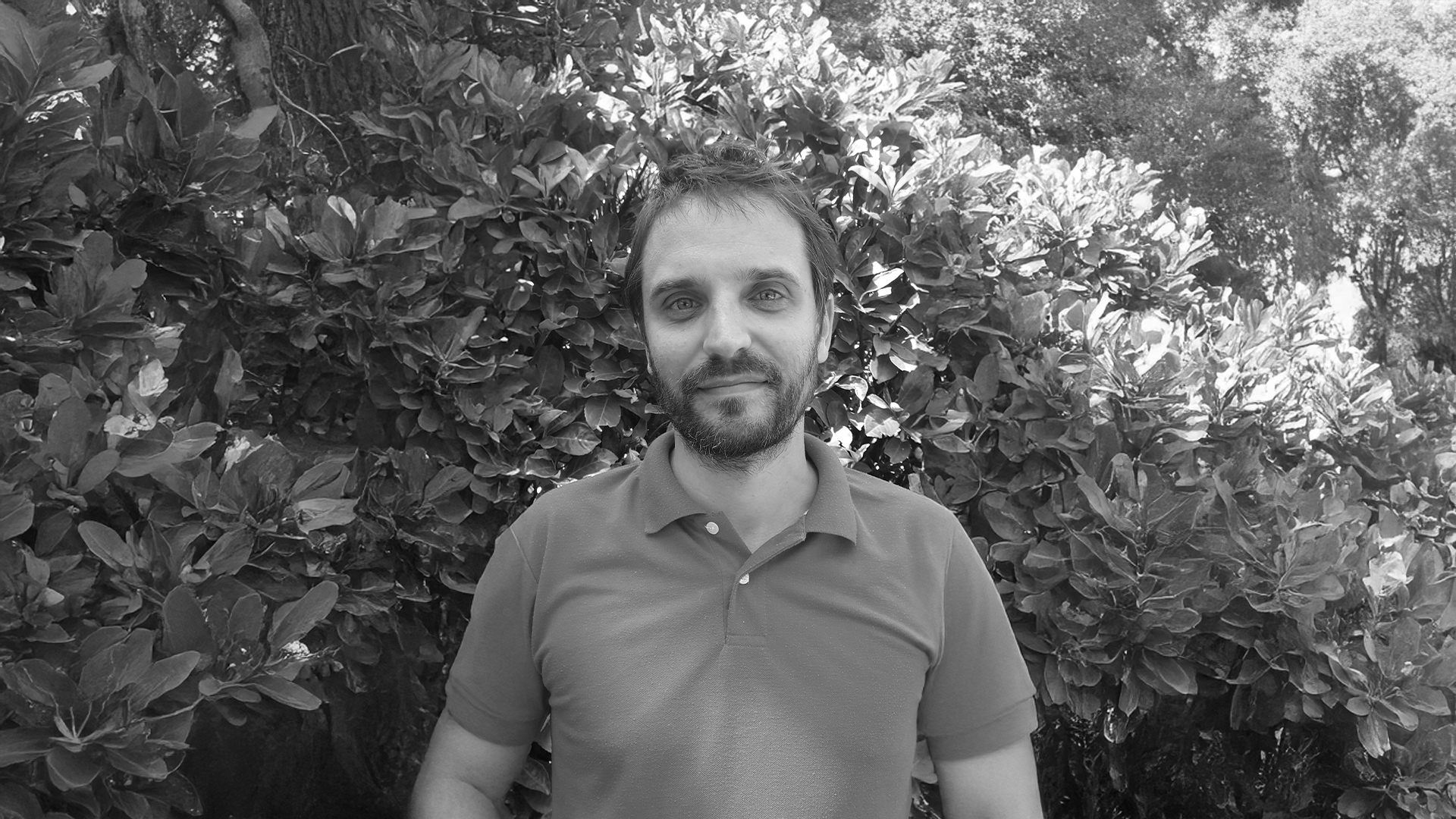
Created in 2003, Terre de liens is a citizen movement in France. It uses the savings of citizens to buy farms. It then rents these farms to farmers who commit to organic farming. It has bought more than 400 farms, where about 800 farmers work on 12,000 hectares.
Each year, it raises about 20 million euros and buys 50 to 60 new farms. Its 1,700 volunteers and 200 employees support about 1,500 people with a farming project every year. For its director, Benjamin Duriez, the goal is "to make land a common good."
Let animals restore the soil
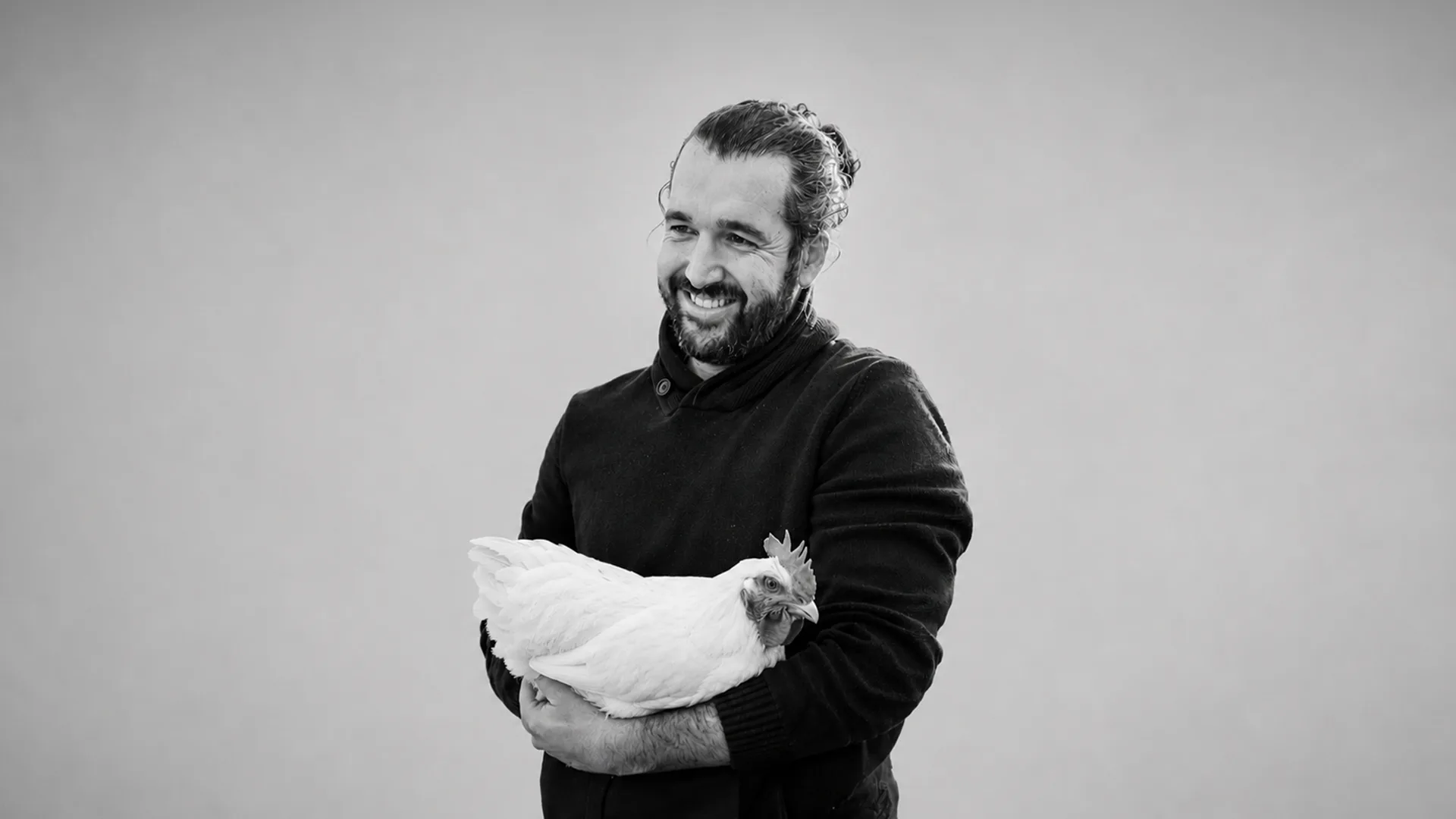
In Extremadura, in Spain, the veterinarian José Luis García de Castro founded Poultree in 2019, without any previous experience in livestock farming. The chickens live in mobile houses on wheels and move to a new field at least every three days. Each cow wears a GPS collar. Every day, he defines their pasture from his phone.
Moving the animals often helps the soil to recover. The farm employs 11 people and sells directly to its customers. It reached break-even last year. For him, consumers do not pay "the real cost of very cheap food" directly: "partly, the animals pay it."
Share the cost of the transition
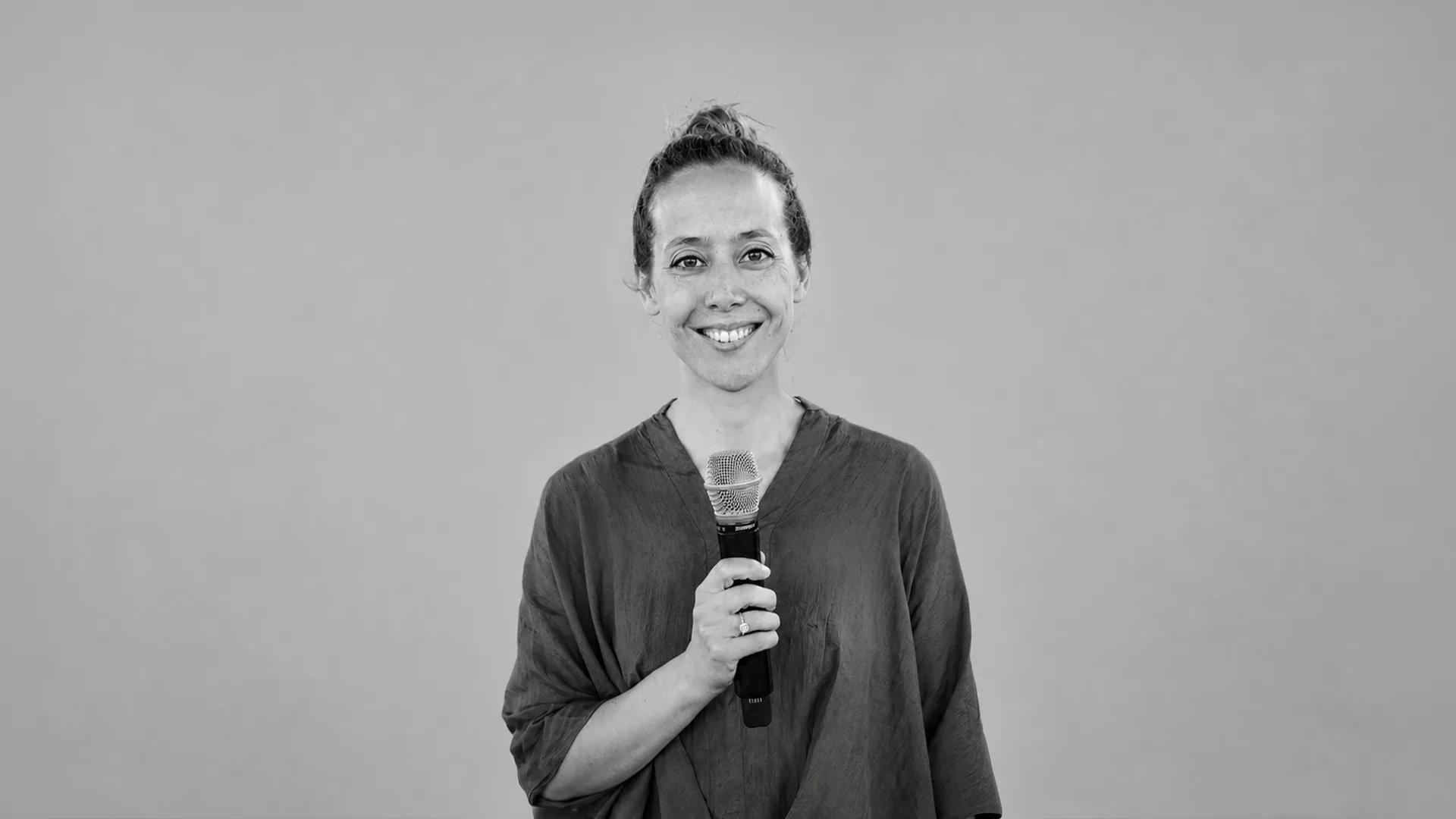
In France, Fermes d'Avenir supports farmers who want to move to agroecology. It trains about 40 apprentices a year on farms, advises farmers and helps them calculate the cost of the transition. It also plants about 10,000 trees a year in about 50 projects.
According to Marion Enzer, its director general, more than 80% of farmers say that money is the main obstacle to more sustainable practices. For her, agriculture is "both the main cause and the main victim" of environmental damage, "but also the main solution."
Elsewhere on impact.info
FEVE (France). Vincent Kraus explains how buying farms with citizen savings helps new farmers to set up in agroecology.
Why Facilitate the Establishment of Farmers Working Towards Sustainable Food?Hectarea (France). Paul Rodrigues explains how individuals can help farmers to finance the ecological transition.
Why is it essential to rebuild connections between farmers and consumers?
Belief 4: "Good eating habits are learned at home"
Verdict: Not only at home.
The facts
In Germany, almost one child in six is overweight or obese, according to Acker e.V. Many children do not know how vegetables grow.
In cities, many families have no garden and little contact with nature. In Marseille, there are about 5 m² of green space per inhabitant, half of the recommended 10 m², according to Le Paysan Urbain.
Grow vegetables at school
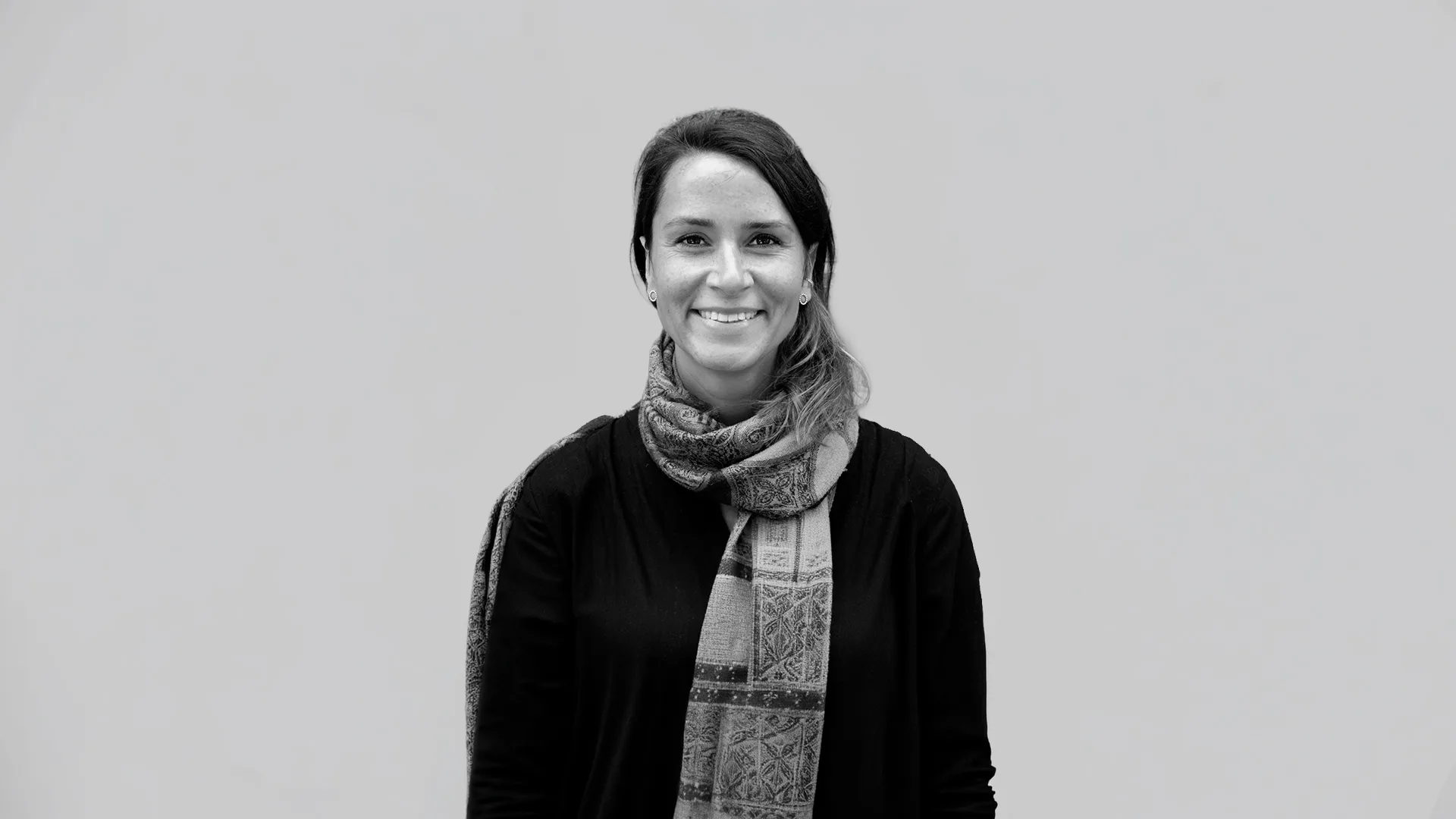
In Germany, Acker e.V. brings vegetable fields to schools, nurseries, companies and care homes. It started in 2013 with a pilot school. Its founder, Christoph Schmitz, created it with his sister, who is a teacher. Today, about 2,000 places take part.
The organisation provides training, teaching materials and volunteer coaches. It supports each place for four years, until it can continue alone. According to Sara Reichau, in charge of press and public affairs, 70% of pupils show more interest in vegetables after the programme. Her comparison: "You do not learn to swim in a classroom."
Grow food inside the city
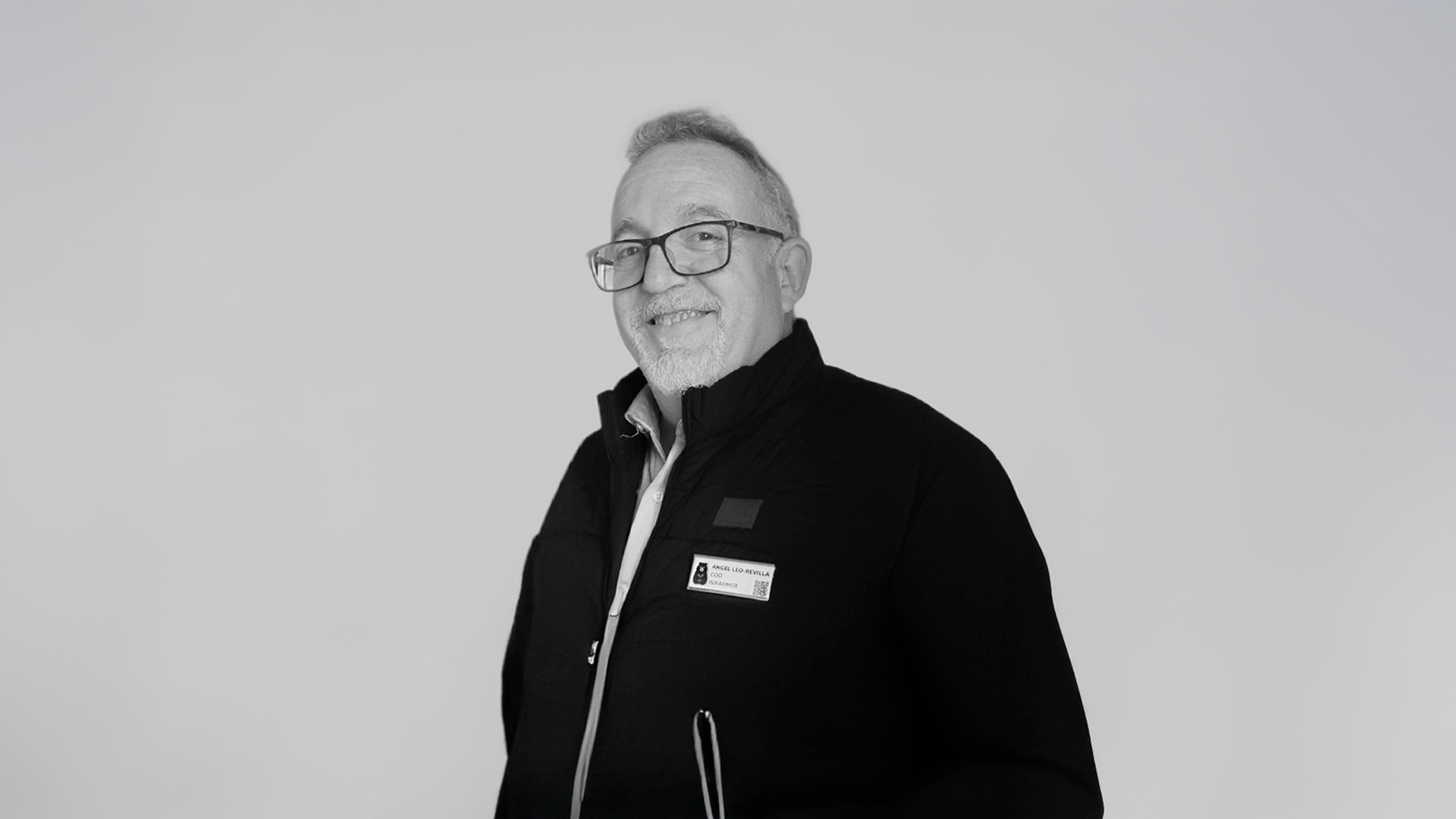
In Madrid, in Spain, Isifarmer installs indoor urban farms in municipal markets and empty spaces. It trains people at risk of exclusion to run these farms as their own business. They do not need money to start or previous experience.
The training ends with a 10-week programme and a certificate from the Universidad Politécnica de Madrid. The goal is not to replace traditional farming, but to shorten the supply chain. For its co-founder, Ángel Leo-Revilla, "we act a lot on the symptoms, but very little on the causes."
Bring nature to working-class neighbourhoods
In the northern districts of Marseille, in France, Le Paysan Urbain grows microgreens, young plants harvested a few days after they sprout. It sells them to restaurants and wholesalers. Last year, it produced 3 tonnes of about 20 varieties. People far from employment work there under contracts of six months to two years.
The association also runs a plant nursery, helps residents and schools to create gardens, and trains young people aged 16 to 25 for jobs in the ecological transition. For its co-director, Claire Moreau, "climate change hits the most precarious people first."
Elsewhere on impact.info
Myfood (France). Matthieu Urban presents a solution that helps families grow their own food at home all year.
Why Take Control of Your Food?La Recette (France). Julie Van Ossel explains how our food choices can change the world.
How Can Our Fork Change the World?
Belief 5: "A food company must choose between growth and its values"
Verdict: Not necessarily.
The facts
Many food brands sell either products for pleasure or products for people who go to the gym, according to La Newyorkina. At breakfast, many quick options sold in train stations are sugary pastries, according to Haferkater.
Growing a food company also requires money. A company must pay for its ingredients long before its customers pay for the products. At La Newyorkina, customers pay 90 to 100 days after the company buys its ingredients.
A healthy breakfast on the go
In Berlin, in Germany, Leandro Burguete, Anna Schubert and Levin Siert founded Haferkater in 2014. The company sells porridge to take away, often in train stations. Organic oats are rolled in the shop every day and cooked with water and salt. The best-selling porridge has no added sugar.
More than 500 people now work in its shops in Germany and Austria. Investors joined the company in 2017. Last year, the founders bought back their shares. Today, no shareholder can take the profits. The company also publishes an "unsustainability report" about what it does not yet do well. For Leandro Burguete, "if you want to be truly transparent, you also have to talk about everything you do not do well."
Grow without giving up local production
In Oviedo, Asturias, in Spain, Pelayo Pérez created La Newyorkina in 2016 after a trip to New York. At the time, granola was almost unknown in Spain. The brand first sold to hotels and franchises. Supermarkets agreed to sell it later.
Today, the company has 36 employees and a turnover of several million euros. It exports to several European countries. All products are made in its own workshops. For Pelayo Pérez, the hardest part of growing was cash. His view: "It is not an Instagram brand. Here, the product is made in our own workshops."
Elsewhere on impact.info
Les Marmites Volantes (France). Ariane Delmas explains how a restaurant company can combine good food, good working conditions and care for the environment.
Why Rethink the Restaurant Model?B de Bocata (Spain). Berta Argenté presents a social enterprise that creates jobs for people who face barriers to employment.
Why a sandwich can change lives?
What they have in common
The five beliefs share one point: they treat food as a matter of individual choices. The 12 initiatives in this dossier show that food also depends on prices, land, training, places and business models.
These initiatives connect people who are often kept apart: farmers and consumers, shops and families, schools and fields.
These initiatives show the real cost of food: on a restaurant menu, in a company report or in the accounts of a farm.
These initiatives give an active role to people who are often excluded: people looking for work, children, new farmers and residents of poor neighbourhoods.
These initiatives come from France, Spain, Germany and the United Kingdom. They respond to problems shared across Europe. Many more can be discovered on impact.info.
Good food for everyone is possible when it is organised for everyone.