






Four common beliefs about climate action
In France, the average carbon footprint is 8.2 tonnes of CO2 per person each year, according to figures cited by Carbo. This is about four times the 2-tonne level generally considered compatible with the Paris Agreement.
Closing this gap will require change at every level: governments, companies, investors and citizens. Each level depends on the others. A company cannot reduce its emissions if it does not measure them. A material cannot replace plastic if it is not competitive. A broken appliance that is thrown away wastes the emissions linked to its production.
Many people still believe that individual actions do not matter, that climate is only a matter for governments, that waste is inevitable or that sustainable products cannot compete.
Belief 1: "Individual actions do not matter"
Verdict: Partly false.
The facts
Individual actions cannot solve the climate crisis alone. But they are not negligible. According to the consultancy Carbone 4, realistic individual changes could reduce the French carbon footprint by about 25%, and up to 45% in a very ambitious scenario. The rest depends on companies and public policy.
Individual action also goes beyond consumption. Citizens can share information, protect natural spaces and support local projects.
Turn walking into a daily habit
WeWard rewards users with points when they walk. "Our objective is not screen time, it is walking time," explains co-founder Tanguy de la Villegeorges. The app now has more than 30 million users worldwide. According to him, recent studies show that 7,000 steps a day can already bring significant health benefits. Walking also reduces emissions when it replaces car journeys. "At first, we were mostly thinking about health. It was only later that we measured our ecological impact."
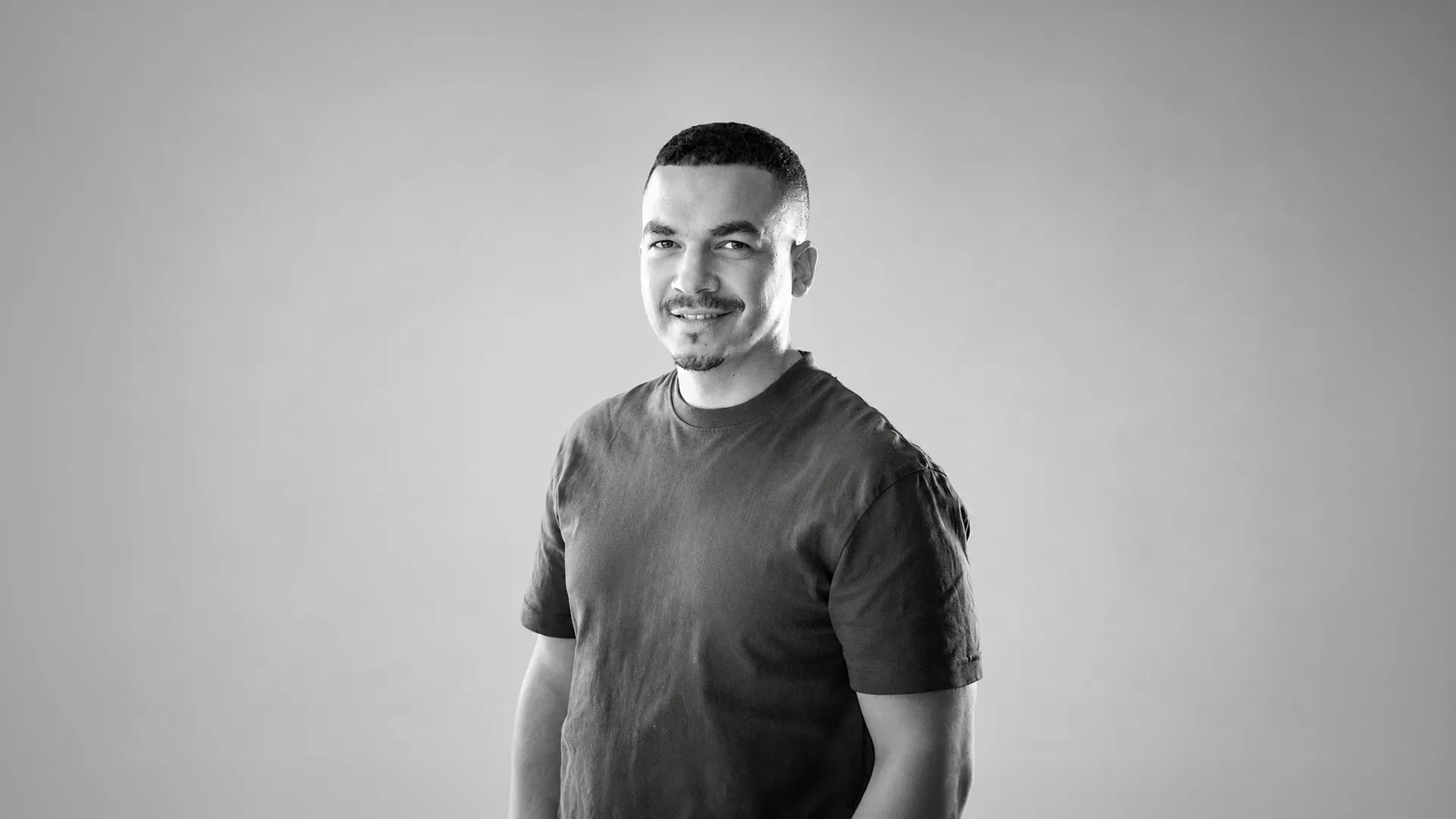
Turn citizens into a wildfire warning network
Anthony Montardy, a volunteer firefighter, created the Feux de forêt app. After contacting emergency services, citizens can report a fire and share photos. Reports are checked with an AI reliability score and reviewed by volunteers. "We do not replace firefighters or the prefecture. We bring together, in one place, information that today is scattered," he explains. The app has close to 800,000 users. "At that time, wildfires were mainly concentrated around the Mediterranean region. Today, they affect a majority of French départements."
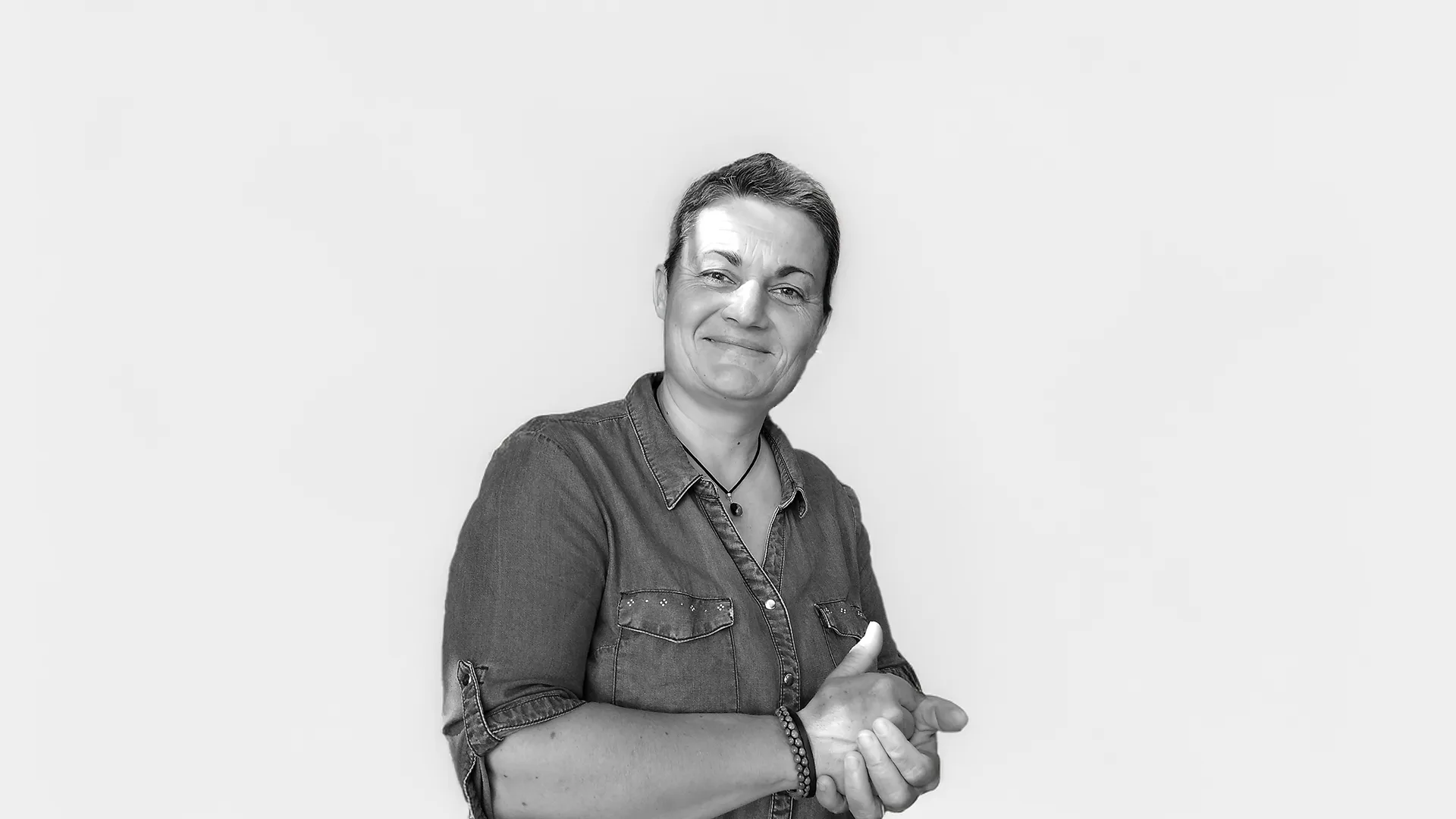
Protect small forests forever
Three-quarters of French forests are privately owned, and most owners hold less than one hectare. Forêts en Vie acquires small forest plots through donations and legacies and protects them permanently from speculation. They are made available to local associations. "Forests are the water we drink," says Nathalie Naulet, project development coordinator. "They are also the air we breathe." Anyone can contribute through a donation or by starting a project.
Elsewhere on impact.info
Citiz Occitanie (France). Alexandre Jouaville explains how giving up car ownership can change the city and daily life.
Why Giving Up Car Ownership Can Change the City and Life?Locaverre (France). Valérie Dumesny explains why changing our habits matters, starting with reusable bottles.
Why Accept to Change Your Habits?Trees For Cities (United Kingdom). Roddy Shaw explains how parties and raves helped communities plant close to 2 million trees.
How did selling tickets to parties and raves end up bringing communities together to plant close to 2 million trees?
Belief 2: "Climate is a matter for governments, not companies"
Verdict: False.
The facts
Global climate finance reached 1.9 trillion US dollars in 2023, according to the Climate Policy Initiative. But only 196 billion dollars of international climate finance went to emerging and developing economies, where emissions are growing fastest and climate impacts are often the strongest.
Companies and investors decide where much of this money goes. Their choices matter as much as public commitments.
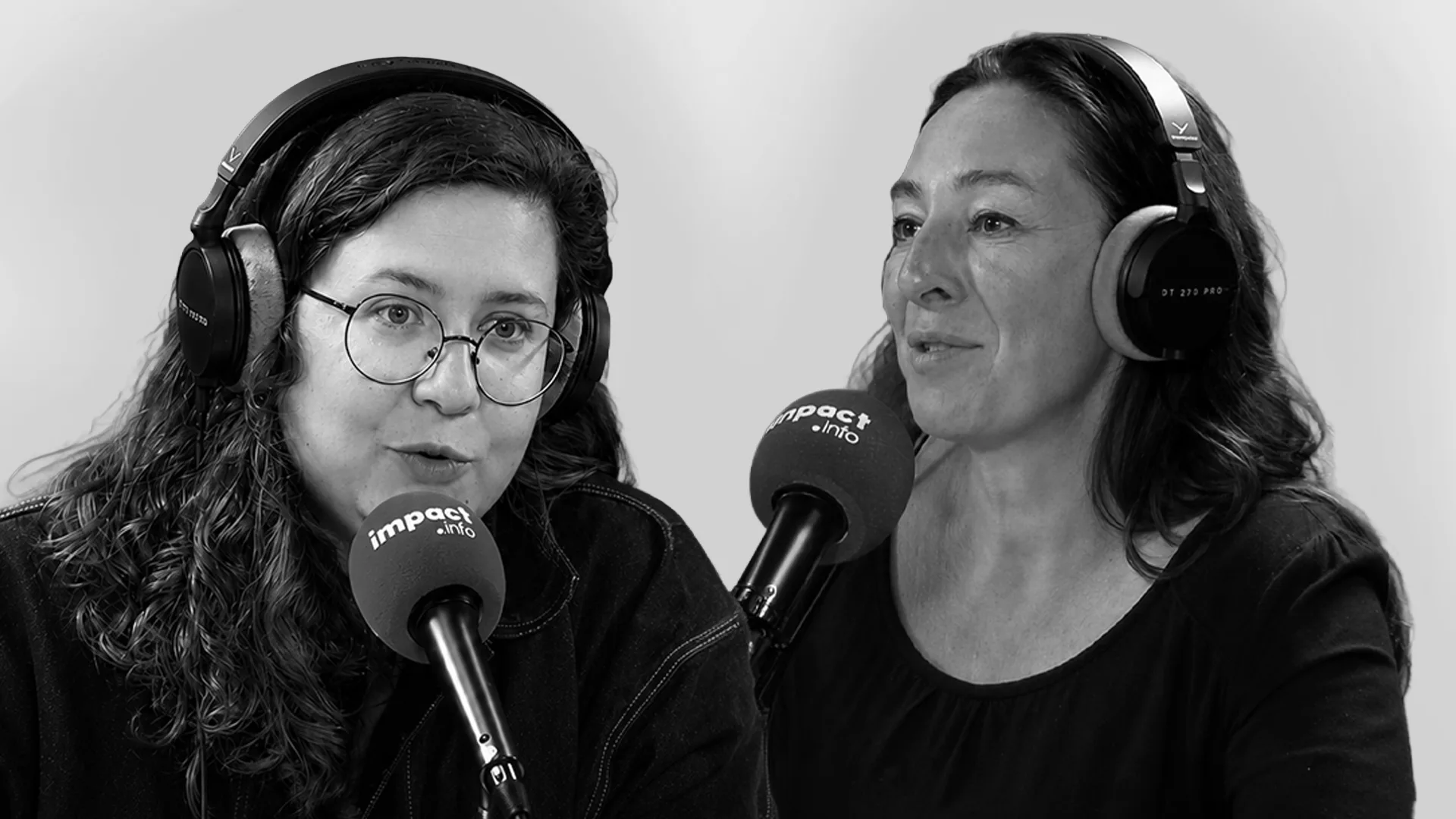
Measure emissions to reduce them
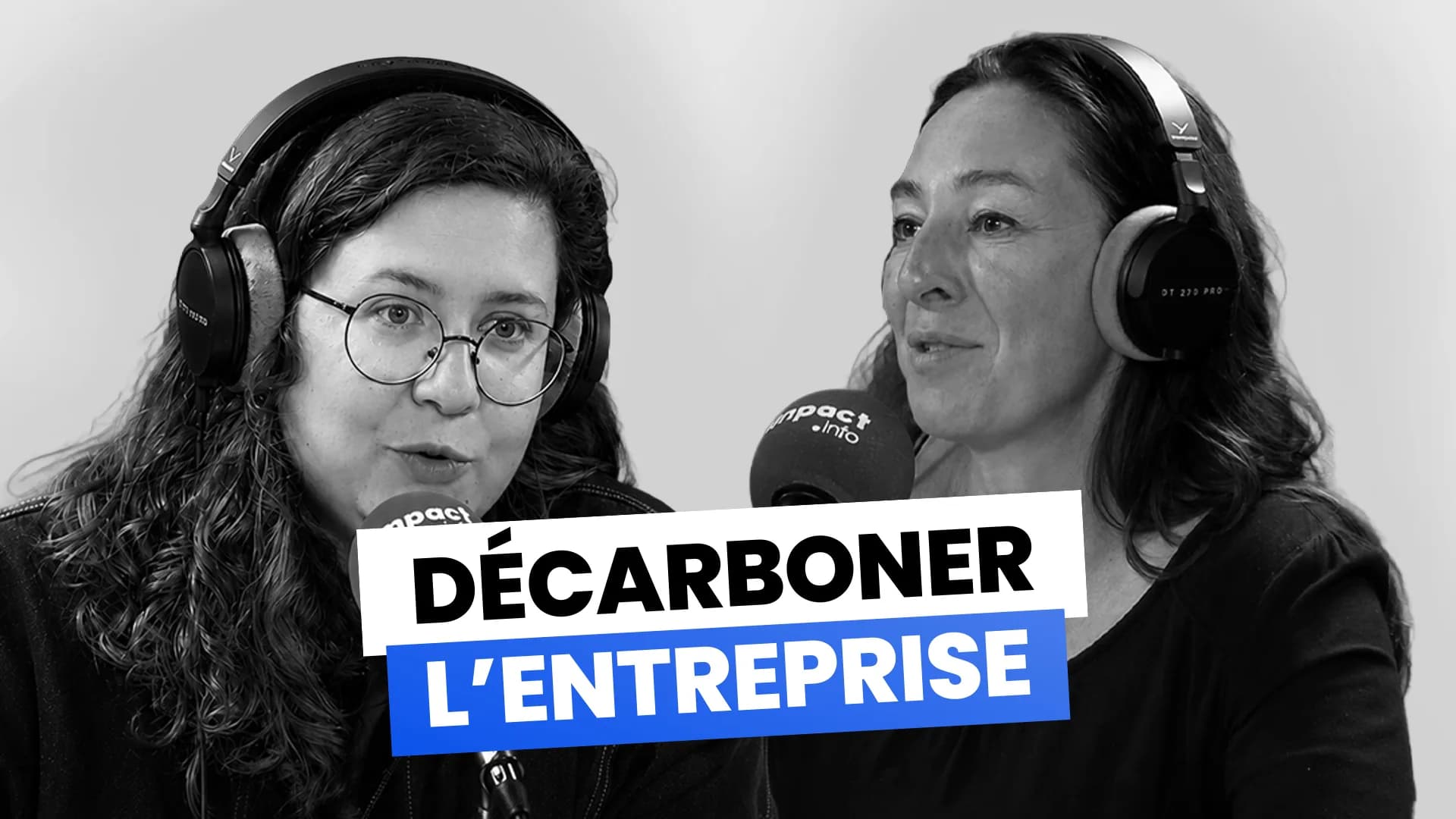
For Anouk Jugla of Carbo, "we cannot over-blame individuals for a problem that is global." Companies need clear information about their own emissions. The process starts with a carbon audit that identifies the main sources of emissions and the actions to reduce them. "What we can measure, we can reduce," she says. Carbo applies these principles to itself: it publishes its own carbon audit, encourages train travel and has tested a four-day working week since 2023.
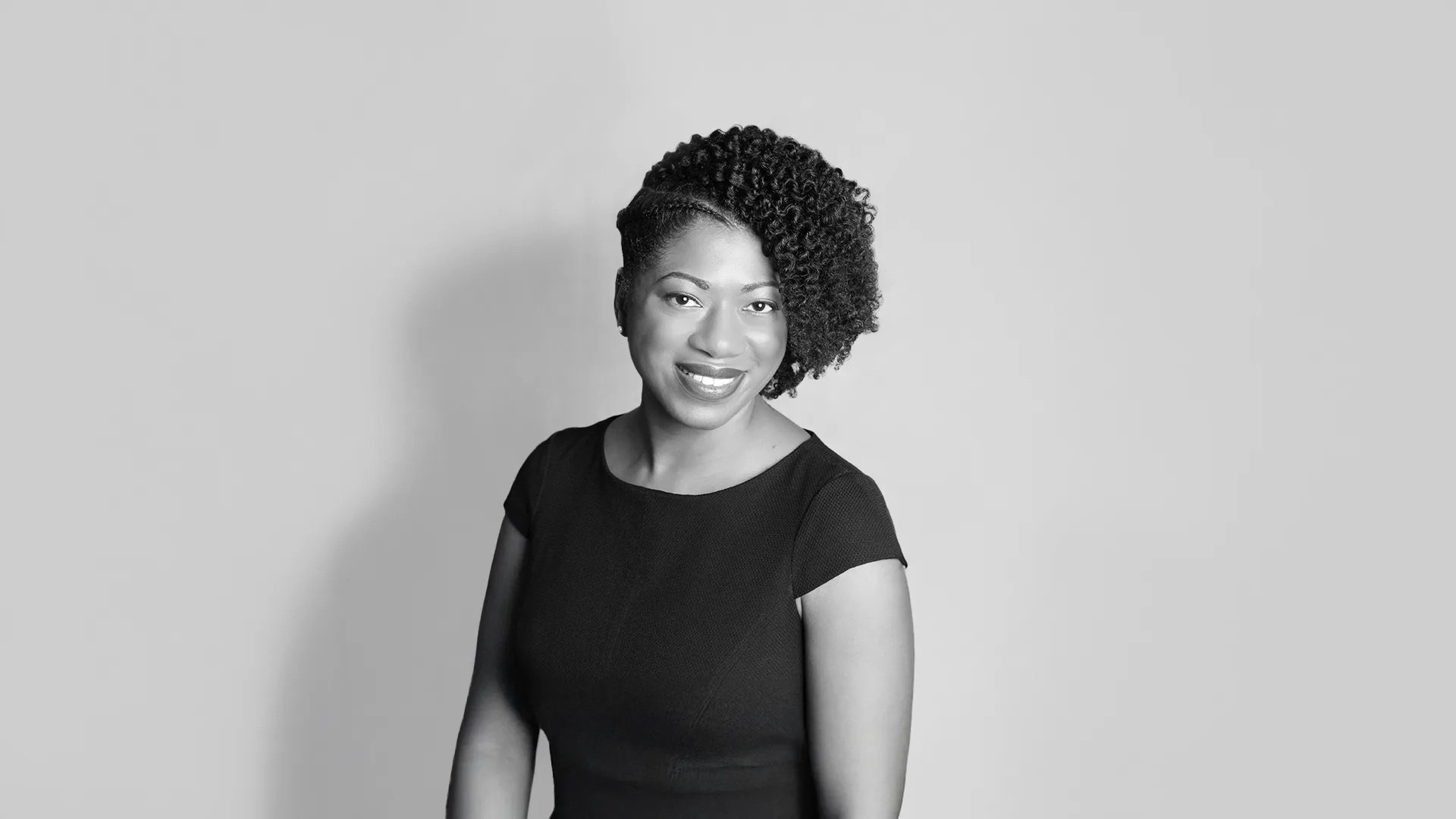
Direct climate finance to the global south
Marilyn Waite is the managing director of the Climate Finance Fund. "Between 3 to 15% of climate capital crosses the border into lower- and middle-income countries," she says. Yet this is where most emissions growth and the largest climate impacts are. The fund works behind the scenes to change the rules of finance and invests directly to show that climate projects in emerging markets are possible. "So lots of money is being left on the table by excluding the global south from one's portfolio."
Turn captured carbon into a raw material
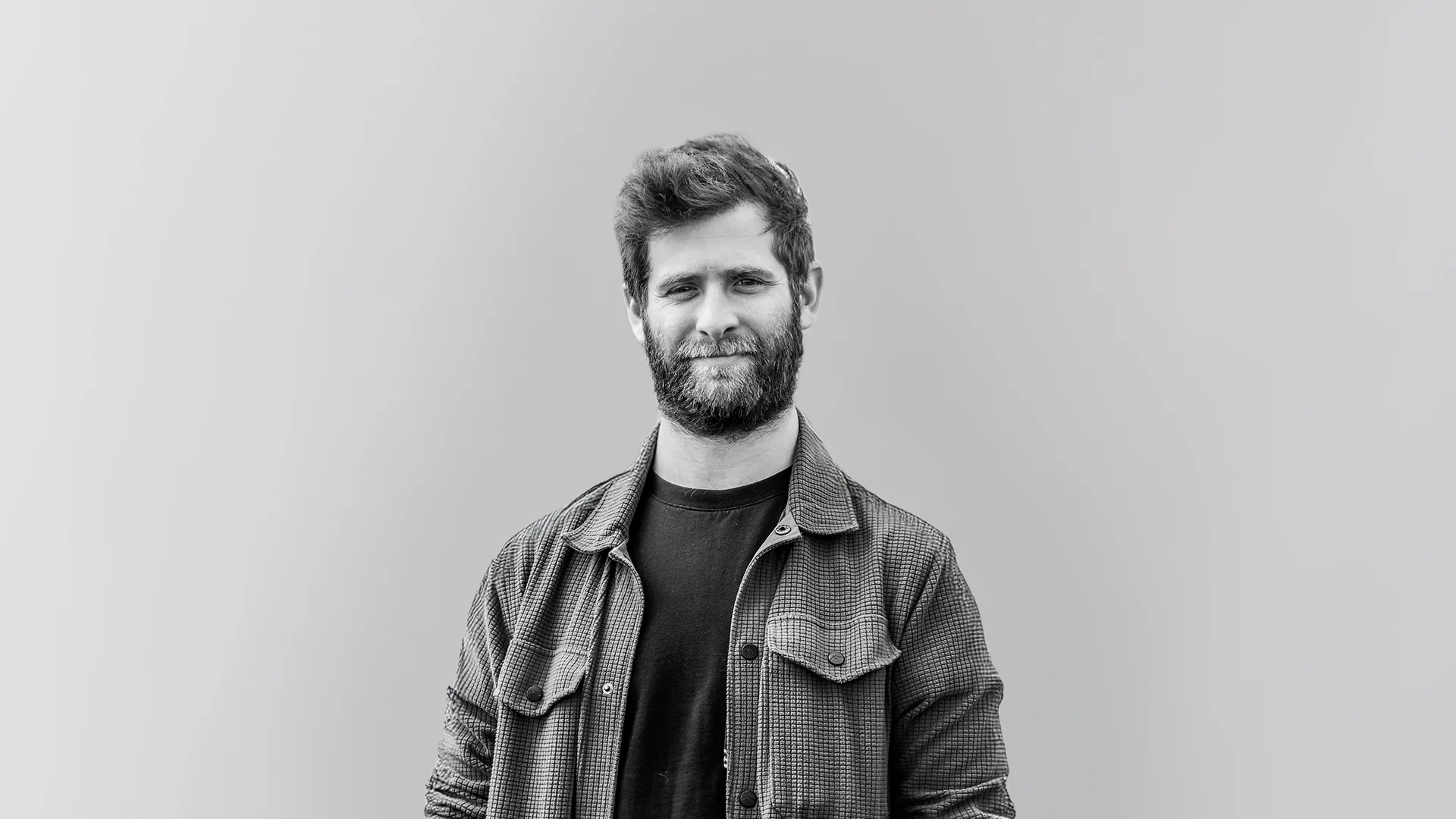
Nicholas Chadwick, Shiladitya Ghosh and Gaël Gobaille-Shaw founded Mission Zero in the United Kingdom. The company captures CO2 directly from the air. Instead of only storing it underground, it supplies the captured carbon to industries that can use it in building materials, food or aviation fuel. "We have endless uses for that CO2," the founders say.
Elsewhere on impact.info
The Impact Investing Institute (United Kingdom). Hughie Stanley explains why investment in a just transition matters.
Why push for investment in the Just Transition?
Belief 3: "Waste is inevitable"
Verdict: False.
The facts
In 2022, the EU generated about 132 kg of food waste per inhabitant, or 59 million tonnes in total, according to Eurostat. Households were responsible for 54% of it.
Waste is often created by standards, habits and supply chains: fruit that is too small, oil that is thrown away or appliances that are replaced instead of repaired.
Create a market for imperfect produce
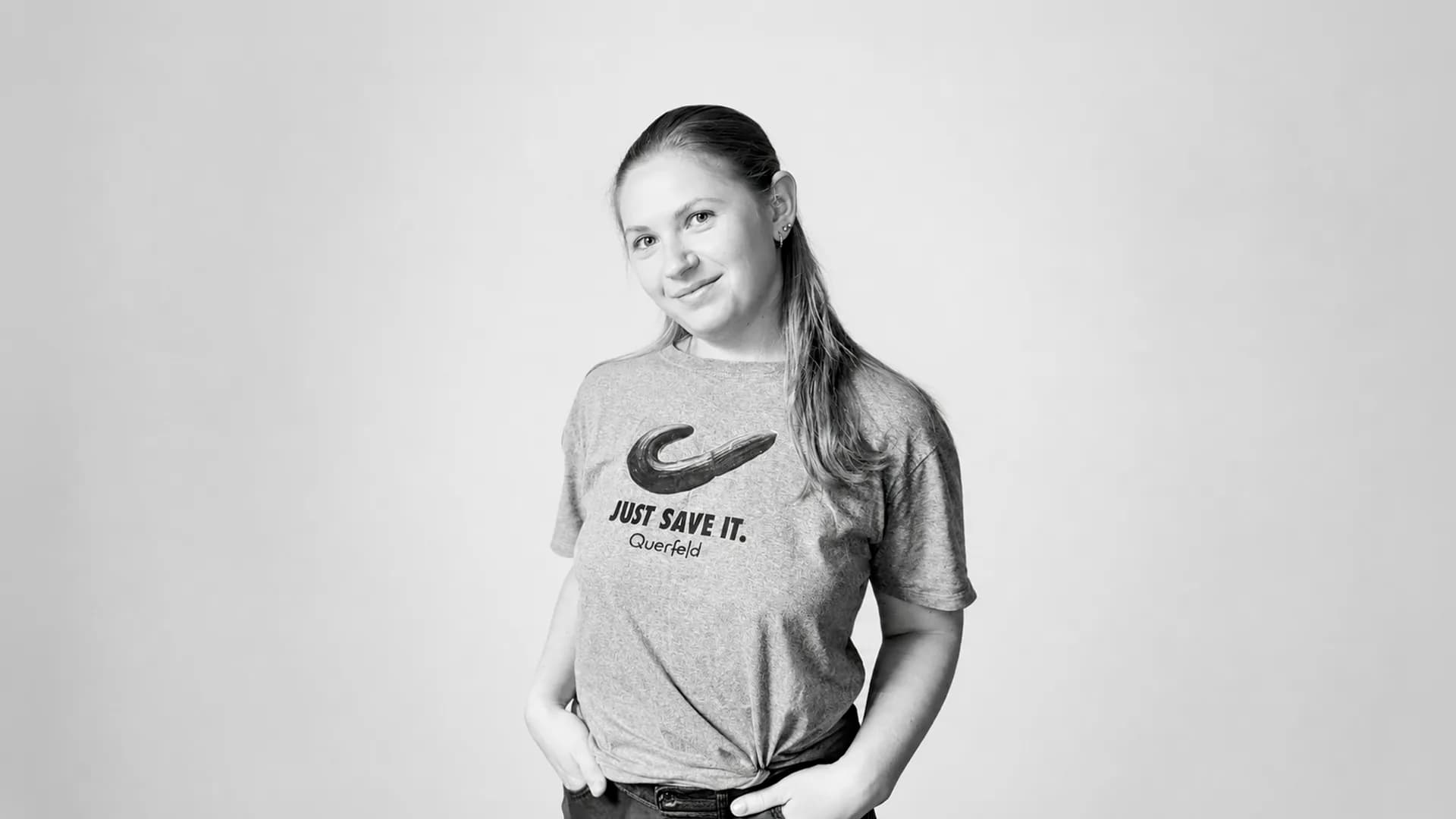
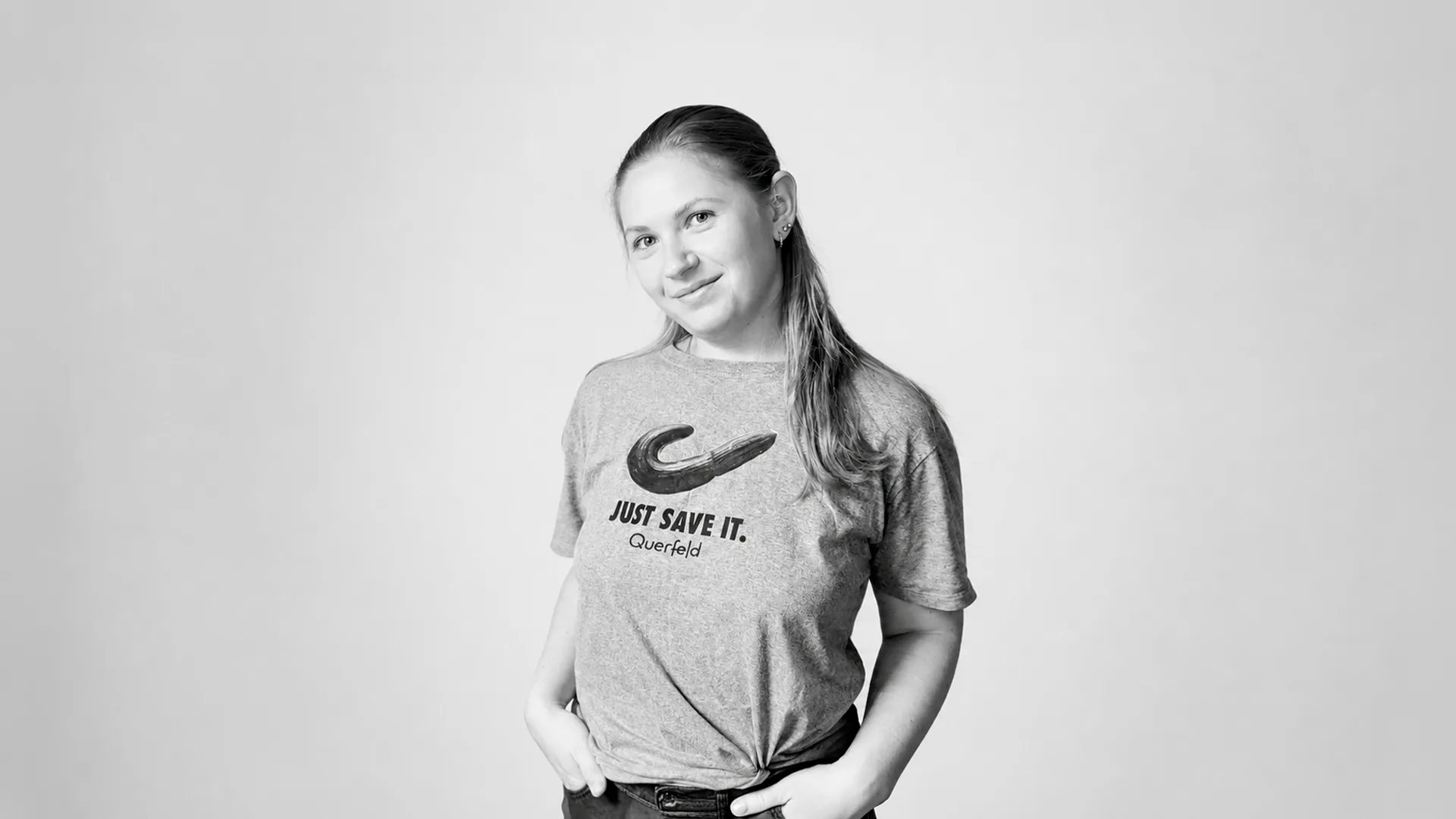
Querfeld, in Germany, sells fruit and vegetables that do not meet cosmetic standards to daycare centres, canteens and restaurants. Nearly 11 million tonnes of food are thrown away in Germany every year, according to the Federal Environment Agency. Querfeld organises its supply around demand, so that it does not create new losses. "The plant was planted, it used land, it needed water to grow. It's simply sold a little cheaper because of its shape," says coordinator Yana Graf.
Turn used cooking oil into cleaning products
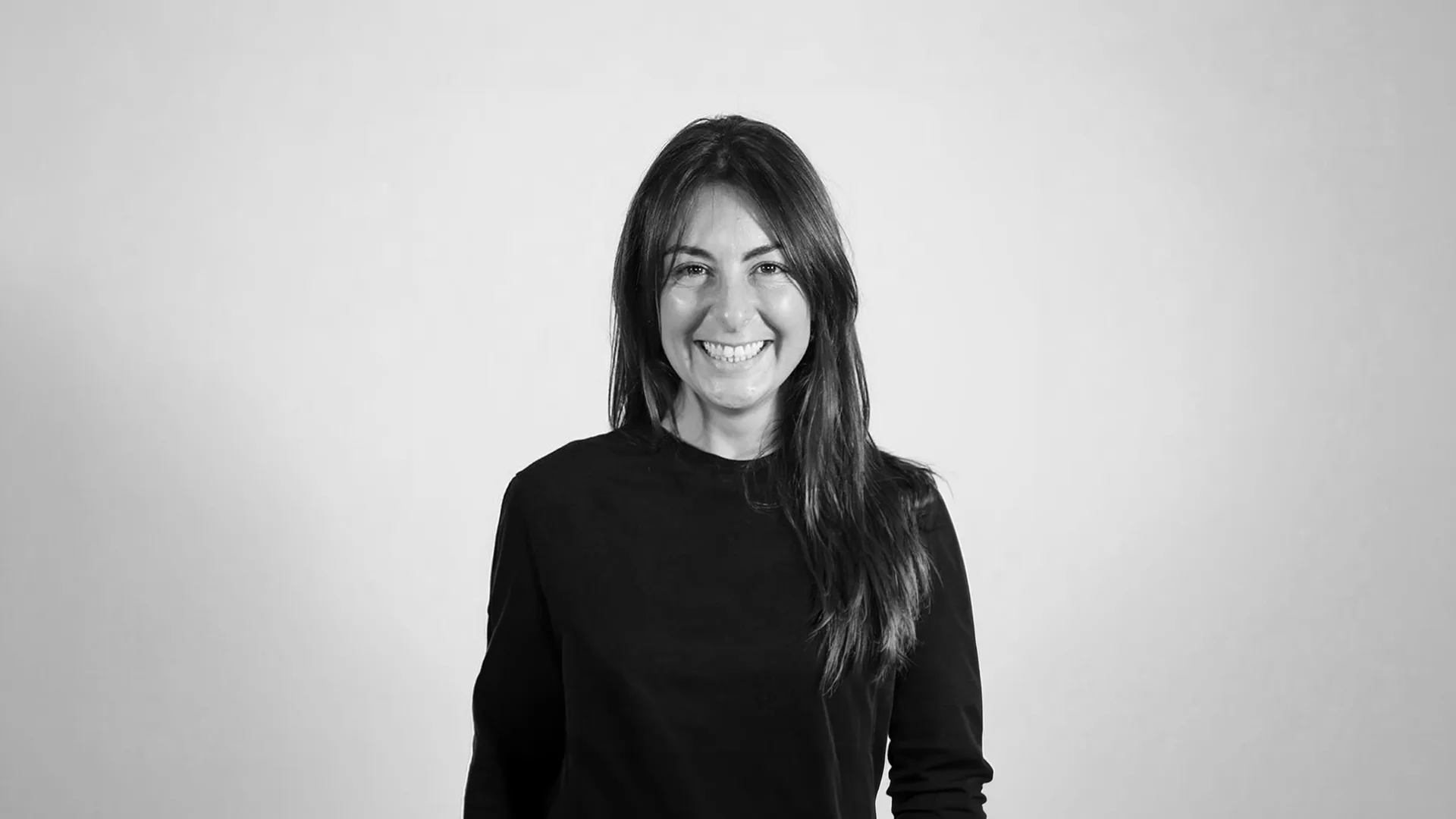
Catalina Trujillo co-founded Souji in Spain. Its device allows restaurants and hotels to transform their own used cooking oil into cleaning products on-site, in a few minutes, without corrosive or toxic substances and without heat. This reduces transport and waste-management costs. "No corrosives, no toxins, in just a few minutes," she says.
Repair instead of replace
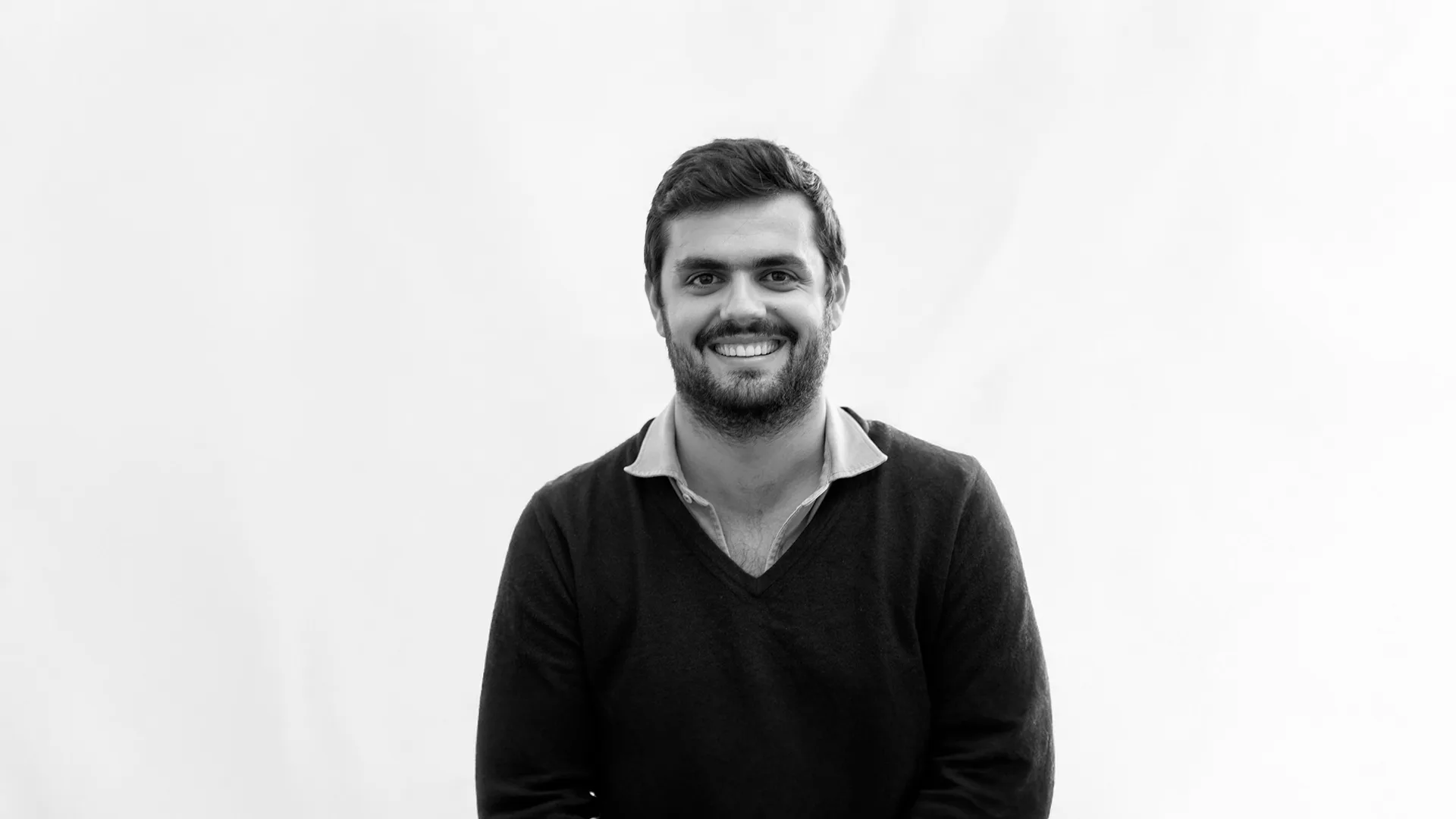
Murfy, co-founded by Guy Pezaku, has built a nationwide repair network with salaried technicians in France. The company repairs appliances in more than 83% of cases, and trains its own technicians because there are fewer and fewer of them. Producing a washing machine generates around 300 kg of CO2. Repairing one generates around 12 kg. "Because the best fridge is the one already in your kitchen," Pezaku says.
Elsewhere on impact.info
Comerso Iberia (Spain). Juan Ángel Martín explains why fighting waste can be profitable for companies.
Why fighting against waste can be profitable for a company?Plastic Repair System (Spain). Alfredo Neila explains why repair could become a pillar of the circular economy.
Why Repair Could Be the New Pillar of the Circular Economy?Phenix (France). Simon Baldeyrou explains the concrete impact of fighting food waste.
Why fighting food waste can have a very concrete impact?
Belief 4: "Sustainable products cannot compete"
Verdict: Partly true.
The facts
In 2022, the average EU citizen bought 19 kg of clothing, footwear and household textiles, up from 17 kg in 2019, according to the European Environment Agency. 85% of household textile waste was not collected separately.
Cheap, fast and polluting products still dominate many markets. Sustainable alternatives often cost more, because the price of pollution is not fully included in the price of conventional products.
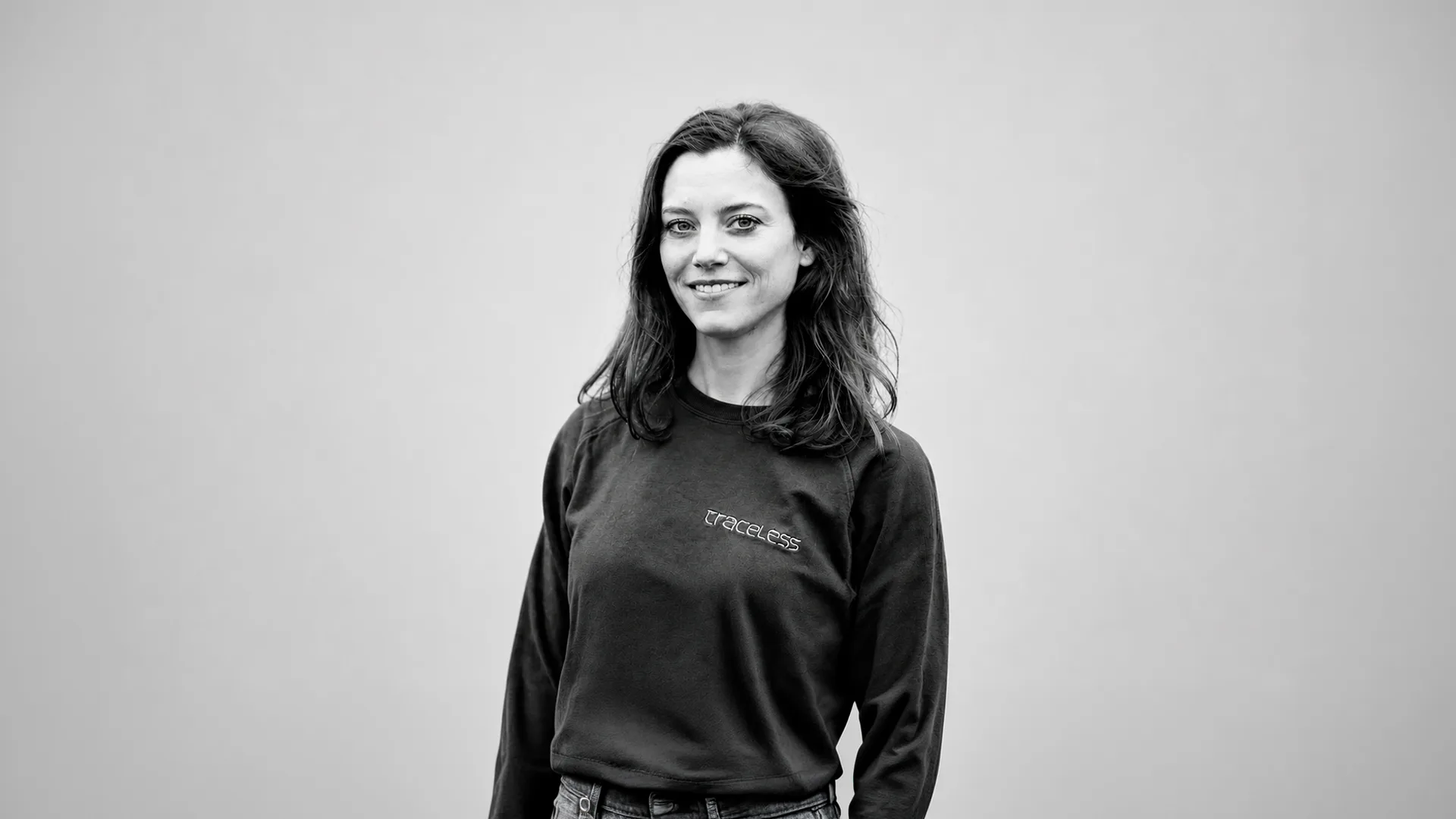
Replace plastic with plant residues
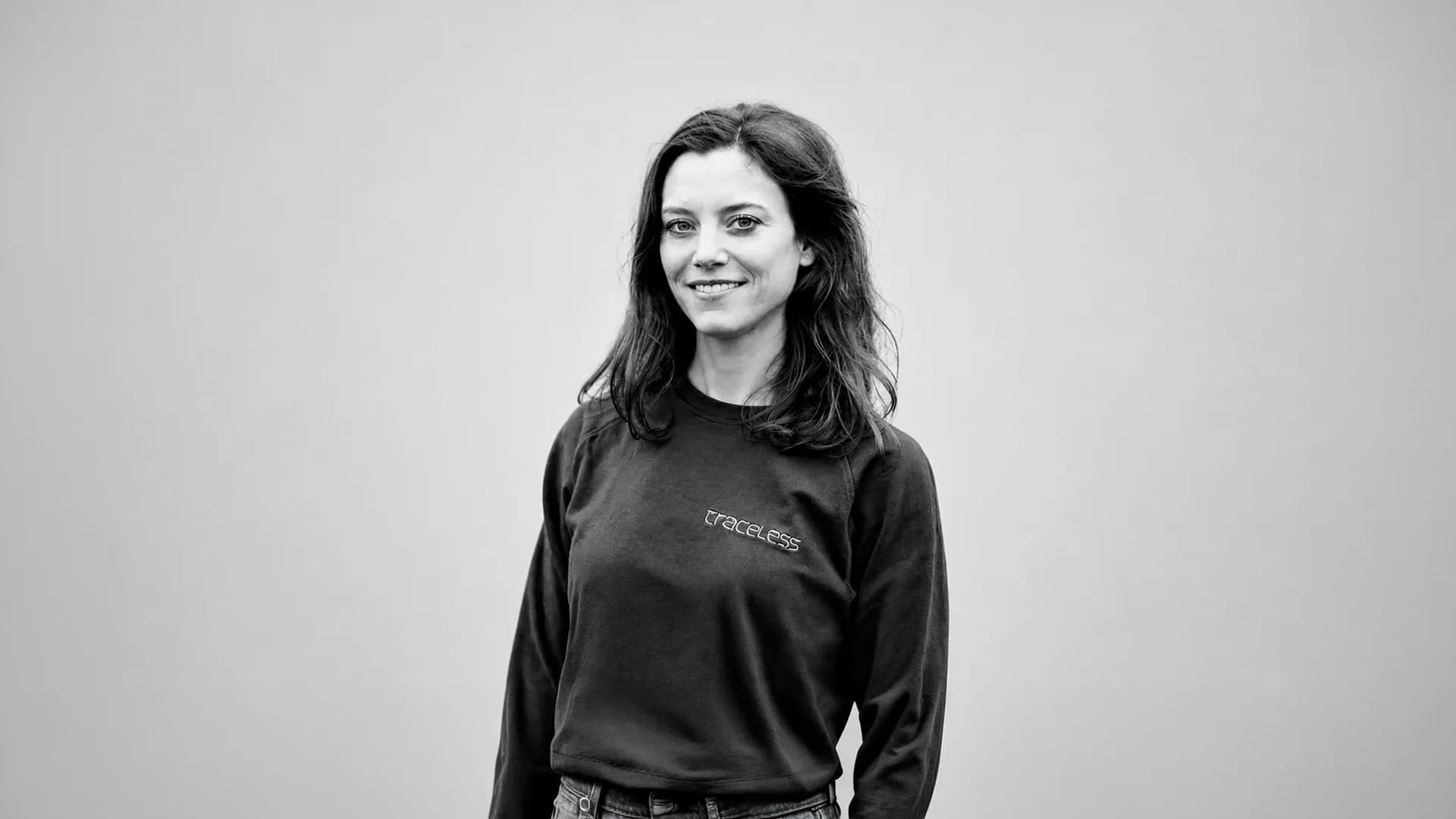
Traceless, founded by Anne Lamp in Hamburg, Germany, uses plant residues from food and bioethanol production to create a natural material that looks and performs like plastic. "Traceless means leaving no trace," explains Isabel Thoma. The material can return to the biological cycle after use. But plastic remains cheaper. For Thoma, changing the way CO2 is priced would help companies invest in bio-based materials.
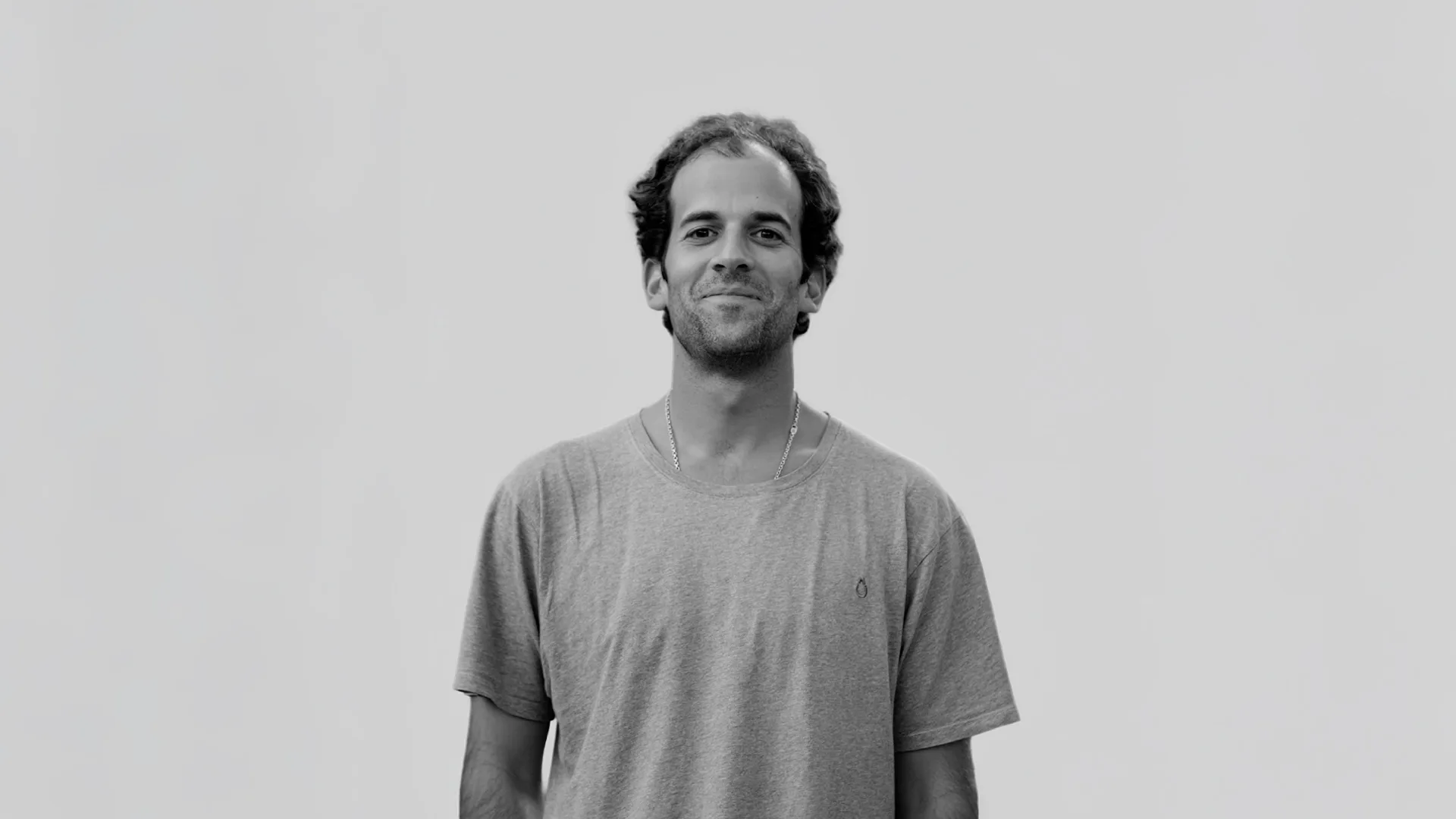
Use an everyday product to finance water
Auara, in Spain, sells bottled water like any other brand and uses part of its profit to finance wells, sanitation and rainwater collection in vulnerable communities. "We wanted to compete with a real product and prove that it is possible to do business while generating positive social and environmental impact," says co-founder Pablo Urbano. The company also uses recycled packaging.
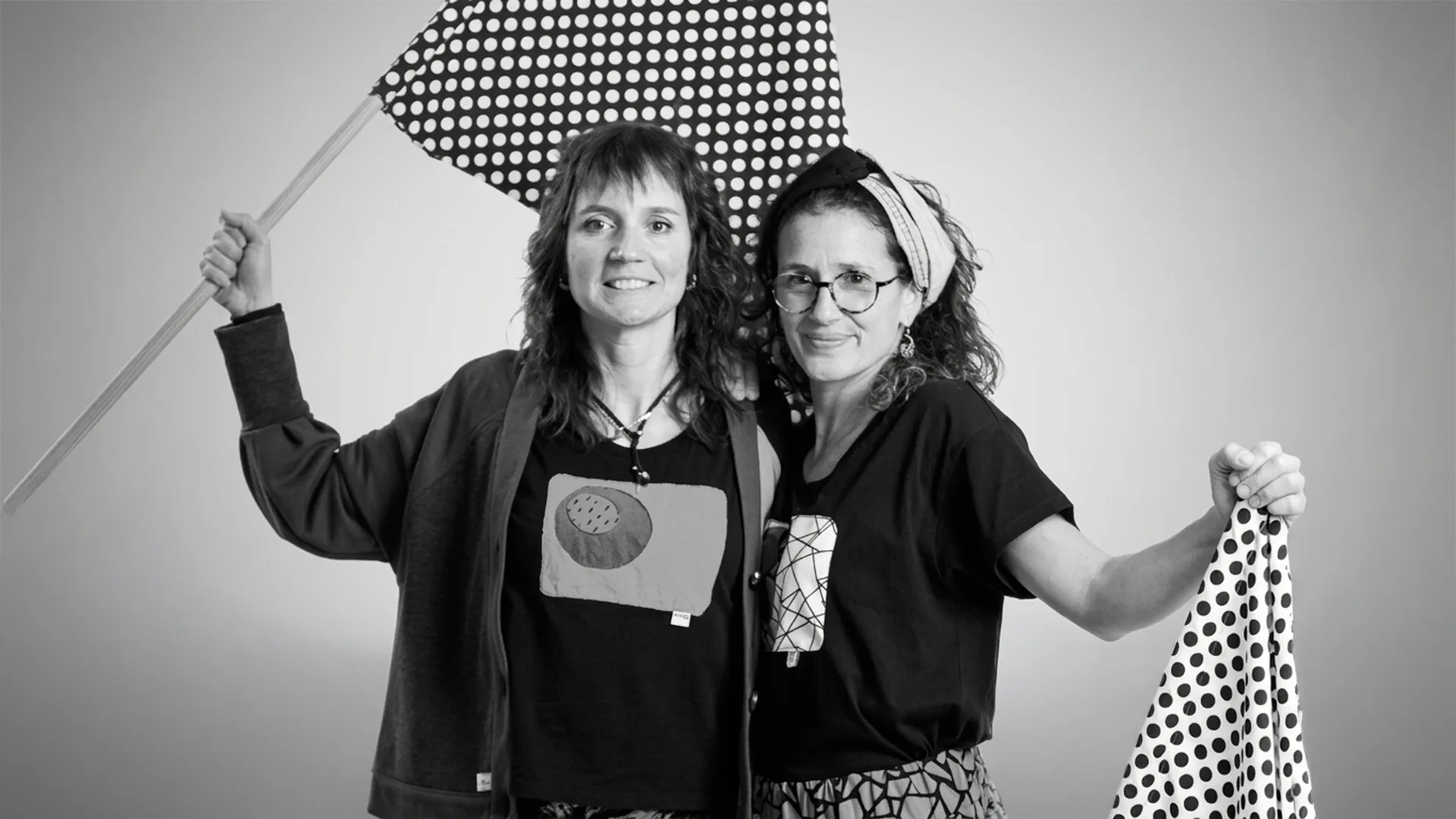
Show the real value of clothes
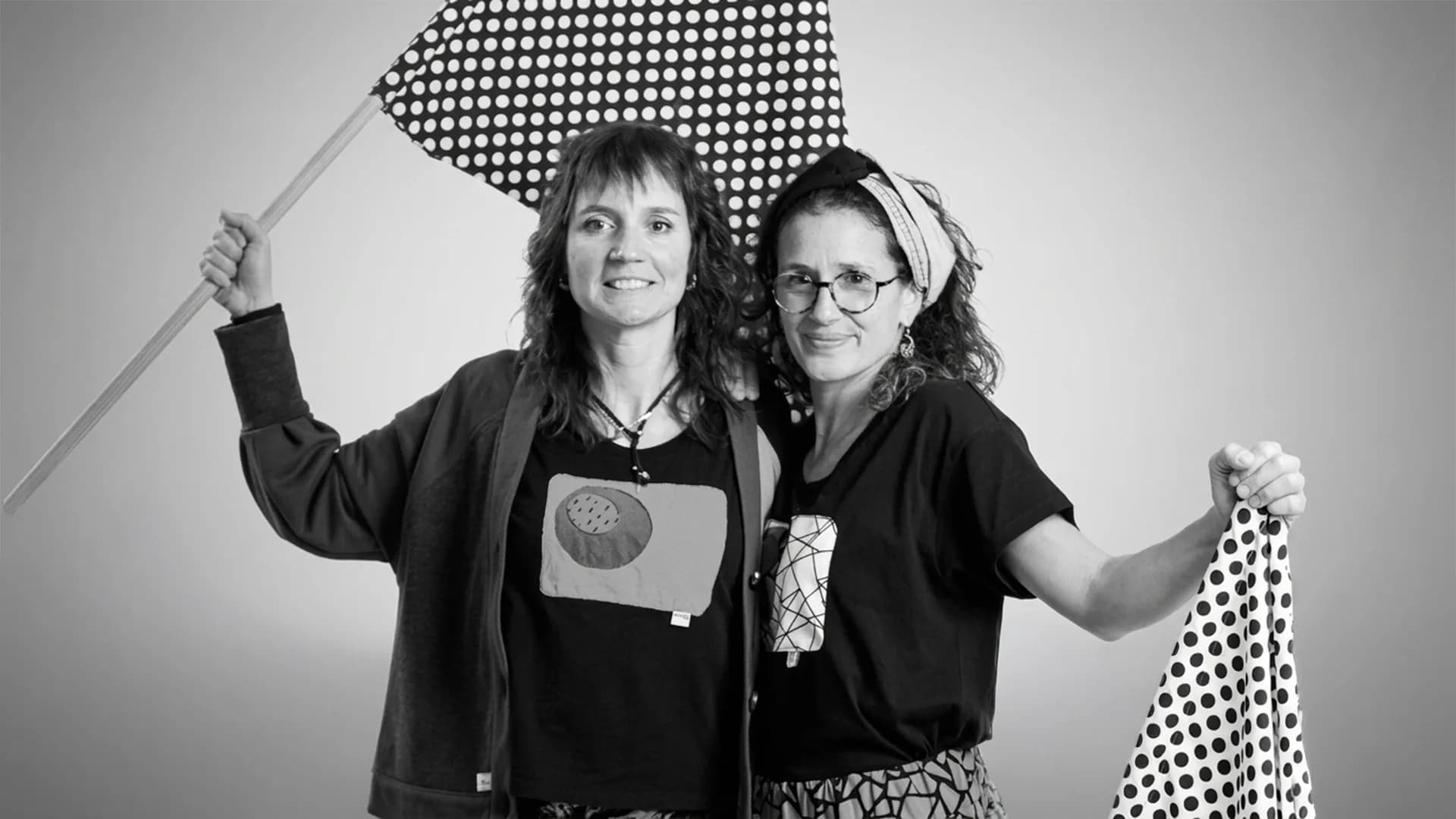
Planeta Dots travels in a caravan to schools, villages and companies in Spain to run sewing workshops. "Sewing makes the value of things visible. We consume without thinking, but we have no idea how much time that work actually takes," explains co-founder Roser Giralt. When the caravan broke down in 2022, the project's community helped it continue.
Elsewhere on impact.info
Recovo (Spain). Mónica Rodríguez explains why leftover fabrics are key to sustainable fashion.
Why are leftover fabrics key to fashion sustainability?Minuit sur Terre (France). Marie Gauduin explains why she chose to make eco-friendly shoes.
Why Invest in Eco-Friendly Shoes?
What they have in common
The four beliefs share one point: they look for a single culprit or a single solution. The 12 initiatives in this dossier show that climate action works at every level at the same time.
They make sustainable habits easier: walking, repairing, reusing and sharing information.
They give companies and investors tools to measure and redirect their impact.
They turn waste into resources: imperfect vegetables, used oil, captured carbon and plant residues.
These initiatives come from France, Spain, Germany and the United Kingdom. They respond to challenges shared across Europe. Many more can be discovered on impact.info.
Climate action becomes effective when the right habits, materials and capital are available to everyone who can act.