Five common beliefs about our territories
Where we live shapes our lives. It shapes access to work, housing, care, shops and friends. Across Europe, many people feel that their village, small town or neighbourhood has been left behind.
In 2025, more than one person in five living in rural areas of the European Union was at risk of poverty or social exclusion, according to Eurostat. That is about 23 million people.
Many people still believe that the countryside is emptying for good, that loneliness only exists in big cities or that the future of a place is decided by experts.
Belief 1: "The countryside is emptying for good"
Verdict: Partly true.
The facts
Between 2015 and 2020, predominantly rural regions of the European Union lost on average 0.1% of their population each year, according to Eurostat. The number of working-age people fell by 0.6% per year. The number of people aged 65 or over rose by 1.8% per year.
But in the same period, 108 rural regions grew quickly. Many people want to live in the countryside. They often cannot find a job or a home.
Turn abandoned land into jobs
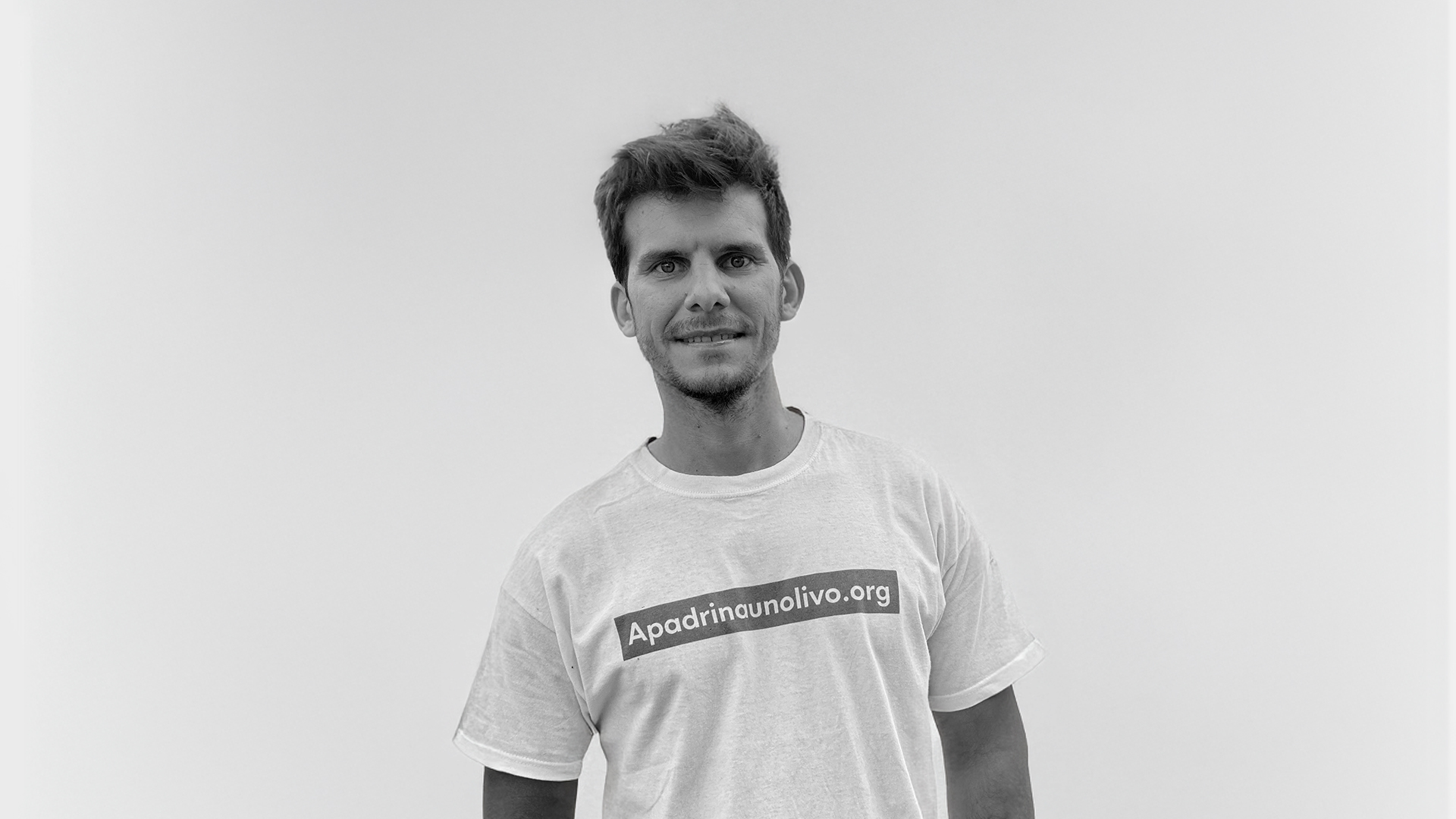
In 2014, a group of young people from Oliete, a village of about 350 inhabitants in Teruel, Spain, created Apadrina un olivo. Many were grandchildren of local residents. The village had 100,000 abandoned olive trees. People around the world can now sponsor a tree. In return, sponsors receive two litres of olive oil and an invitation to visit the village.
According to its co-founder, José Alfredo Martín, the project has created 46 jobs. Many of these jobs are held by people who moved to the village. The local school went from 4 to 24 children. About 3,000 visitors come each year. The main challenges today are a lack of workers and a lack of housing.
Build homes that bring families back
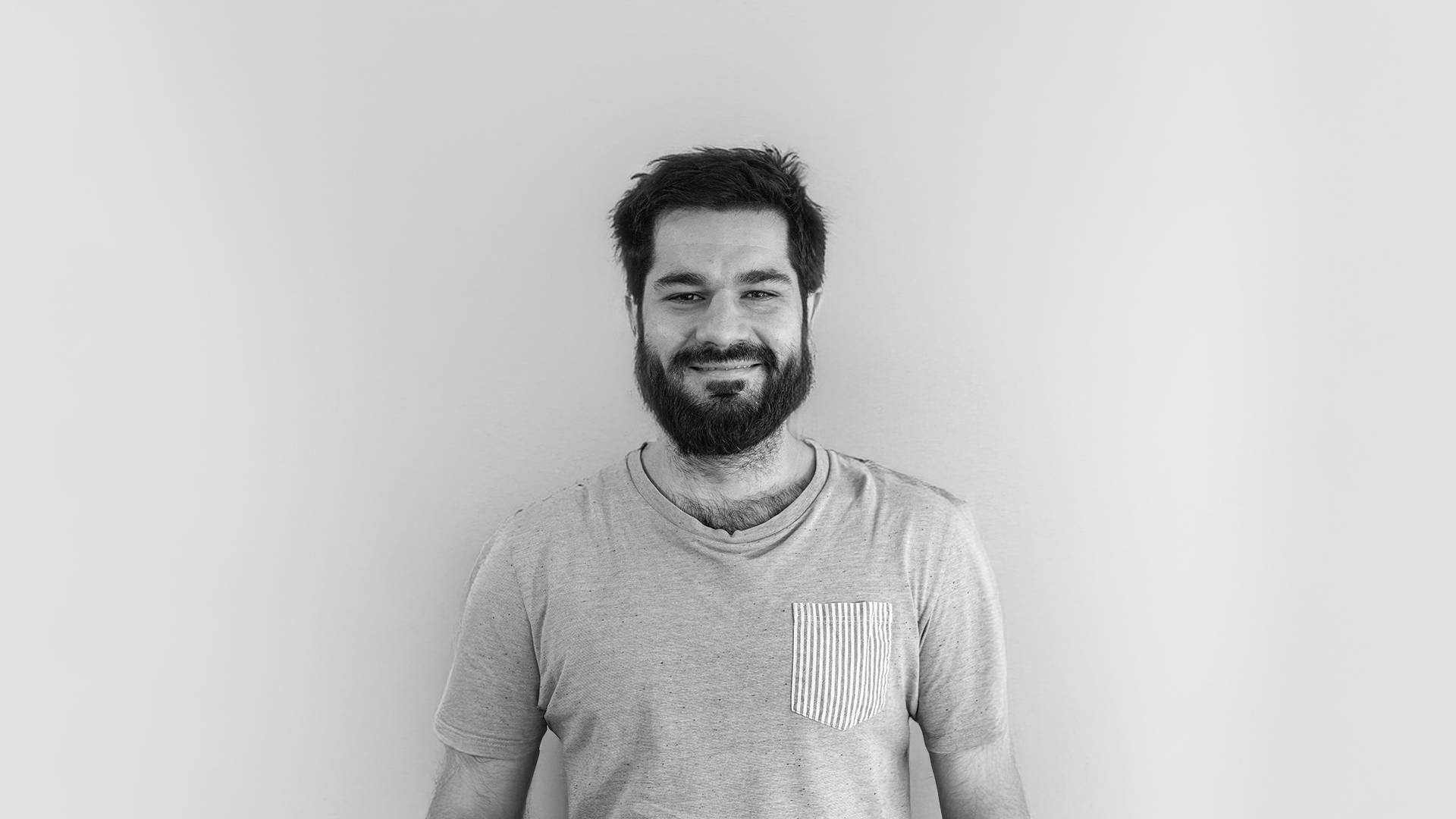
In France, Hameaux Légers was born in 2017 in a village in southern Ardèche. The village had too many second homes and an ageing population. The association helps small municipalities build groups of 5 to 15 ecological houses for families who live there all year.
Residents own their house but not the land. If they sell their house, they cannot make a profit. They share a common house and manage the group together. According to its co-founder, Sevak Kulinkian, these choices together make the homes 35% to 75% cheaper than other homes on the market.
Live from a local resource
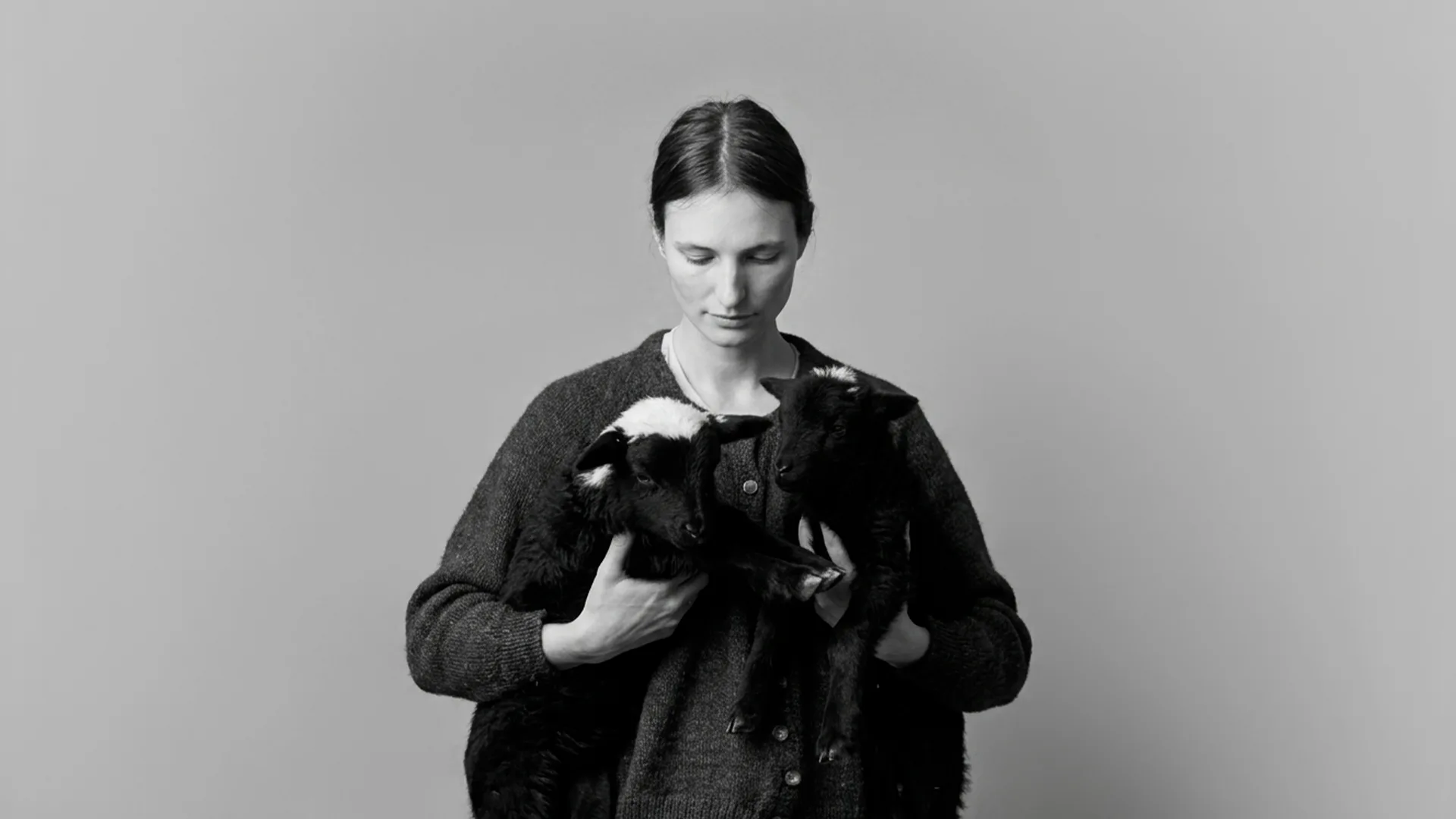
Marina Pérez is the co-founder of La Flor Cerval. She lives in Tene, a small village in Asturias, Spain. With her family, she raises Xalda sheep, a local breed at risk of extinction. Many farmers throw away the wool of these sheep because no one buys it. La Flor Cerval turns this wool into yarn and jackets.
The yarn is processed in Spanish mills. The jackets are made in a workshop in Béjar. When the family moved to the village, finding a home to rent was very difficult. Her advice: "It is important to dream and to believe in our dreams."
Elsewhere on impact.info
Projet TERA (France). Frédéric Bosqué explains how to relocate production and organise local economic life in rural areas.
Why Revitalize Rural Areas?Rura (France). Félix Assouly explains why young people from rural areas and small towns deserve more attention.
Why Change Our Collective Perspective on Rural Areas?L'Hermitage (France). Jean Karinthi explains why rural areas have a strategic role in the ecological transition.
Why Rural Areas Have a Strategic Role in Ecological Transition
Belief 2: "Loneliness is a big-city problem"
Verdict: False.
The facts
In 2022, 13% of people who answered the first EU-wide survey on loneliness said they felt lonely most or all of the time, according to the European Commission's Joint Research Centre.
Loneliness affects people in cities and in villages. In rural areas, distance adds to the problem. When the nearest shop, doctor or public service is far away, people meet less often.
Bring people together where they live
The Mouvement rural de Vendée is a federation of 23 associations in western France. It runs village meeting halls and supports cafés run by local associations. It also uses Causette, a caravan that can become a stage, a library, a games room or a cinema.
The federation goes directly to villages far from shops and services. It runs workshops against isolation. For its coordinator, Mathilde Bazireau, success means that the federation is no longer needed: "The best result is to never come back to that village, because a group has formed and started something."
One table to start a conversation
In the United Kingdom, the Chatty Café Scheme started in 2017. The founder of the scheme, a former social worker, had just had a baby and felt lonely for the first time. She noticed many people sitting alone in cafés. Her idea: a café sets aside one table where anyone can sit and talk.
The scheme now works with about 700 venues, including a partnership with Costa Coffee. According to Abi Murray, its operations manager, people have spent Christmas together and made new friends. There has even been a wedding.
Elsewhere on impact.info
Mirasou (France). Philippe Guilbaud presents a rural third place in Béarn that combines farming, building and learning.
Why Create Rural Third Places?Robin des Moulins (France). Aurélie Leclercq explains how business seminars in the countryside can share wealth with the local area.
Why Create Living Spaces for the Benefit of the Community?
Belief 3: "Opportunities are only found in big cities"
Verdict: Partly true.
The facts
Money, jobs and innovation often go first to large cities. According to Hameaux Légers, almost all new housing solutions and housing funding go to cities. In France, the priority neighbourhoods of the suburbs face another form of exclusion: residents face discrimination and live far from employers.
Yet many residents want to act. About 25% of residents of French priority neighbourhoods are engaged in a business project, according to a Bpifrance study cited by Positiv.
Help residents create their own business
Positiv was created in 2006 in Vénissieux, near Lyon, after the urban unrest of 2005 in French suburbs. The idea behind it was simple: for people who face discrimination, it may be easier to find clients than to find an employer. The association now works in 170 neighbourhoods in France, directly in the housing estates.
In 20 years, it has supported about 30,000 people and helped create 13,000 businesses. Most of these businesses work in the local economy: construction, transport, bakeries, hairdressers or restaurants. For its director general, Claudia Ruzza, these are not small projects. They are created by people "who keep part of France running".
Bring outside money into the region
Bristol & Bath Regional Capital is an impact investor that focuses on one region: the south-west of England. It raises money from outside the region and invests it in local businesses, non-profit organisations and projects. For its investment director, Jari Moate, "money is fuel".
Its investments include the tallest wind turbine in England. The turbine is owned by the local community. Part of its income supports a deprived neighbourhood. Another investment went to Yumelo, a small nut butter company created by a founder who came to the United Kingdom from Morocco. BBRC often backs founders who usually find it hard to raise money.
Elsewhere on impact.info
IMPACT Local (France). Sylvain Moineau explains how funding new shops can bring life back to priority areas.
Why Encouraging Business Creation Revitalizes TerritoriesTesslab (France). Hakim Elhadouchi presents an innovation and business centre in a working-class neighbourhood of Strasbourg.
Why Urban Policy Neighborhoods Are Territories of Solutions?
Belief 4: "Housing is a big-city problem"
Verdict: False.
The facts
In 2024, 8.2% of people in the European Union lived in a household that spent 40% or more of its disposable income on housing, according to Eurostat.
In cities, the main problem is cost. In villages, the main problems are often a lack of homes to rent, a high number of second homes and homes that are not adapted to older people. Several people interviewed for this dossier describe the same obstacle: it is hard to find a home.
Keep homes in the hands of social actors
Cornerstone Place is a certified social enterprise in the United Kingdom, co-founded by Richard Kennedy. It creates ethical and sustainable social housing for vulnerable people.
Most companies try to earn as much money as possible for their shareholders. Cornerstone Place tries to create as much social benefit as possible for people who need a home. The buildings are transferred to local authorities and non-profit organisations. All profits are reinvested. As a result, people who had no home, or who lived in damp, dark or cold housing, now have a decent home.
Grow old at home, together
In the Médoc, a rural area of Gironde, France, the village of Saint-Seurin-de-Cadourne opened the first shared housing for older people in this area in summer 2025. Two buildings host 8 to 12 residents. Each resident has a private flat and can use a shared common room. Rents are about 250 to 300 euros per month, because the project was built with a social housing organisation.
For Alban Lachiver, deputy director for autonomy at the Gironde department, it is "ordinary housing". This means that residents keep their rights and their choices, even if they lose some autonomy. The department now counts 62 such projects, for about 400 residents, including 130 older people.
Elsewhere on impact.info
Fundación Mutua de Propietarios (Spain). Cristina Pallàs explains why investing in accessible housing frees people who cannot leave their home.
Why Invest to Accelerate Housing Accessibility?Okeenea (France). Sylvain Denoncin explains how accessible buildings, streets and transport change cities.
How Accessibility Can Transform Our Cities and Businesses?
Belief 5: "Shaping a place is a job for experts"
Verdict: False.
The facts
Decisions about buildings, streets and public spaces are usually taken by elected officials, planners and architects. Residents are often consulted late, or not at all.
Yet residents know their neighbourhood or village best. They know where people meet, which places do not feel safe and what is missing. Some problems are visible in the street. In Berlin, more than 55,000 people were homeless in 2024, according to figures from the Berlin Senate cited by querstadtein.
Teach residents to design
The Glass-House Community Led Design is a charity in the United Kingdom. It helps residents take part in the design of the places where they live, work and spend their free time: housing, community buildings, gardens and public spaces.
In Sheffield, it worked with the Somali Community Association, which had bought a large historic building. Some members took a training course in design. They studied their building in detail and built a scale model of it. For its chief executive, Sophia de Sousa, the goal is to give residents the confidence to lead projects and to make demands.
Remove paving stones together
In Germany, abpflastern is a competition that invites people to remove paving stones and other sealed surfaces and replace them with soil and plants. The idea comes from the Netherlands, where it is called Tegelwippen. Students from a university in the German city of Koblenz, the Hochschule für Gesellschaftsgestaltung, launched the German version in 2025.
In its first year, 30 municipalities took part. In 2026, participation more than doubled. Most work happens on private land. In public spaces, the team always works with the municipality. For Lioba Huss, a member of the team, these group actions are joyful and help neighbours meet each other.
See the city through other eyes
In Berlin, querstadtein offers city tours led by people who have been homeless, or who have fled their country or migrated. The tours do not tell the history of the city. They tell the story of one person in the city.
The guides also explain the causes of homelessness: expensive rents, too few homes, poor housing and a lack of support. For Clemens Poldrack, project manager, the aim is to make people more tolerant and to encourage them to act.
Elsewhere on impact.info
Halage (France). Stéphane Berdoulet explains how bringing nature back to the city can create jobs in Seine-Saint-Denis.
Why is it essential to demonstrate that other ways of making cities are possible?Trees For Cities (United Kingdom). Roddy Shaw explains how parties and events helped communities plant close to two million trees.
How did selling tickets to parties and raves end up bringing communities together to plant close to 2 million trees?
What they have in common
The five beliefs share one point: they treat a territory as a fixed place that people must accept or leave. The 12 initiatives in this dossier show that a place can change.
They start from what is already there: abandoned olive trees, wool that no one buys, an empty table in a café, a building, a pavement.
These initiatives bring people back together: in community cafés, shared houses, common rooms and street actions.
They also give residents an active role: as business founders, home owners, designers, guides or neighbours.
These initiatives come from France, Spain, the United Kingdom and Germany. They respond to problems shared across Europe. Many more can be discovered on impact.info.
No place is condemned. Every place can change when the people who live there are involved.