Across Europe, entrepreneurs, associations and public organisations are testing new ways to answer this question.
Disability is often described as a personal condition. The people interviewed for this feature have a different view. A person may have an impairment, but the environment can create a disabling situation. For example, a step at the entrance of a shop can prevent a person from entering. A website that cannot be used with a screen reader can prevent a person from accessing information. A job advertisement that does not consider different needs can discourage people with disabilities from applying. A school without suitable facilities can prevent a child with a disability from attending. These barriers can turn a difference into exclusion.
Disability affects more people than many people realise. In France, nearly 12 million people live with a disability, according to Sylvain Denoncin, president of Okeenea. He also says that 80% of disabilities are invisible. Most disabilities are not present from birth. According to H-up Entrepreneur, 82% of disabilities appear during a person's life. They can result from an accident, an illness or a stroke.
These barriers are connected. A person who cannot travel easily may have fewer opportunities to find a job. A person without a job may have less income and fewer opportunities for social contact. A person who lives alone after an accident may be more likely to become isolated. A child who cannot attend school may have fewer choices later in life. For this reason, disability inclusion is not only a health issue. It is also related to buildings, transport, technology, employment, housing and education.
Solutions already exist. In France, Spain, the United Kingdom and Germany, entrepreneurs, associations and companies are testing new ways to remove barriers, open the job market and give people with disabilities a full place in society. Here are twelve approaches that show different ways to improve disability inclusion in Europe.
1. Change the environment, not the person
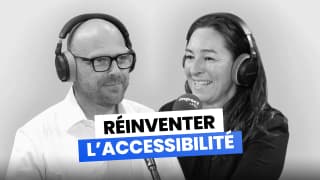
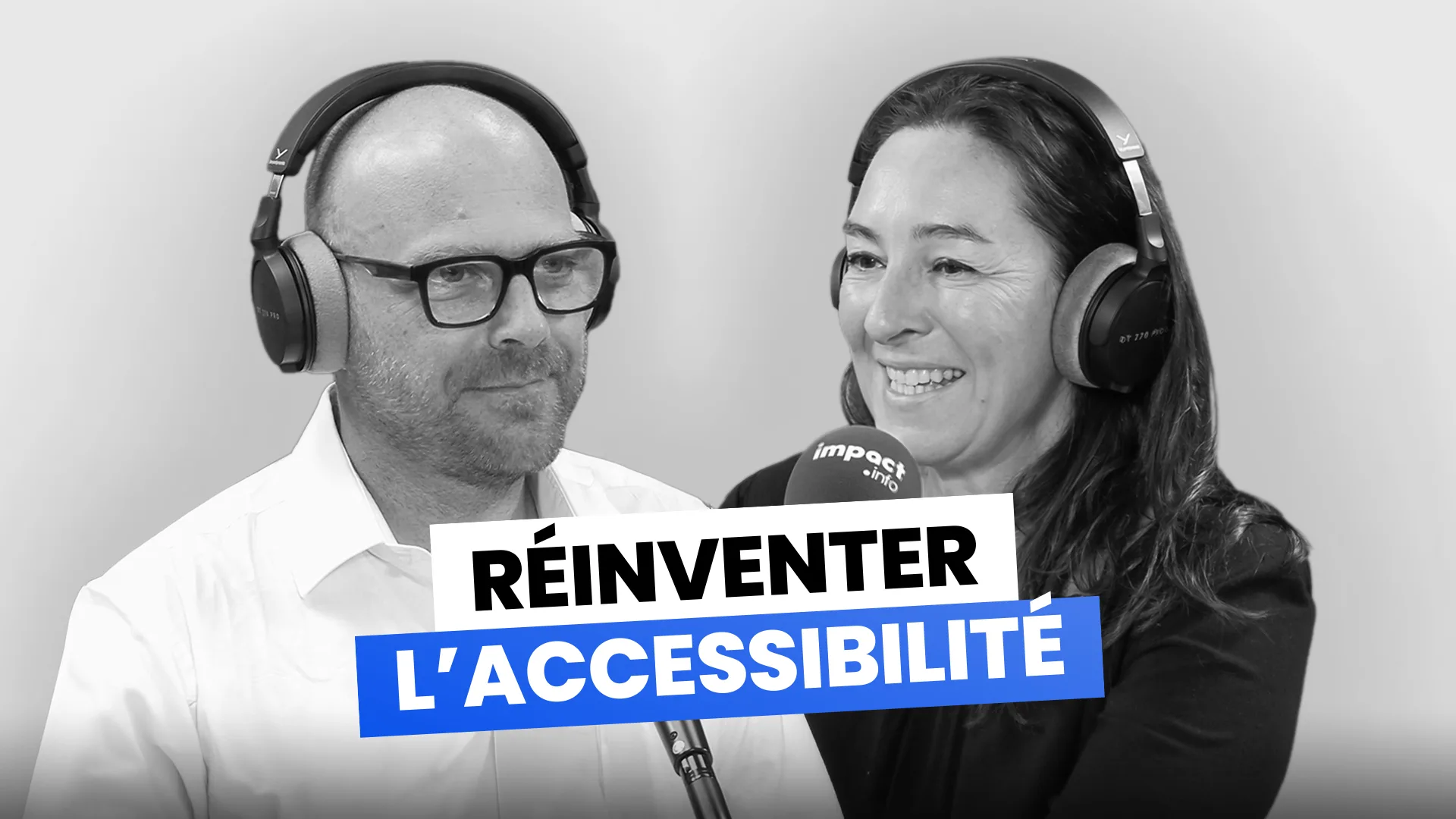
For Sylvain Denoncin, president of Okeenea, the starting point is simple: "The environment creates the disabling situation," he says.
In France, a law adopted in 2005 required buildings open to the public to become accessible. Twenty years later, the work is not finished. According to Denoncin, only half of the built environment complies with the accessibility rules today.
Accessibility does not only benefit people with disabilities. Older people, people with temporary injuries, parents with pushchairs and travellers with luggage can also face accessibility barriers. "One French person in two will be affected by a disability during their life," Denoncin says.
Okeenea develops smartphone guidance solutions that help people find their way inside train stations, hospitals and campuses. Denoncin expects artificial intelligence and voice interfaces to give people even more autonomy. "Artificial intelligence will be a major accelerator of inclusion," he says.
For Denoncin, accessibility is not only a specialised market or a legal requirement. It is also an investment in safety, autonomy and ease of use for everyone.
Key idea: When a building or a service is designed for everyone, it can reduce disabling situations and benefit the whole population.
2. Learn from the people who need different solutions
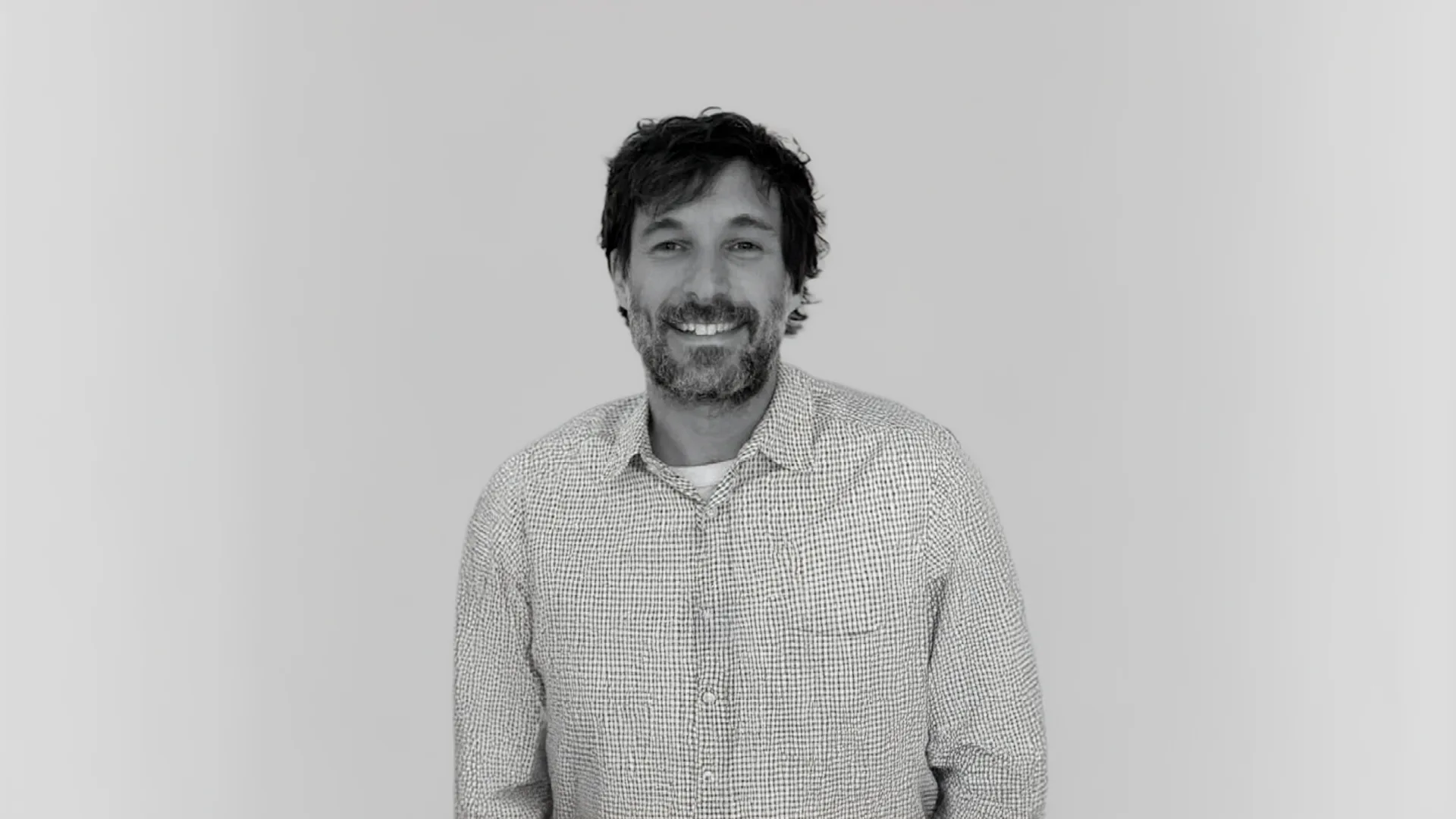
Simon Houriez, founder and director of Signes de Sens, asks a broad question: "How can we live together when we are all different? How can we make sure that everyone has the opportunity and the right to grow, to have a voice and to have a place?"
Signes de Sens helps organisations make spaces, experiences and content more accessible. This can include making a bus easier to use, making information on a museum website easier to access, or developing more inclusive teaching methods in schools. The association also works on how society understands differences.
For Houriez, a person with a specific or unusual need can help identify an improvement that benefits many other people. There are many examples of this process. Text messages were initially introduced on mobile phones to help deaf people communicate. Today, most people use text messages every day. Subtitles in films and television series are another example.
Signes de Sens also brings companies and medical and social organisations together. The goal is to help them understand each other and develop projects together. "Inclusion starts with remembering that we have a common project: living together," Houriez says. "The problem is that we want to give to disability, instead of investing in disability and investing in other people."
Key idea: Solutions designed for people with disabilities can become useful tools for the whole population. Inclusion can be considered an investment rather than a donation.
3. Build digital accessibility from the beginning
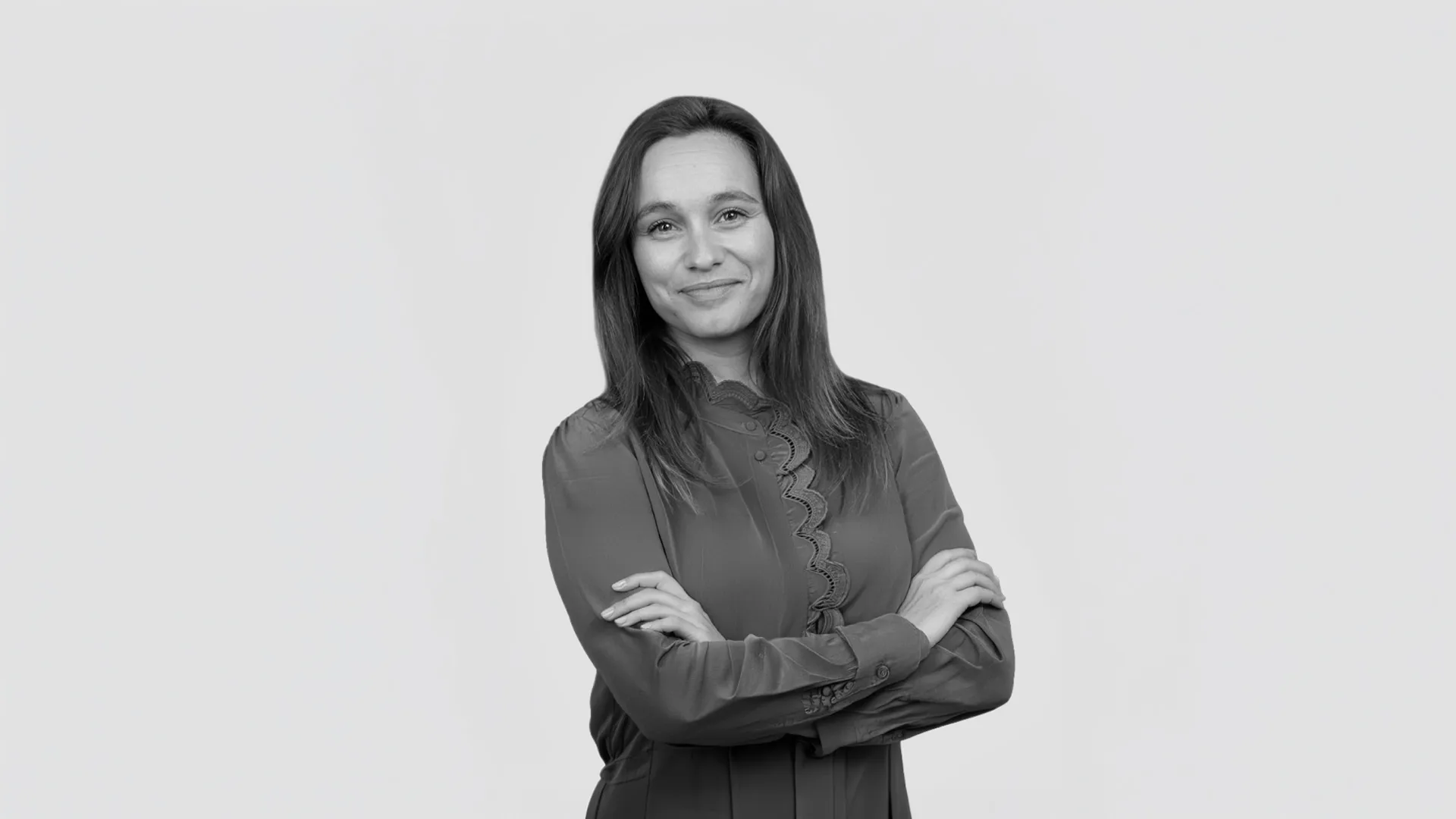
"There are more than one billion people with a disability in the world, and more than 80% of digital content is not accessible," says Marion Ranvier, managing director of the Contentsquare Foundation. People with physical, hearing, visual or cognitive disabilities therefore cannot fully use many online services.
The Contentsquare Foundation was created in 2020. It works in three main areas: education, research and innovation, and advocacy. The foundation first focused on education. "We realised that students who want to work in digital jobs are almost never trained in digital accessibility," Ranvier says.
To address this problem, the foundation offers higher education institutions a free two-hour online course. The foundation also trains companies and offers an immersive experience that simulates different disabilities. "We put people in the situation of a person with a disability. We then see that, in everyday life, people can experience digital exclusion at many different moments," Ranvier explains.
For the foundation, accessibility should be part of the design process from the beginning. It should not be added only after a website, application or digital service has been created.
Key idea: Digital exclusion can begin in education. When future designers and developers learn about accessibility, they can create digital products that are accessible to more people.
4. Give each person information in the format they need
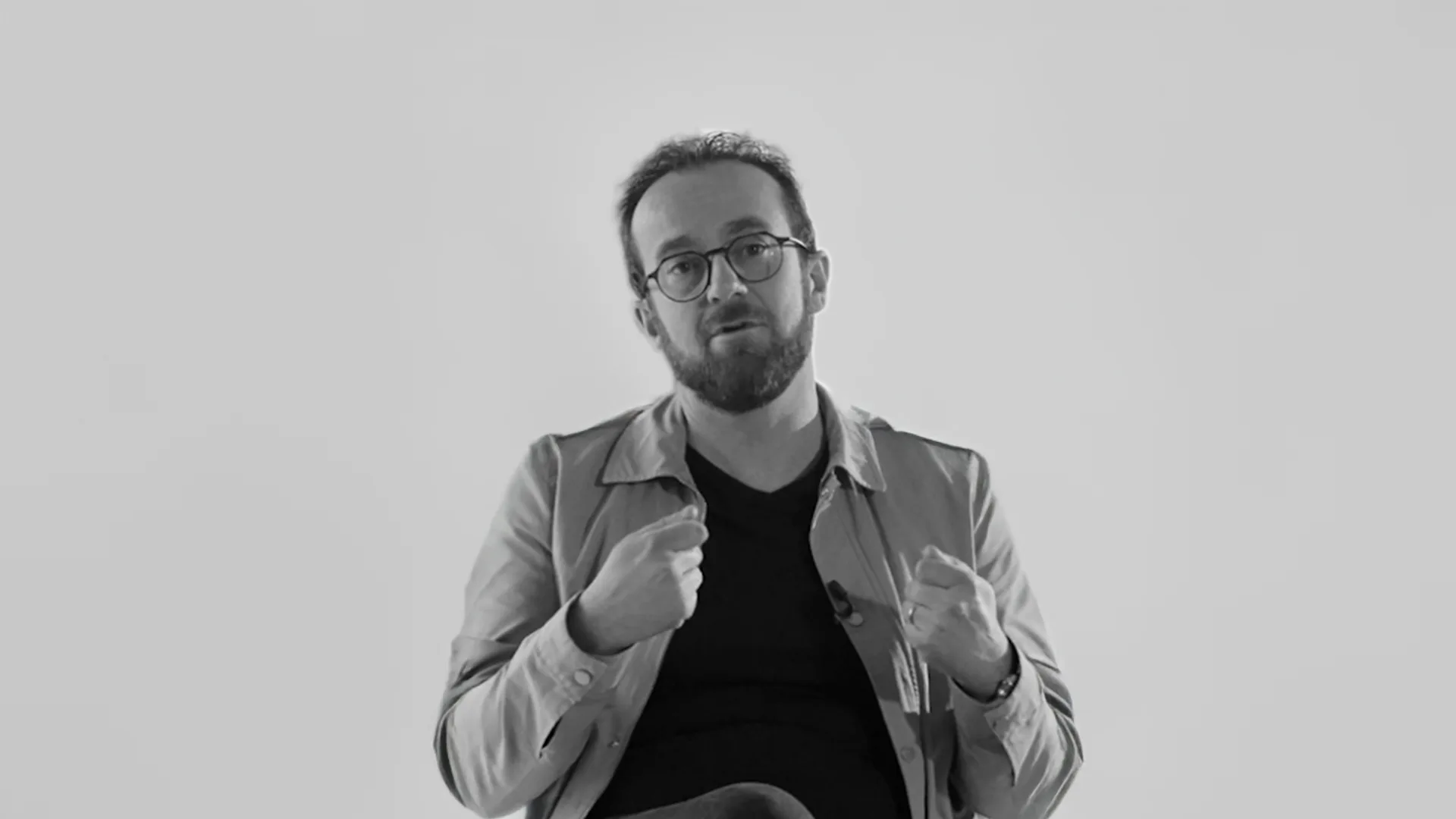
In the Pays de la Loire region in western France, the sensory and language unit of VYV3 supports young people with hearing or visual impairments. Most of these young people arrive soon after birth, when their disability is diagnosed. The team observed that many of them left the service at the age of 18 with few tools to find their place in society.
The response was SENS, a free application developed with the young people themselves. In 2021, the project won a call for projects focused on technological innovation for people with sensory impairments. The application covers eight areas, including health, housing, employment and legal rights. It uses geolocation and is available throughout France.
Each user chooses a profile. A deaf person can read content in French Sign Language. A person who uses spoken French can choose Cued Speech. A blind or partially sighted person can choose the visual impairment profile. The articles then adapt to the selected profile.
"We say on the application that it is 100% accessible," explains Freddy Halet, deputy director of the unit. The application can also be used by young people with dyslexia, language disorders or intellectual disabilities. It can also help families who do not read French. For Halet, the message is clear: "If we make the environment accessible, the disability can sometimes disappear."
Key idea: Information is useful only when people can access it. Tools designed with users and available in different formats can reach more people.
5. Make every journey easier to plan
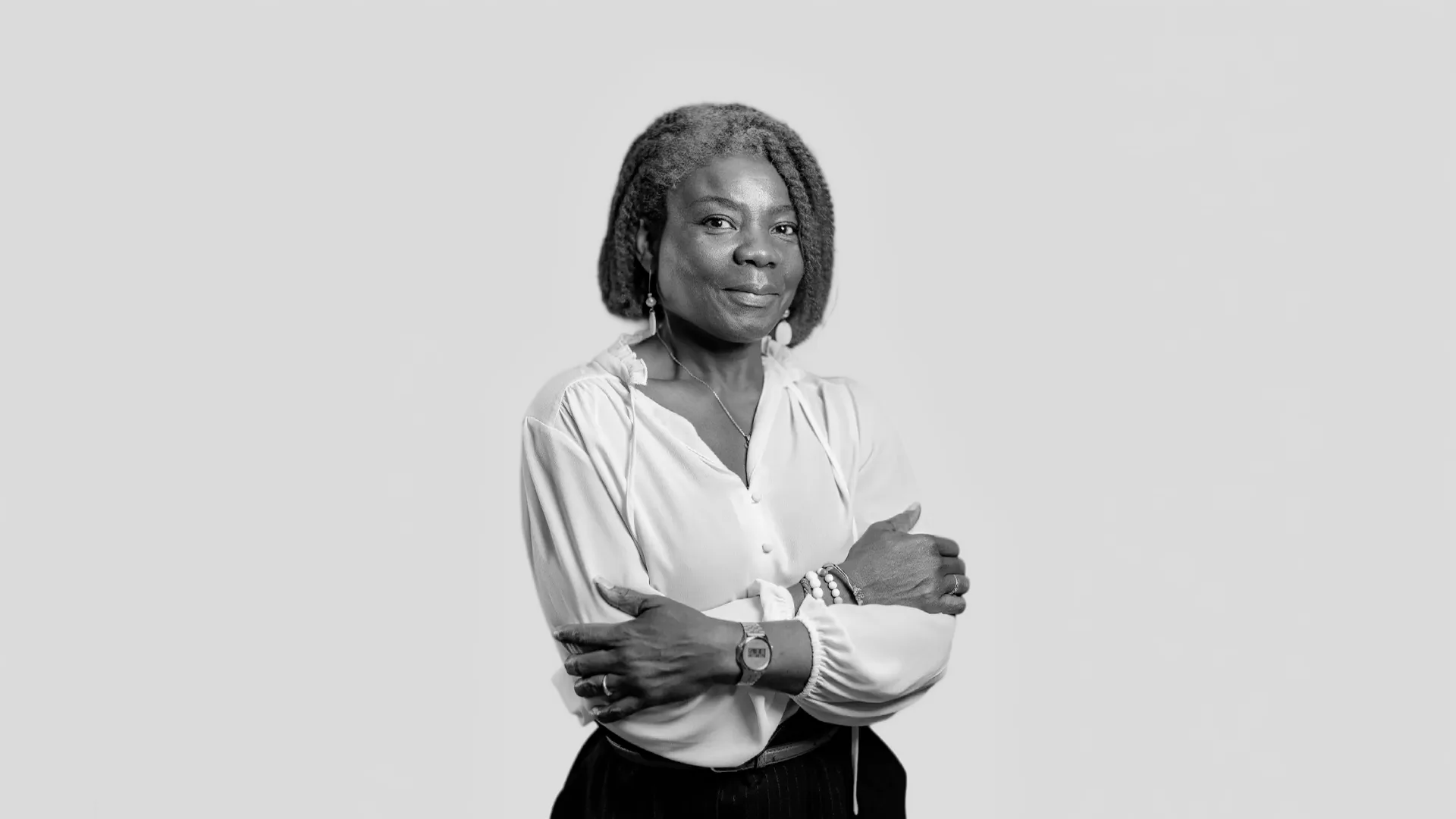
Travel is often a major barrier. Is the hotel room suitable for a wheelchair user? Is the swimming pool accessible? Is the nearby cinema accessible? Evy Saba Ouyabe Zuinghedau, founder and CEO of Universal Wings Mobility, created AVI to help answer these questions quickly.
AVI is an artificial intelligence tool for travel and everyday mobility. It is designed for people with disabilities, older people and carers. It can also help anyone who has difficulty moving around, for example people travelling with young children or heavy luggage. The tool connects directly to existing platforms.
Everyday situations can still require a lot of effort. "When you need a ramp to get onto a bus, it takes a lot of energy. You also have to negotiate with the driver," she explains. For her, the needs of people with disabilities represent a market that many companies still do not consider sufficiently.
She also points to demographic changes. "We will all grow older, and our mobility will not be the same as when we are 20," she says. She compares this situation with the development of the remote control. "The remote control started as an invention that was necessary for some people. Today, we cannot imagine living without it. When something is useful for one group, it can later become useful for everyone."
Key idea: Reliable information about accessibility can make travel easier. As the population ages, more people may need accessible travel and mobility services.
6. Use 3D printing to make assistive devices more affordable
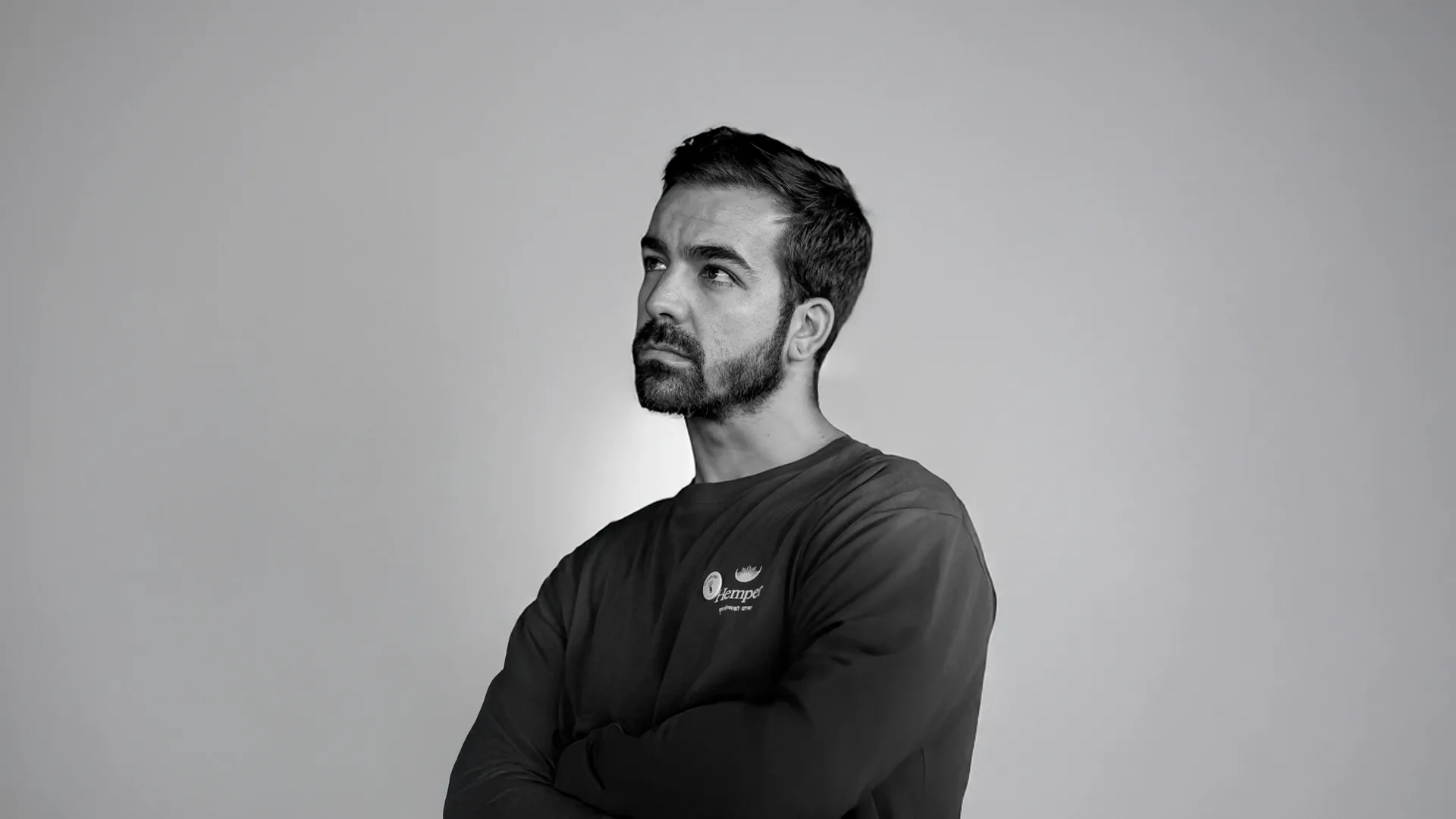
Prostheses and assistive devices can be expensive. Many people who need these devices cannot afford them. Guillermo Gauna-Vivas, founder of the Spanish NGO Ayúdame 3D, decided to use 3D printing to address this problem.
The project started during a trip to Kenya, where he delivered his first 3D-printed arms. This experience showed him that 3D printing could help reduce inequality. "3D printing has made it easier for us to help many people. It has changed their lives because they can become more independent," he says.
Today, Ayúdame 3D is a global network. The organisation designs, prints and sends prostheses free of charge from Spain and through partners in other countries. More than 700 people have received a prosthesis directly. More than 20,000 people have received support through other devices.
Key idea: Low-cost technology can increase autonomy for people who otherwise have limited access to assistive devices.
7. Connect disabled candidates with employers who want to hire them
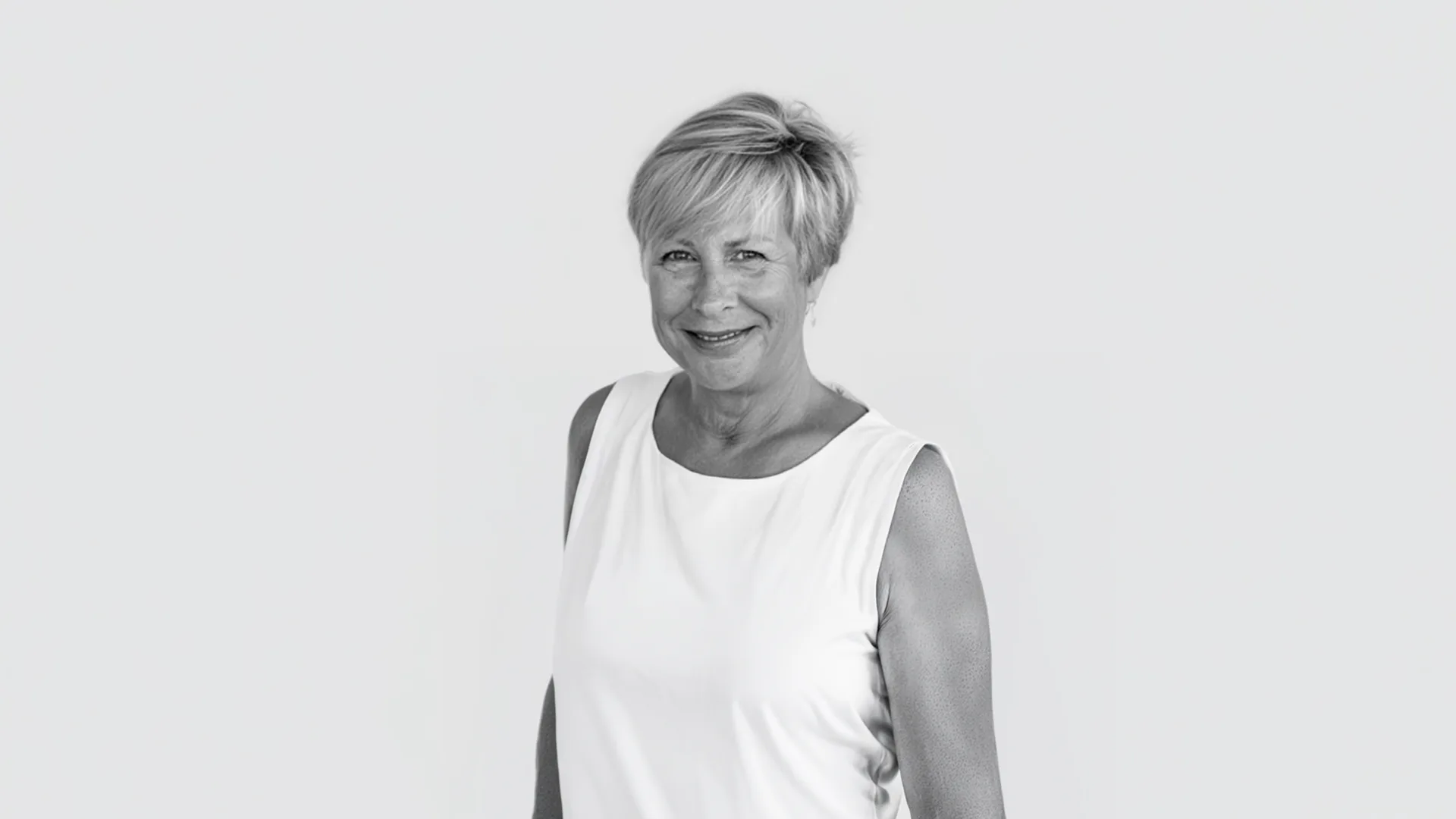
Jane Hatton did not originally plan to become an entrepreneur. She wanted to become a violinist and later worked in social work. When she became disabled herself, she decided to start a business.
She founded Evenbreak. The organisation describes itself as the only global job board dedicated to disabled candidates. Evenbreak helps disabled candidates find jobs. It also helps employers find candidates. At the same time, the organisation raises awareness and works to reduce prejudice among employers.
In her interview, Hatton explains the specific strengths that people with disabilities can bring to a job. She also discusses people living with conditions that employers may fear, such as schizophrenia.
Key idea: Some employers may want to recruit disabled candidates but may not know how to reach them. A specialised job board can connect candidates and employers and can help change perceptions of disability.
8. Build a company where almost half of the employees have a disability
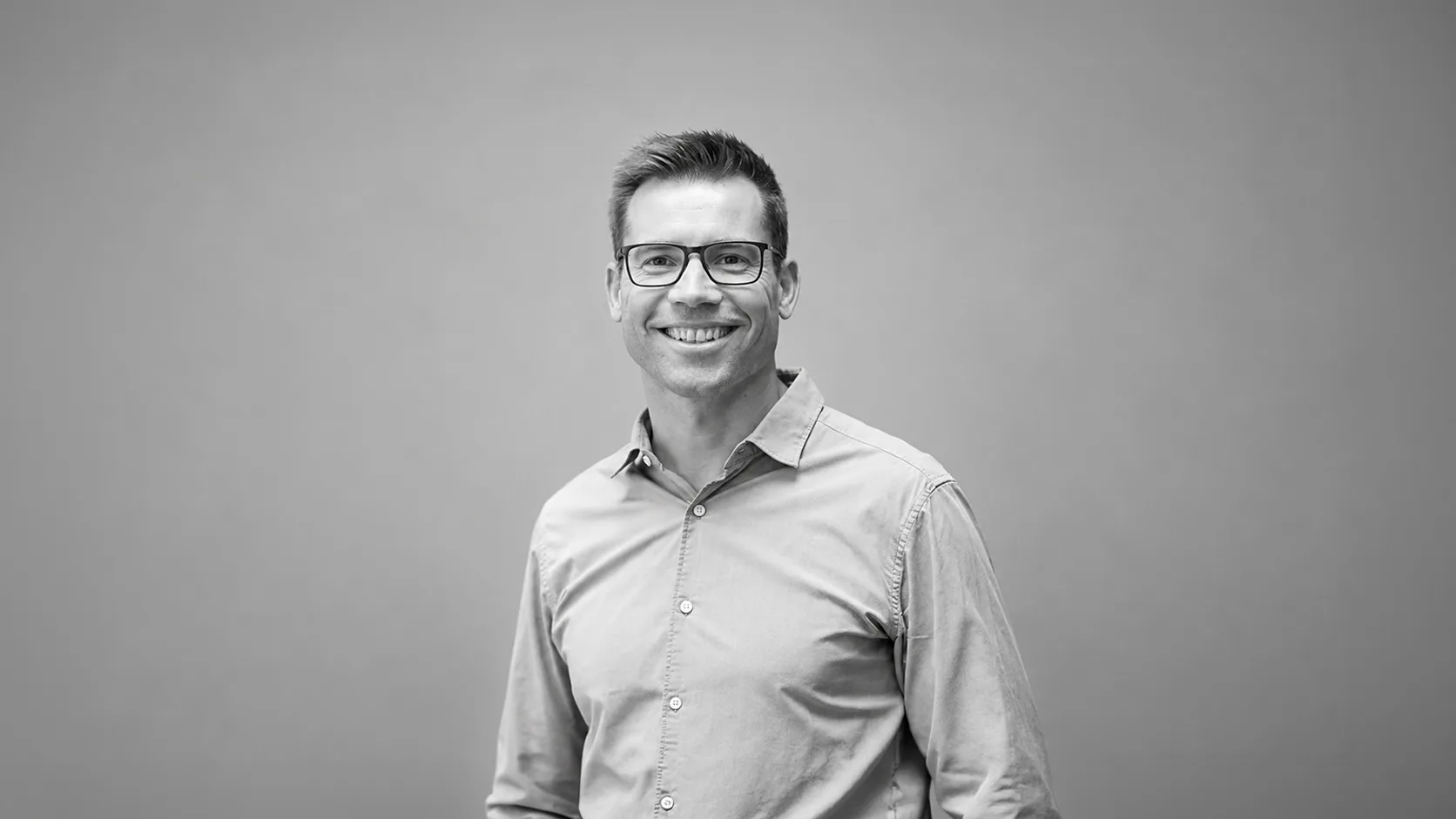
afb social & Green IT refurbishes used IT equipment. The company has more than 20 sites in five European countries and 650 employees. Almost half of its employees have disabilities. For CEO Daniel Büchle, this social dimension is an important part of the company's identity.
afb is a non-profit limited company. The company is profitable, and its surpluses benefit its employees. Büchle sees inclusion as one possible response to the shortage of skilled workers. "We see inclusion as an added value, especially in relation to the shortage of skilled workers in the IT sector," he says. This is particularly relevant in large cities and regions with low unemployment. In these areas, employers may need to consider a wider range of candidates.
Inclusion requires effort. This includes training managers, removing barriers, listening actively to employees and adapting workstations. "If you take inclusion seriously and put it into practice properly, it pays off," Büchle says.
The company measures its impact. In 2025, according to Büchle, refurbishing hardware avoided about 70,000 tonnes of CO2 emissions and saved more than 5 million litres of water. 71% of the devices received by the company are reused. In the latest internal survey, 60% of employees with disabilities said that their lives had improved since they joined the company.
Key idea: Inclusion and business performance can exist together. A company can employ many people with disabilities, remain profitable and have an environmental impact at the same time.
9. Treat cognitive differences as a source of creative talent
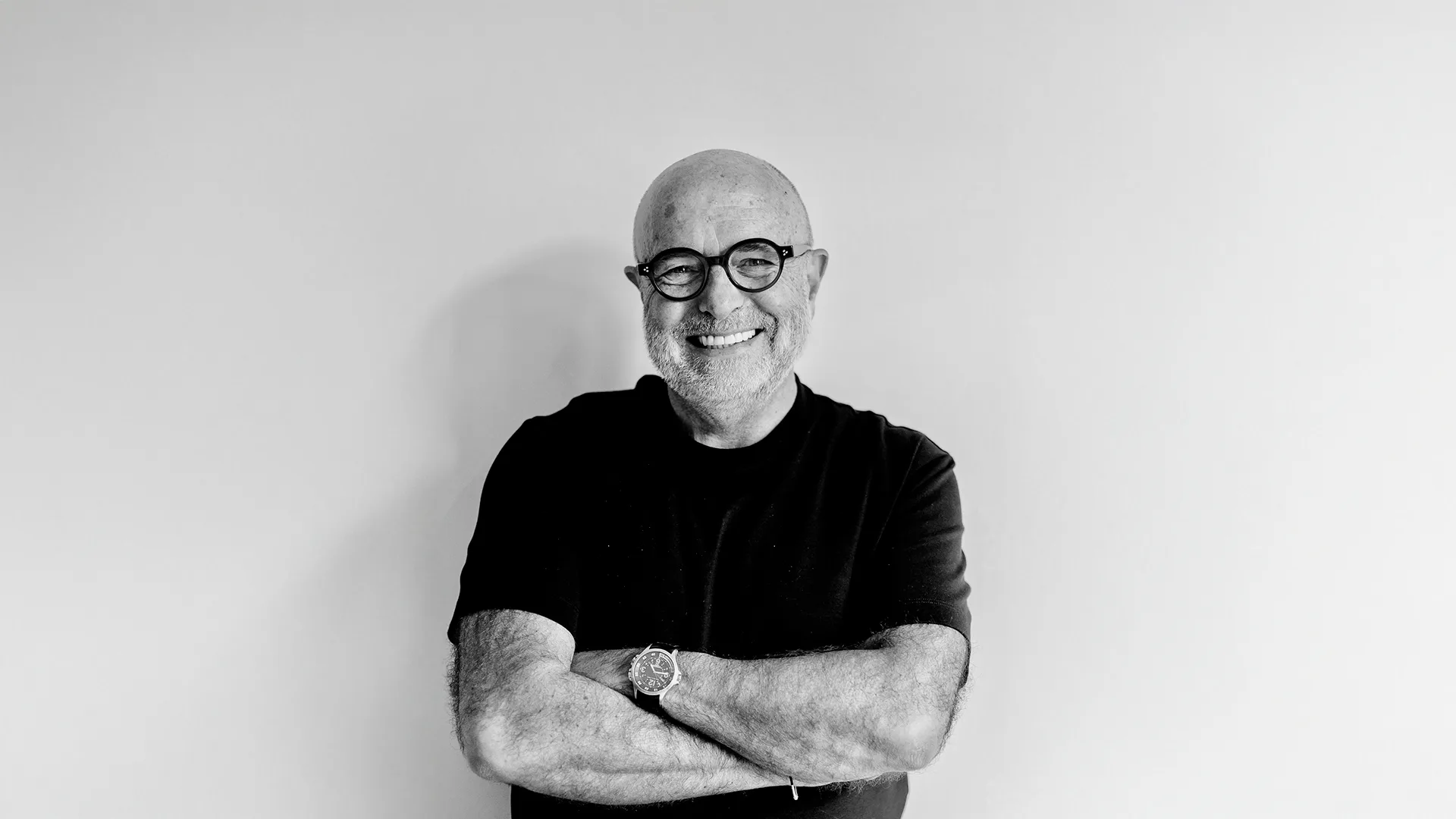
José María Batalla worked for many years as a creative director in advertising. He noticed that teams often had diversity in terms of gender and culture, but not in terms of cognitive profiles. He considered this a loss of potential talent.
He founded La Casa de Carlota, a design studio in Spain. The studio works with designers with Down syndrome, autism and other intellectual disabilities. The objective is not simply to provide a social benefit. The studio considers cognitive diversity to be a source of creativity. "The team becomes more creative and richer when you add more different brains," Batalla says.
The first challenge was cultural. Many people saw disability as something emotional or therapeutic, rather than as a source of creative value. Work with brands such as Nestlé, Bimbo, Nike, L'Oréal and Acciona helped change this perception.
Key idea: Diversity policies can overlook cognitive differences. Including different cognitive profiles can increase the diversity of a creative team and can also contribute to its creative work.
10. Support entrepreneurs with disabilities
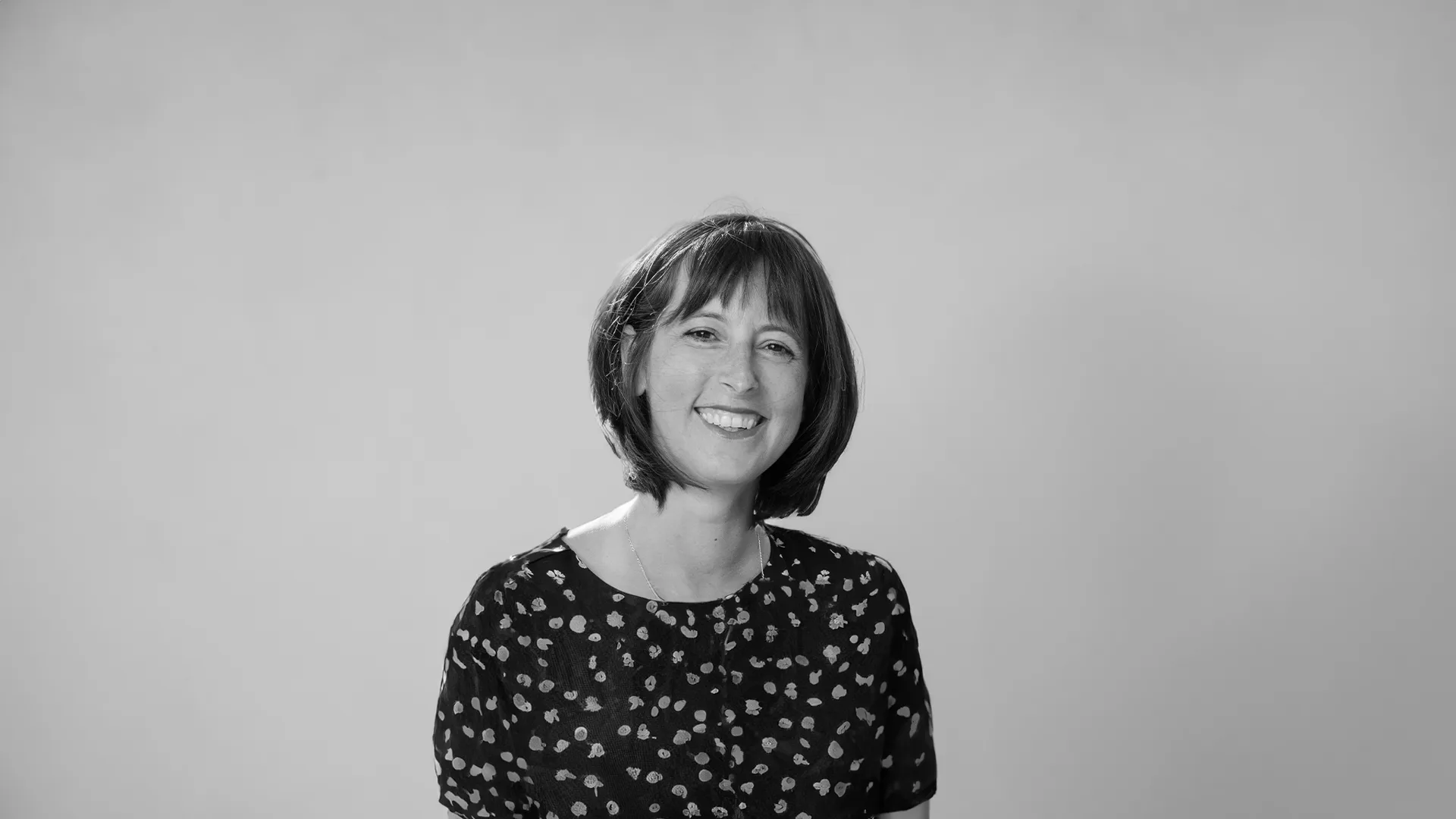
Employment is not the only possible path. Some people with disabilities want to create their own businesses. H-up Entrepreneur supports these people.
The association was co-founded by Pauline Arnaud Blanchard and four business leaders with disabilities. The organisation was created after two observations. "Unemployment among people with disabilities remains twice the national average," she says. "And yet 80,000 business owners with disabilities are active, and 8,000 people with disabilities start a business every year."
H-up provides coaching, training and mentoring. It also relies on a network of 3,000 entrepreneurs with disabilities who act as role models. The principle is simple. When a person sees someone with a similar experience who has created a business, that person may feel more able to try.
For Arnaud Blanchard, disability concerns the whole population. According to her, one French person in ten has a disability, and 82% of disabilities appear during a person's life. "This is not a secondary topic. It is a social topic that concerns all of us," she says.
Key idea: Entrepreneurship can provide a path to autonomy for people with disabilities. Role models can help show that entrepreneurship is possible.
11. Share a home to reduce isolation
According to a study by the Fondation de France, 32% of people with disabilities feel lonely "every day or almost every day". This is 10 percentage points higher than in the general population.
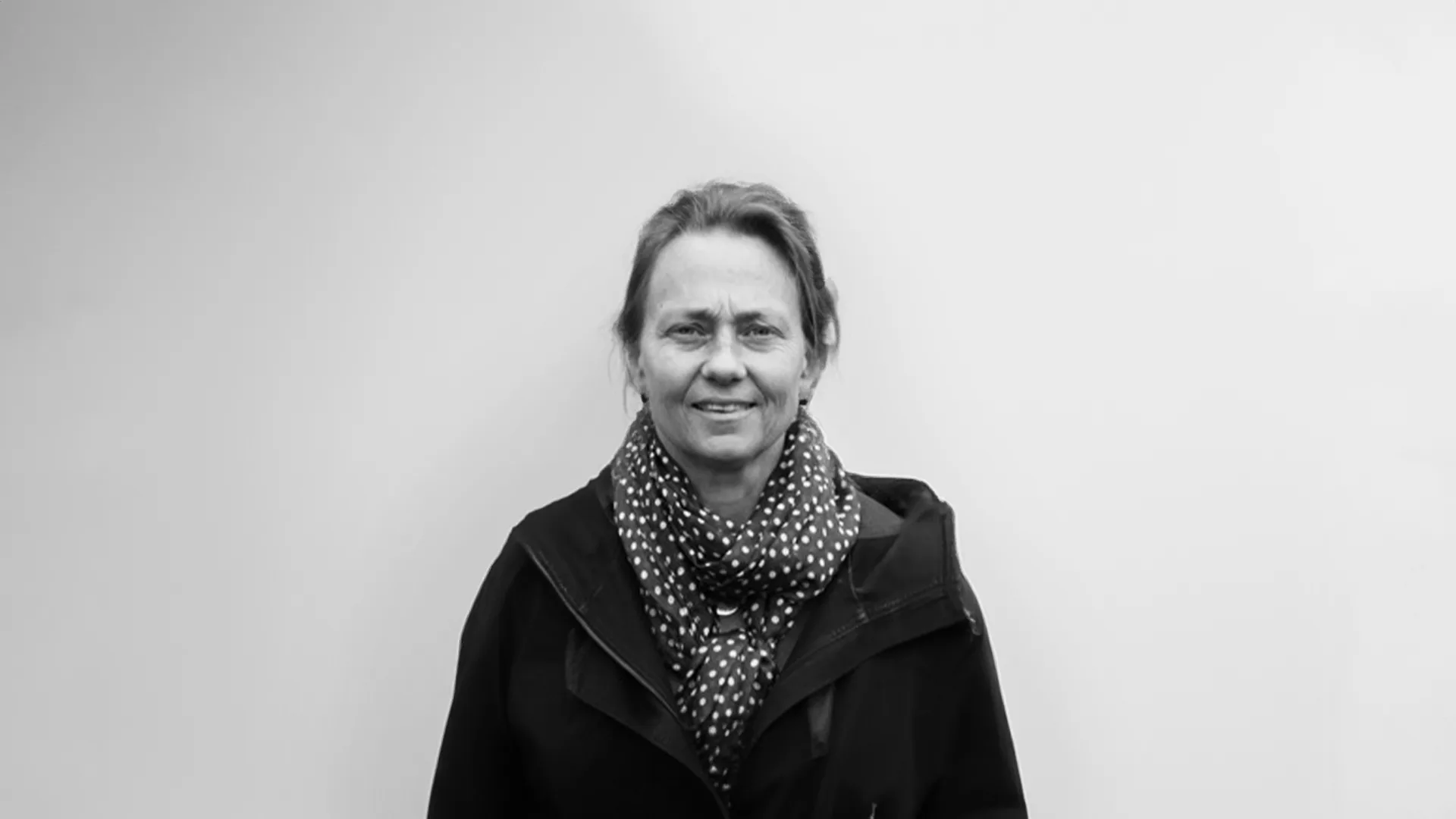
Simon de Cyrène responds to this problem with shared housing. "People with and without disabilities live together, share positive experiences and reduce loneliness," explains Laetitia Jousse, director of the association.
Several Simon de Cyrène residences exist in France. In Lyon, eleven people live in a large shared space of 500 square metres. Their lives changed after a car accident, a stroke or a brain injury present from birth.
Each resident has a private studio with a kitchenette and a bathroom. Only the living room and the terrace are shared. A flat manager, support workers and two civic service volunteers accompany the residents. The rent depends on each resident's situation.
Key idea: Housing can provide more than a place to live. A combination of private space and shared life can help reduce isolation among people with disabilities.
12. Give children with disabilities a place to learn and play
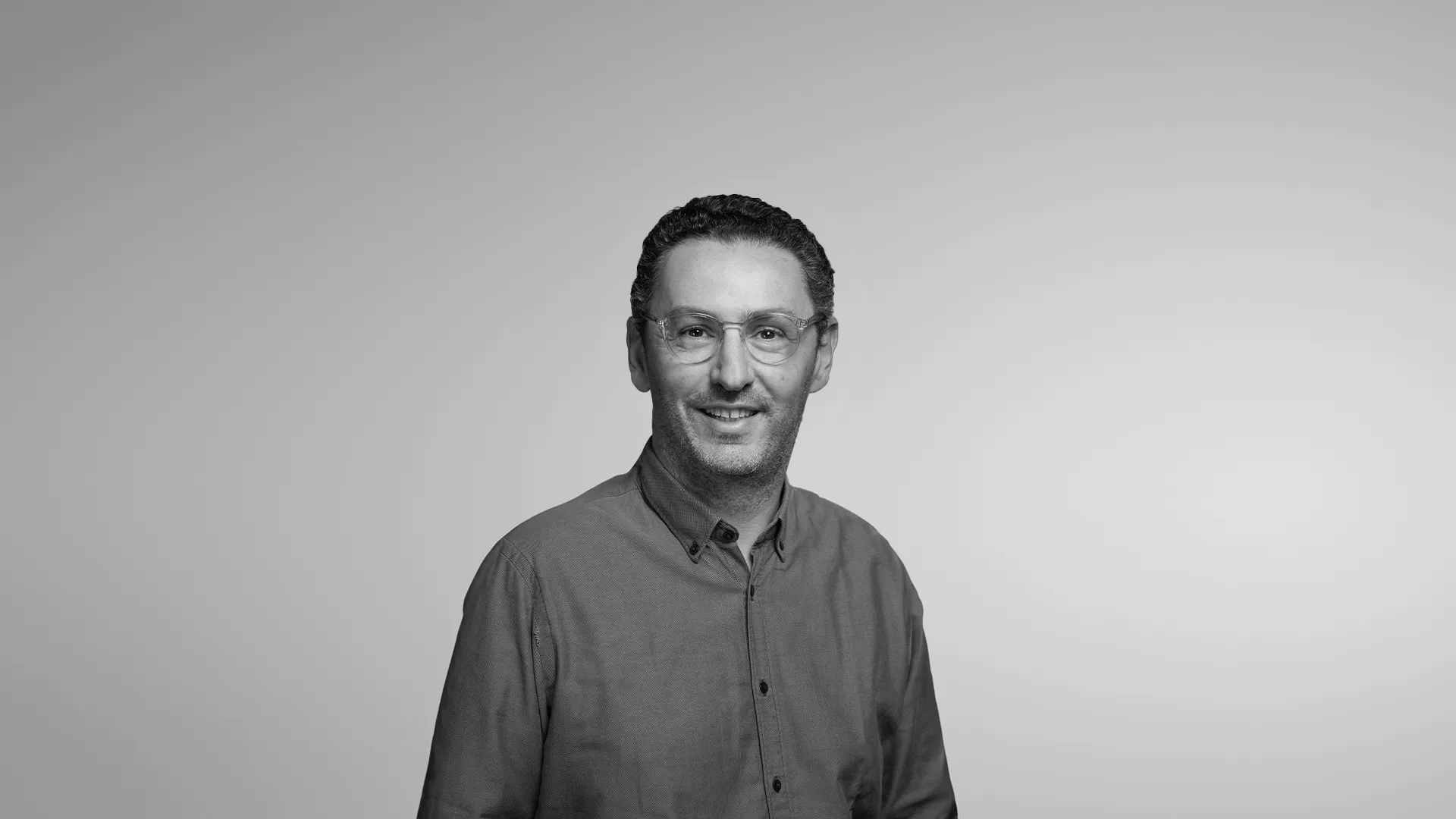
Jérôme Stioui and his wife are the parents of a daughter with a disability. They quickly saw that there were very few places adapted to her needs. "In the world of disability, places are often quite austere," he says.
In France, between 100,000 and 300,000 children with disabilities cannot attend school, according to Stioui. Specialised institutions do not have enough places for all of these children. As a result, many children stay at home during the day. Their families can also become isolated.
In September 2023, the couple opened Le Village des Enfants Extraordinaires, a 1,200-square-metre space near Paris. Children with disabilities can learn through play and creative activities. Families can also spend time together.
"When you find something that your child likes, you can create a spark and help the child learn without the child realising it," Stioui says.
The project took four years and 3.5 million euros to build. Demand is high. At the time of the interview, 60 families attended the centre and 400 families were on the waiting list. The cost of hosting one family is about 6,000 euros per year. Families pay about 400 euros. The association uses grants to cover the difference. The couple wants to open similar places in other parts of France.
Key idea: When schools and specialised institutions cannot accommodate every child, adapted places for learning and play can help prevent isolation among children with disabilities and their families.
Twelve approaches, one European challenge
These twelve initiatives address different situations in the lives of people with disabilities.
Okeenea, Signes de Sens and Universal Wings Mobility work on the physical environment and mobility. The Contentsquare Foundation and the SENS application developed by VYV3 work to make digital tools and information accessible. Ayúdame 3D works to make assistive devices more affordable.
Evenbreak, afb social & Green IT and La Casa de Carlota focus on employment. They help open the job market to people with disabilities and show the value of their skills at work. H-up Entrepreneur supports people with disabilities who want to create their own businesses. Simon de Cyrène and Le Village des Enfants Extraordinaires work to reduce isolation among adults, children and families affected by disability.
These approaches do not form one single European model. Instead, they show that exclusion can be reduced at many different points.
The process starts with an environment designed for everyone. This includes buildings, transport, websites and applications. It also requires tools and information that each person can use in the format they need.
It requires employers who recognise people with disabilities as potential employees and sources of talent, rather than seeing disability only as an obligation.
It also requires places to live, learn and meet other people. These places can help prevent people from becoming isolated because of a disability.
The initiatives presented in this feature come from France, Spain, the United Kingdom and Germany. They use very different tools, including a 3D printer, a job board, a shared home and an artificial intelligence tool.
However, the initiatives share a common idea: disability is not only a personal situation. Disability can also result from choices made by society and from barriers in the environment.
When these choices and environments change, many barriers can be reduced or removed. This can benefit people with disabilities and other people as well.
Europe does not need to invent every solution from the beginning. Many solutions already exist.
The challenge is now to make these solutions better known, connect them and help more people benefit from them.