

Six common beliefs about technology and inequality
People often say that digital technology excludes the most vulnerable, that artificial intelligence will replace humans or that screens isolate young people. Some of these beliefs are true. Others are false. Most are partly true.
The stakes are high. In 2023, only 56% of Europeans aged 16 to 74 had at least basic digital skills, according to Eurostat. The European Union aims for 80% by 2030. At the same time, public services, jobs, healthcare and even voting are moving online.
This dossier tests six common beliefs against the facts. For each one, it presents initiatives from France, Spain, Germany, the United Kingdom and Denmark. It also suggests other impact.info interviews to go further.
Belief 1: "The digital divide only affects older people"
Verdict: Partly true.
The facts
In France, 15.4% of people aged 15 or over were affected by digital illiteracy in 2021, according to INSEE. The figure reaches 61.9% among people aged 75 or over. Age is therefore a major factor.
But it does not explain everything. People on low incomes, people without a home and people who have just arrived in a country are also highly exposed. And using social media is not the same as writing a CV or completing an administrative procedure online.

Equip, connect, train
In France, Emmaüs Connect fights digital exclusion among people in precarious situations. Victor Baysang-Michelin, in charge of advocacy, describes three barriers. The first is a lack of skills. The second is equipment: about one person in four in France has no device or only an old one. The third is connection, which affects about 8% of the population.
The association works on all three at the same time. It sells refurbished laptops for 70 to 150 euros. It offers prepaid SIM cards that do not require a bank account. It also runs training of 12 to 90 hours, depending on needs. For Victor Baysang-Michelin, this is a democratic issue: "Who was consulted on something as important as digitalisation?"
Train newcomers
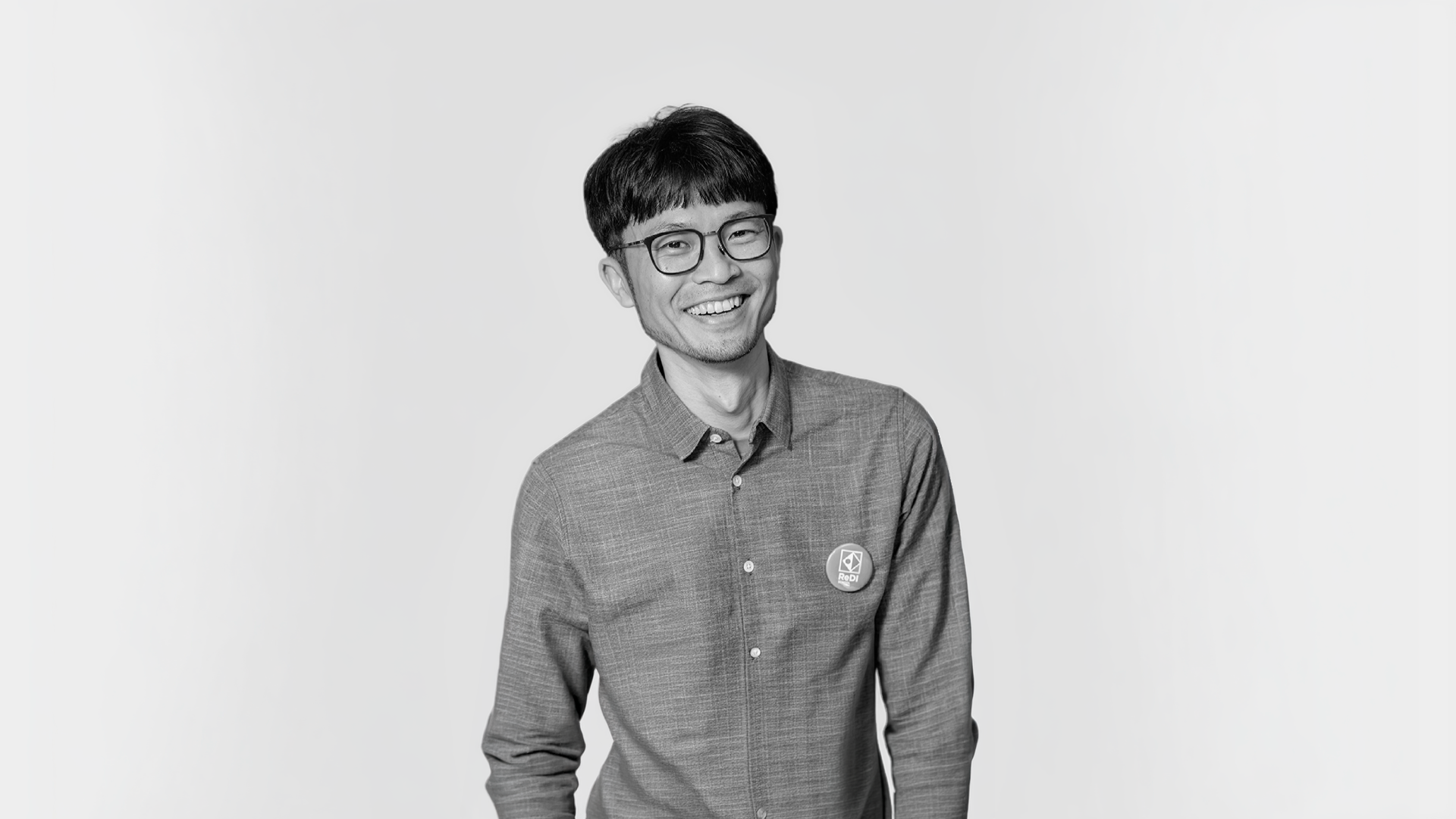
In Germany, ReDI School of Digital Integration has trained more than 40,000 people since 2015, mostly migrants and disadvantaged residents. Its learners come from more than 100 countries. Employees from companies teach the courses as volunteers. Partner companies offer internships and mentoring.
Takuya Furukawa leads the sites in North Rhine-Westphalia and Hamburg. He came from Japan and knows how hard it is to find a job without a network. For him, "digital inclusion is the foundation of our democracy."
Elsewhere on impact.info
Kiron Digital (Germany). Manuela Verduci explains how online learning platforms help people with a migration background build their skills.
Why do digital learning platforms help people with migration backgrounds?Bleta (Spain). Gerard Pinar presents an adapted tablet that reduces the digital divide between generations.
Why Adapting a Tablet Can Reduce the Digital Divide Between GenerationsMarie et Alphonse (France). Catherine Charlot describes a neighbourhood fab lab in Nantes that introduces residents to digital tools through creative projects.
Why mastering digital skills is essential for everyone?
Belief 2: "The most vulnerable people are out of reach of digital technology"
Verdict: Mostly false.
The facts
More than 1.1 million people are homeless in the European Union, according to the 2025 report by FEANTSA and the Fondation pour le Logement. Worldwide, about 850 million people have no official identity document, according to the World Bank. People often assume that these groups have no access to digital tools.
This is often wrong. According to a Solinum study, 71% of homeless people had a smartphone in 2018. The real problem lies elsewhere: information about support is scattered and often out of date, and people without documents are hard to follow over time.

Make help easy to find
In France, Solinum created Soliguide, a directory of more than 100,000 useful services: showers, food aid, day centres and legal advice. It is available online, in an app, by SMS, on WhatsApp and on paper. Social workers also use it to direct people to the right service.
According to an impact assessment cited by its founder, Victoria Mandefield, Soliguide saves social workers 7.5 minutes per referral on average. 93% of the professionals surveyed find the information up to date. Solinum also worked with the French State on common rules for these directories, including data sharing between tools.
Give a digital identity to people without documents
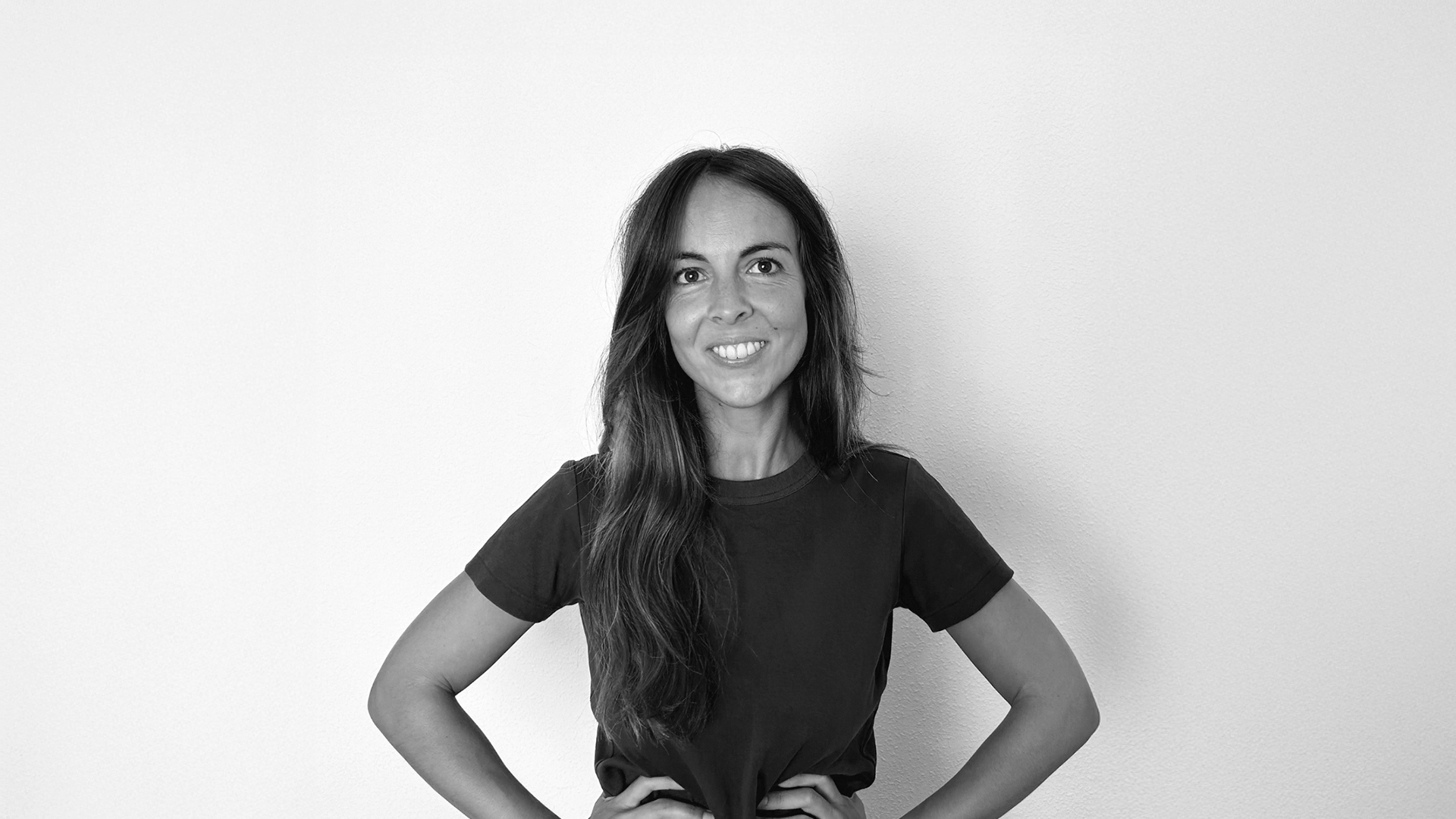
In Spain, Itwillbe helps social organisations use technology in an ethical way. One of its tools uses facial recognition to identify people without official documents. It was first designed for an Indian network of almost 100 centres that protects street children. Before, when a child ran away to another city, their support often started again from zero, explains its CEO, Celia Roca.
The tool could also help follow the vaccinations of children without a birth certificate.
Design solutions with local people
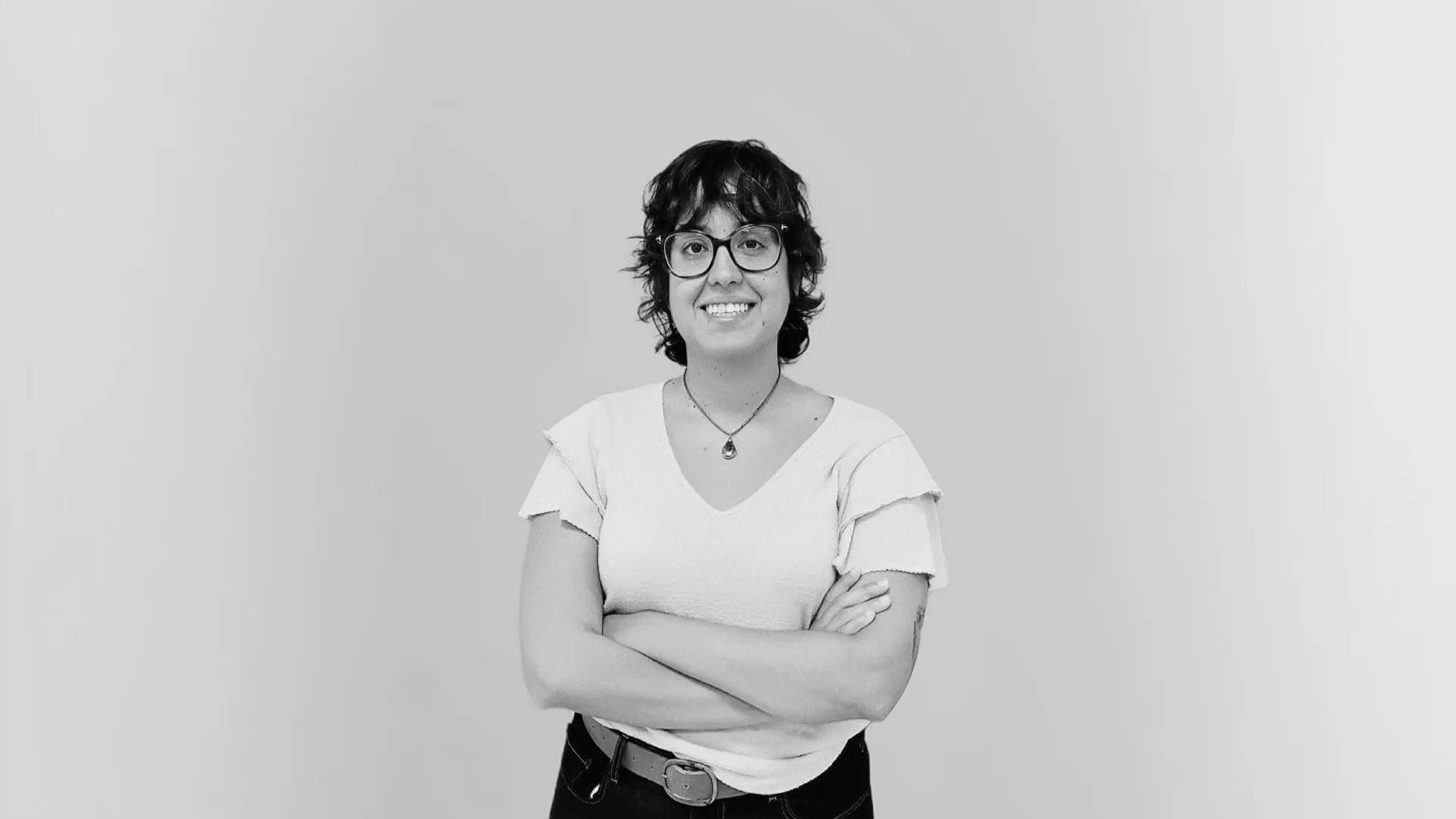
Sic4Change works in Spain, Guatemala, Peru and Mauritania. In Mauritania, its Look4Health app allows local residents to detect malnutrition in children and send the data to the local health centre. These residents receive a small income for this work. For Laura García, its coordinator in the Canary Islands, solutions must come from the people who live in the territory.
Elsewhere on impact.info
Llum Social (Spain). Laëtitia Launet Gallas presents an app that brings together useful resources for homeless people, with the support of local shops.
Why Closing the Digital Divide Can Help Fight HomelessnessShare it (France). Guilhem Ménard explains how teams from consulting firms build digital tools for associations, such as Entourage Pro.
Why Digital Skills Should Be Key for Associations
Belief 3: "Artificial intelligence will replace humans"
Verdict: False in these examples.
The facts
AI can reproduce bias, spread false information and remove some jobs. But it can also free up time and spread rare skills. In healthcare, the needs are huge: people with a rare disease wait 4.7 years on average for a diagnosis, according to a 2022 EURORDIS survey.
An AI coach that leads to a human coach
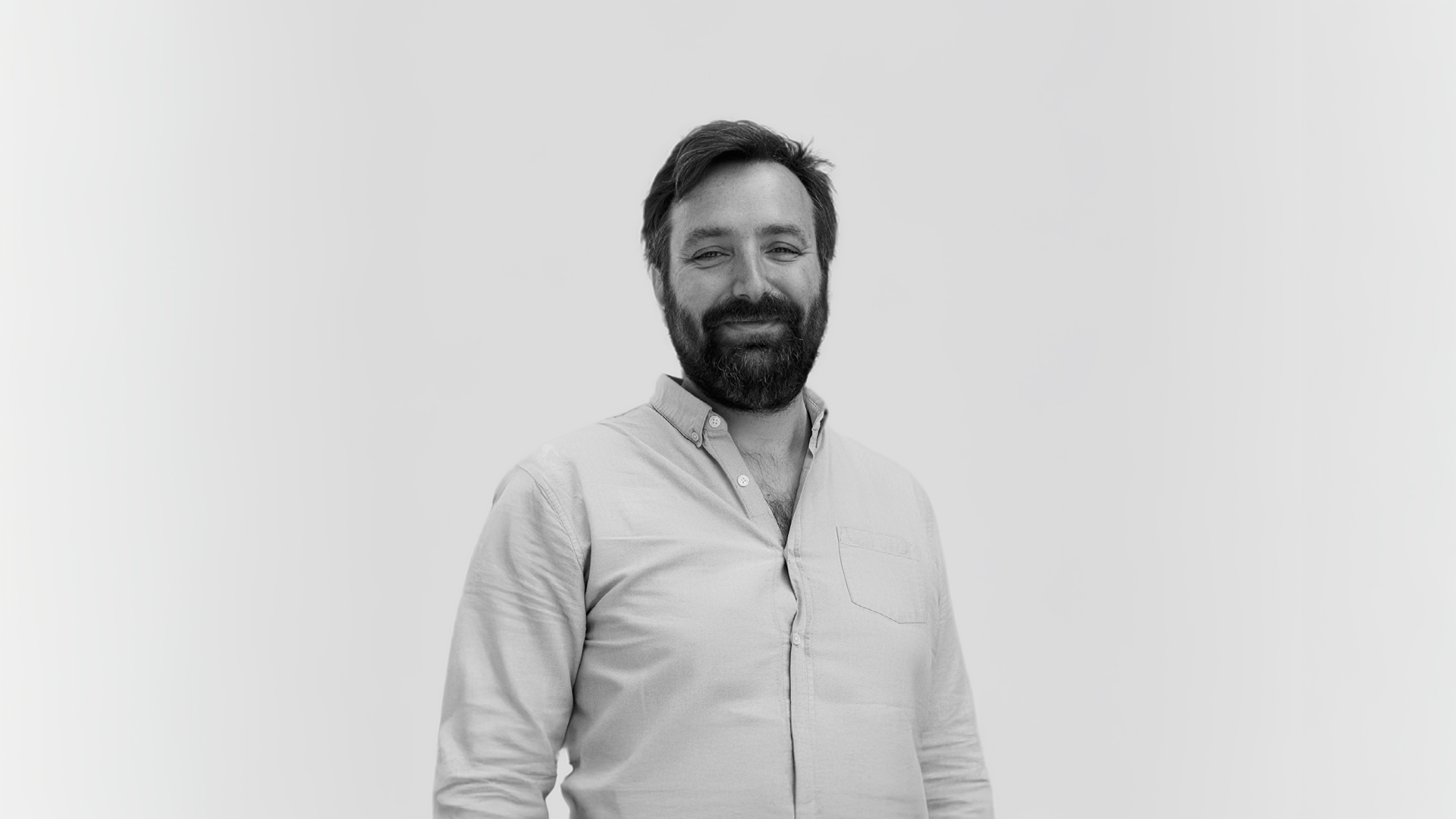
In France, the association MaVoie helps young people aged 18 to 29 who feel alone in their job search. It reaches them on TikTok and Instagram. Its app, Livia, offers about thirty challenges with an AI coach, such as practising a job interview. These challenges then lead to free meetings with human coaches. More than 1,000 young people have used it since September 2025.
For its general delegate, William Elland-Goldsmith, the main barrier is a lack of self-confidence. The association describes itself as "techno-lucid" rather than "techno-solutionist".
Spread rare medical expertise
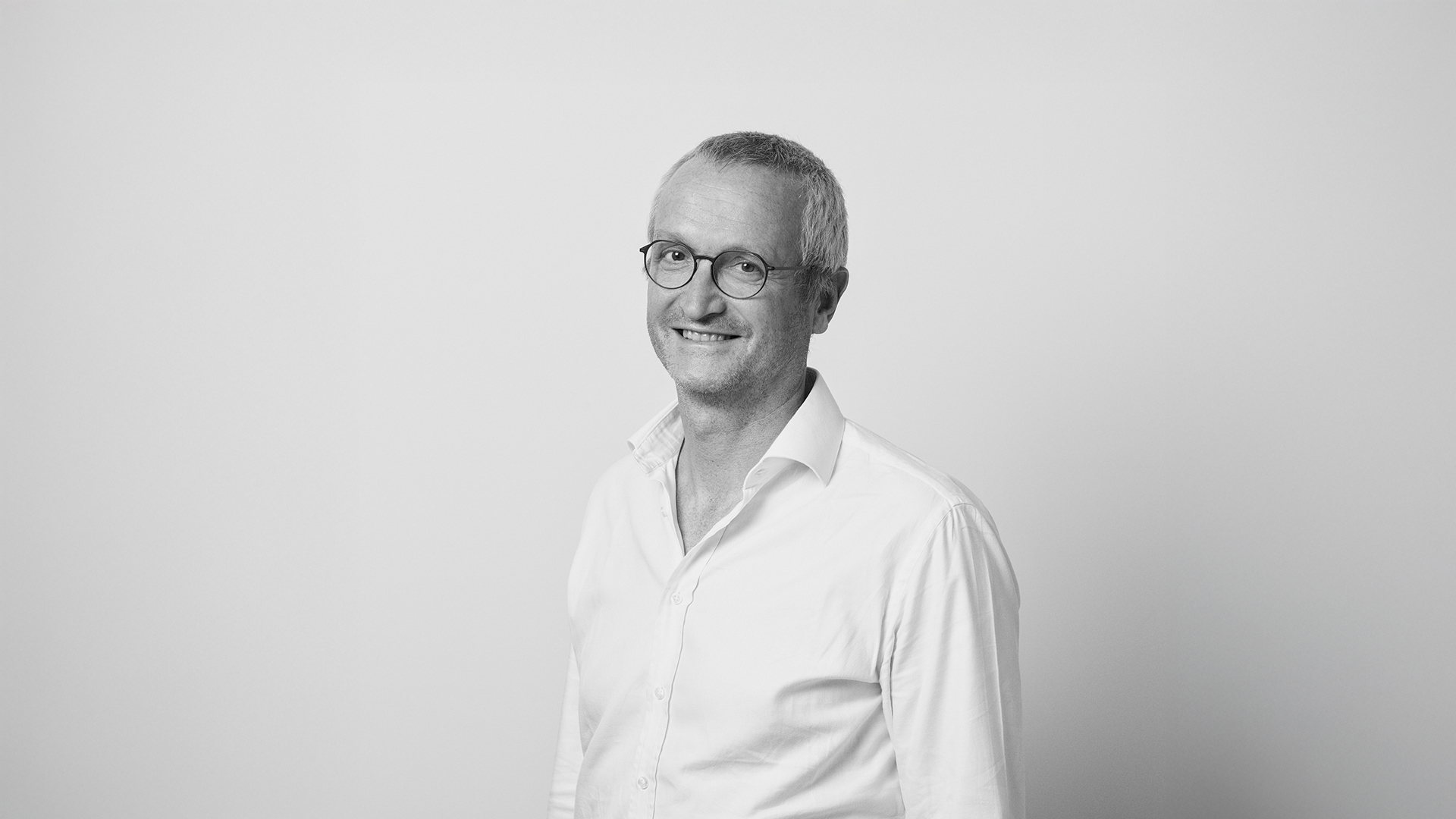
ReBrain grew out of research at Bordeaux University Hospital and Inria. Its software helps neurosurgeons treat severe Parkinson's disease with deep brain stimulation. Electrodes must be placed in the centre of the brain with a precision of less than one millimetre. In Bordeaux, the operation now lasts about two hours instead of a full day. The hospital has doubled its activity in this treatment.
According to its CEO, David Caumartin, only 1% of eligible patients are treated today, because it takes more than 20 years to train an expert team.

Less paperwork, more time for patients
In Berlin, Qunomedical helps medical practices and hospitals digitise their administrative tasks. Its founder, Dr Sophie Chung, saw in hospitals how much time went into tasks far from patients. Her motto: "Happy patients, happy doctors."
Elsewhere on impact.info
Healmind (Spain). Catalina Ayuso de Paúl presents a platform that helps psychologists follow their patients between sessions.
Why Technology Can Improve Mental Health Treatments?Onorato AI (Spain). Pablo Mariñosa tells the story of an AI-powered parrot designed to keep older people company.
Why a Parrot-Shaped AI Can Improve the Lives of Seniors
Belief 4: "Recruiting is about judging skills"
Verdict: False.
The facts
Recruitment is still shaped by bias linked to gender, age or origin. In 2023, women made up only 19.4% of ICT specialists in the European Union, according to Eurostat.

Blind recruitment
In Barcelona, BlindStairs hides the photo, name and nationality of candidates. Employers only see their skills. Job offers are also written in clear and inclusive language.
Its co-founder, Marta Rodríguez-Tobalo, cites a Yale University study: two identical CVs, only the first name changes. The CV with a female name is less likely to lead to a job offer, and the salary offered is lower. According to her, people over 45 must send up to three times more CVs to get an interview. But she warns that technology helps only if employers want to change their practices.
Elsewhere on impact.info
SWANS Initiative (Germany). Martha Dudzinski supports women with a migration background on their way to leadership positions.
Why Do We Need More Fatmas in Leadership Positions?Diversidays (France). Iris Avital explains how the association opens digital jobs to under-represented talent.
Why Tech Must Reflect Society as a Whole?No Women No Tech (France). Caroline Ramade and Vanessa Portois-Wermter present a network of women working in tech in Bordeaux.
Why Encourage Women in Tech?
Belief 5: "Video games isolate young people"
Verdict: Not necessarily.
The facts
According to Lewis Kay, 90% of young people in the UK play video games. Gaming is often seen as a lonely activity, done alone in a bedroom. Yet there are few places where young people can play together safely, as they would in a football club.

Gaming as a neighbourhood club
In London, Esports Youth Club offers free sessions supervised by youth workers, for young people aged 11 and over. Lewis Kay founded it while working as a housing officer in Brixton. The club now has three hubs. It also runs girls-only sessions called Power Play.
According to its impact report, 88% of the young people who join make at least one new friend. 75% do not use any other youth service.
Elsewhere on impact.info
Kosmos Impact (Spain). Marc Pastor Oliva uses football as a tool for social inclusion.
Why can football become a tool for social inclusion?Kunto (France). Hicham Ousseni explains how new technologies can make people want to do sport.
Why New Technologies Can Help Everyone Get into Sports
Belief 6: "Digital technology damages democracy"
Verdict: Partly true.
The facts
Only about half of eligible voters took part in the 2024 European Parliament elections. Social media has changed public debate, often by polarising it. Many citizens feel that their voice does not count between two elections.

Online voting that anyone can verify
Assembly Voting is a Danish company founded in 2001. Its platform, Electa, lets each voter check that their vote was counted. Independent auditors can also check, with mathematical proof, that no one changed the result. Copenhagen and other major Danish cities use it.
For Víctor Hidalgo, its global director of solutions, the best guarantee is simple: the losing candidate's own expert confirms the result.
Turn citizens into participants
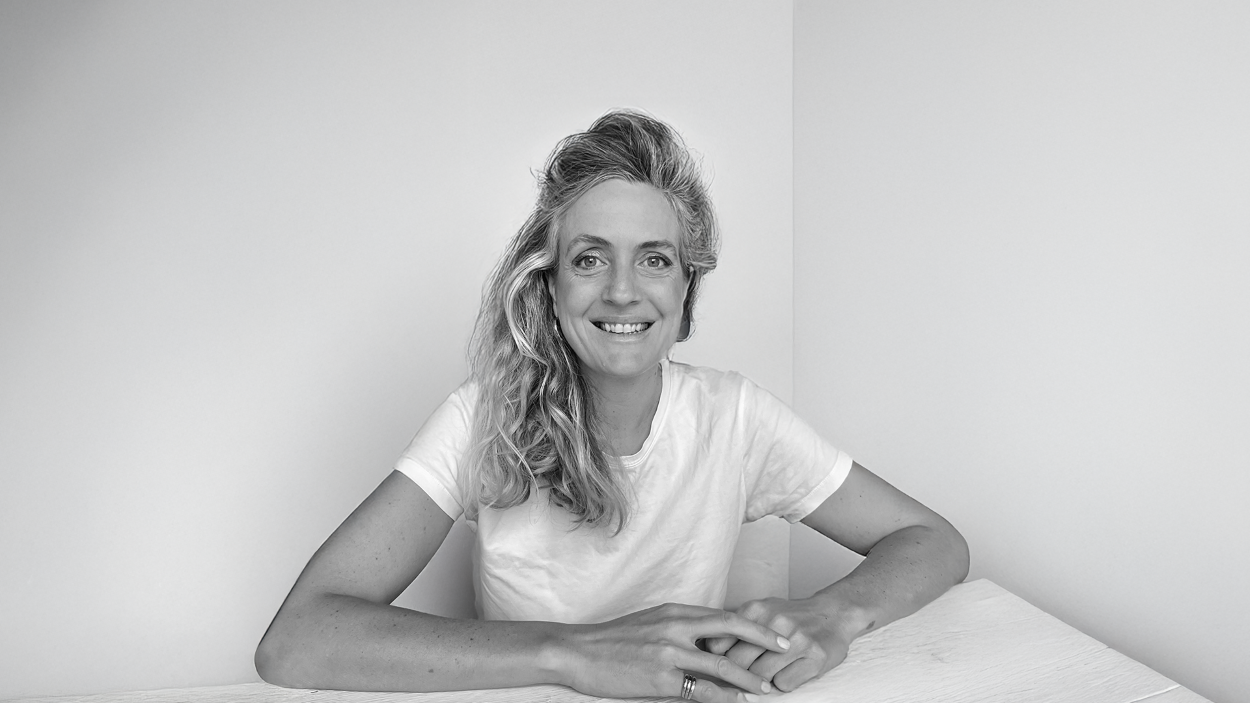
In Berlin, Civocracy helps local authorities, NGOs and mission-driven companies involve citizens. In ten years, it has worked with about 200 governments and launched around 300 public consultations.
Its founder, Chloé Pahud, starts from one question: how do you turn an ordinary citizen into an engaged one? For her, people need to take part concretely to feel involved. They also need good stories to understand a complex world.
Elsewhere on impact.info
Fundación Por Causa (Spain). Lucila Rodríguez-Alarcón explains why it matters to bring other narratives into public debate.
Why Bringing Other Narratives to the Public Debate Can Have a Positive Impact?Latitudes (France). Augustin Courtier presents workshops to understand the impact of digital technology on society, democracy and the environment.
Why Question the Social and Environmental Impacts of Digital Technology?
What they have in common
The six beliefs share one point: they talk about technology as if it acted on its own. The 12 initiatives in this dossier show something else.
They combine the tool with a human presence: a volunteer, a trainer, a coach, a youth worker.
They design their solutions with the people concerned: residents, social workers, patients, voters.
They rely on transparency: a vote that everyone can check, recruitment where only skills count, information that is up to date and shared.
These initiatives were born in France, Spain, Germany, the United Kingdom and Denmark. They respond to problems shared across Europe. Many more can be discovered on impact.info.
Technology is neither good nor bad. It becomes inclusive when it is designed to be.